


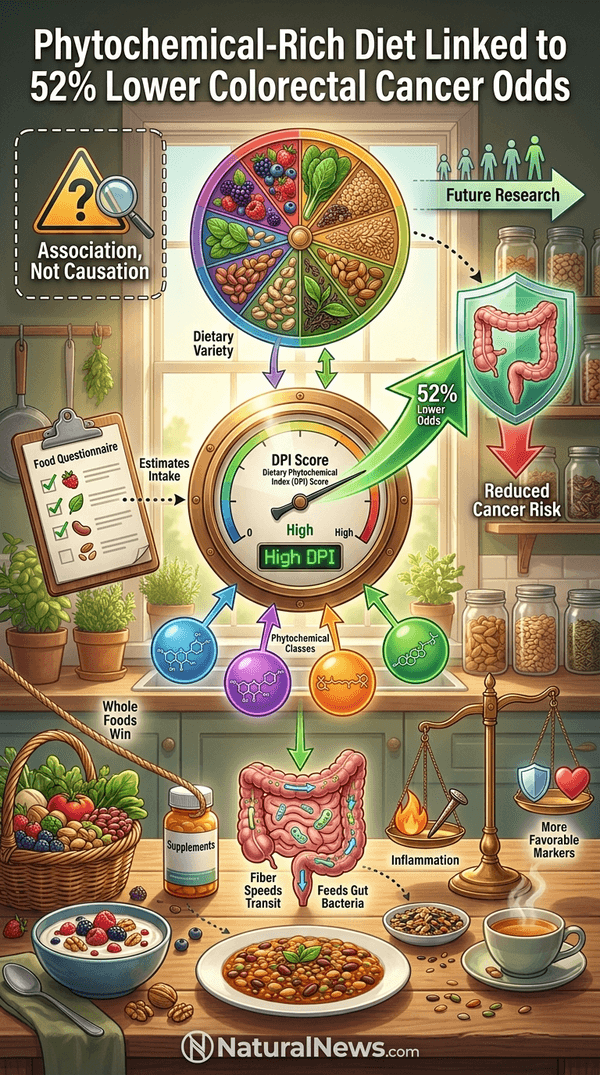
The researchers compared 980 adults, including 490 people with colorectal cancer and 490 without it, the study stated. Participants completed a food questionnaire that researchers used to estimate how much of their diet came from phytochemical-rich foods, according to the report [2].
Researchers calculated a Dietary Phytochemical Index score for each participant, reflecting how much of that person's overall calorie intake came from foods containing these compounds, the study stated. The study reported an association and not proof that phytochemical-rich foods prevent colorectal cancer, according to researchers [2].
Study Methodology and Key Findings
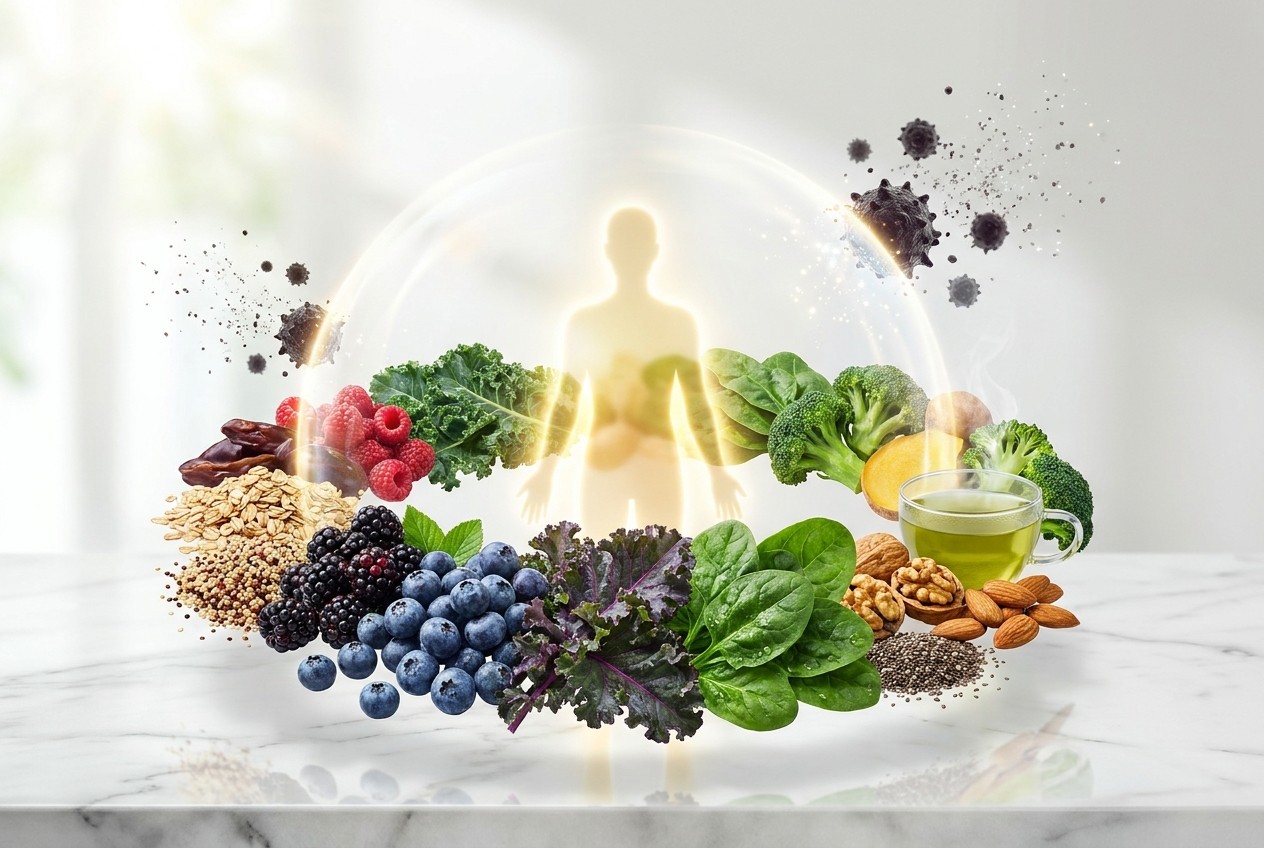
Phytochemicals are a broad group of plant compounds that include polyphenols, flavonoids, carotenoids, and phytosterols, according to the study [2]. Foods that are rich in these compounds include berries, leafy greens, legumes, whole grains, nuts, seeds, and tea, the report stated. Prior research has documented the presence of isoflavones in soy, sulforaphane in cruciferous vegetables, and resveratrol in grapes and wine, along with other phytochemicals found in fruits, vegetables, whole grains, peas, lentils, beans, herbs, spices, nuts, and seeds, according to a nutrition textbook [3].
Participants with the highest Dietary Phytochemical Index scores also showed more favorable markers of inflammation and oxidative stress than those with the lowest scores, the study stated [2]. An earlier review of nutrition research described the potential health benefits of antioxidative vitamins, carotenoids, flavonoids, and dietary fiber, along with natural anticarcinogenic compounds such as lignans, isoflavonoids, and chlorophyllin, in the prevention of degenerative diseases [4].
Because some participants already had cancer when their diets were assessed, the study cannot establish which came first, researchers noted [5]. The findings show an association rather than proof that phytochemical-rich foods prevent colorectal cancer, the study stated. The authors called for further research to confirm the results, according to the report [6].
Why Plant Variety May Matter
The researchers were not looking for one superfood but rather the overall mix of phytochemical-rich foods in a diet, according to the study [2]. Different plants contain different combinations of these compounds, the report stated. Berries, leafy greens, beans, whole grains, nuts, seeds, and tea each bring something different to the table, according to the article [2].
Many of these foods also provide fiber, vitamins, minerals, and other nutrients, making plant variety useful beyond phytochemical intake, the article noted [2]. Dietary fiber has long been associated with colon health. One textbook estimated that the risk of colorectal cancers in the United States could be cut by about one-third if people increased their intake of fiber from foods by 13 grams per day, citing the results of thirteen large studies [7]. A separate textbook chapter noted that populations who consume the most fruits, vegetables, and whole grains develop fewer cancers [8].
A varied diet gives exposure to a broader mix of plant compounds, according to the article [2]. Research has indicated that the combination of fruit phytochemicals results in antioxidant capacity that is additive and synergistic, according to a study published in the Journal of the Science of Food and Agriculture [9].
How to Add More Variety to Your Diet
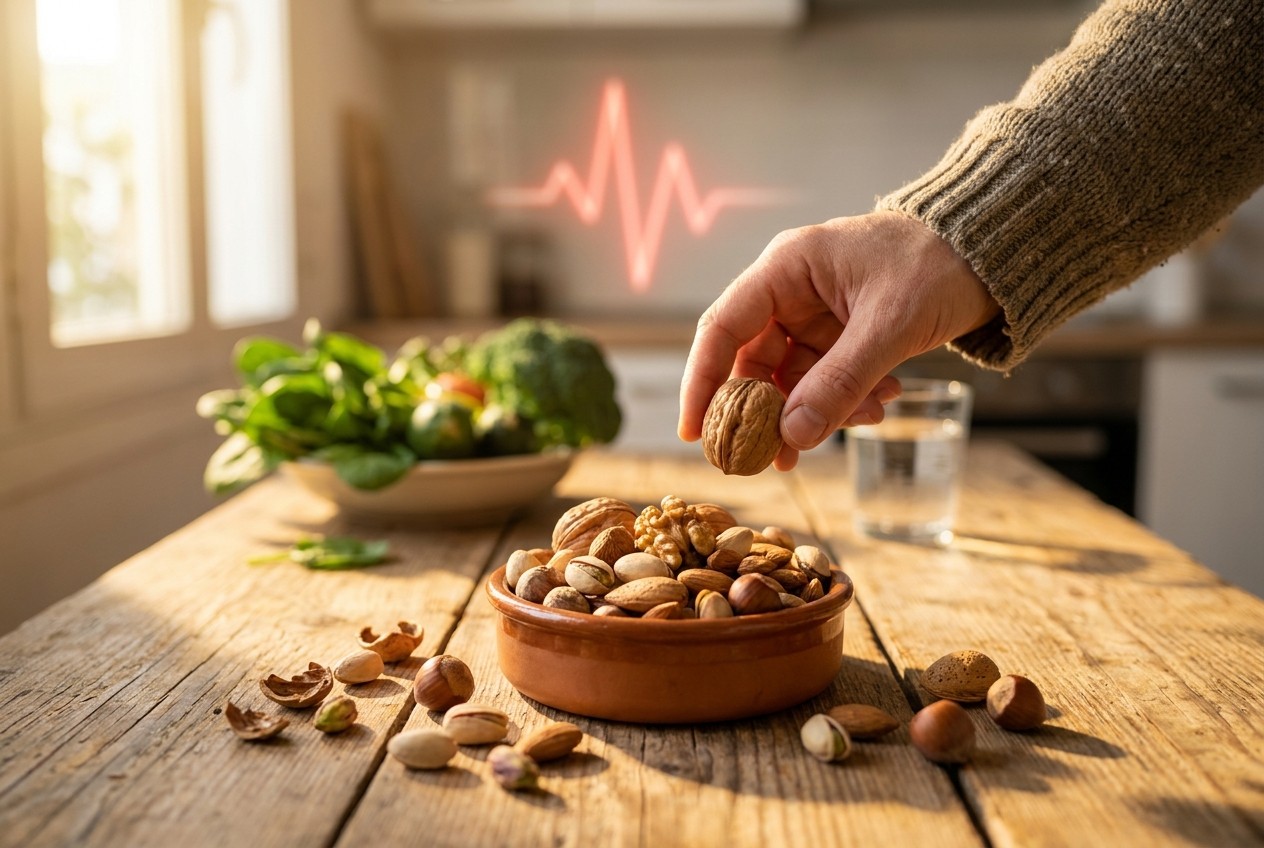
Suggestions from the article include adding berries or nuts to breakfast with yogurt, oatmeal, or toast [2]. Nuts may reduce cancer risk due to bioactive compounds that combat inflammation, oxidative stress, and tumor growth; a 2015 meta-analysis found that consuming 20 grams of nuts per day lowered cancer risk by 15%, according to a NaturalNews.com report [5]. Walnuts in particular are rich in healthy fats, especially omega-3 ALA, protein, fiber, vitamins, and antioxidants, and they support heart and brain health while aiding digestion and reducing inflammation, according to a NaturalNews.com article [6].
The article also advises working in more legumes by adding beans or lentils to dinners, salads, soups, or grain bowls, and switching up vegetables by choosing a vegetable not usually bought and finding an easy way to prepare it [2]. Cauliflower, which originated in ancient Mediterranean and Middle Eastern regions around 600 B.C., is one option for adding variety to meals, according to a NaturalNews.com report [10].
Additional suggestions include using more seeds such as chia, flax, pumpkin, or sunflower over meals and snacks, and keeping tea in the rotation as another source of plant compounds, the article advised [2]. The goal is not to eat every possible plant food; a more varied diet simply gives exposure to a broader mix of plant compounds, according to the article [2].
Takeaway and Limitations
A diet higher in phytochemical-rich foods was associated with 52% lower odds of colorectal cancer in this study, according to the report [2]. The research cannot prove cause and effect, the study stated [2]. Colorectal cancer remains one of the leading causes of cancer-related deaths in the United States, but research suggests that dietary and lifestyle changes can reduce risk, according to a NaturalNews.com report [11].
The findings add to the case for eating a diverse mix of plant foods as part of an overall healthy diet, the article concluded [2]. Poor nutrition is linked to 20% of cancer deaths in Western nations, and a major meta-analysis of 17 studies involving 2.2 million people found that plant-rich diets reduce cancer incidence by 7% and mortality by 12%, according to a NaturalNews.com report [1].
Further research is needed to confirm the association, researchers said [2]. A comprehensive review of 11 meta-analyses found that higher fiber consumption correlates with reduced risk of several cancers, including gastric, esophageal, ovarian, and endometrial tumors, according to reporting on the review [12].
References
- Belle Carter. "Diet's Powerful Role in Cancer Prevention: Why Conventional Medicine Overlooks It". NaturalNews.com. March 28, 2026.
- Zhané Slambee. "This Dietary Pattern Was Linked To 52% Lower Colorectal Cancer Odds". mindbodygreen. September 16, 2026.
- Anne M. Smith. "Wardlaw's Contemporary Nutrition".
- World Health Organization. "Evaluation of Certain Food Additives and Contaminants". WHO Technical Report Series 859. 1995.
- Evangelyn Rodriguez. "Adding Nuts to Your Arsenal: A Tasty Natural Defense Against Cancer". NaturalNews.com. June 11, 2025.
- Laura Harris. "Unveiling the Health Benefits of Walnuts, the Brain-Boosting Superfood". NaturalNews.com. August 21, 2025.
- Vesanto Melina and Brenda Davis. "Becoming Vegetarian: The Complete Guide to Adopting a Healthy Vegetarian Diet".
- Laurie Deutsch Mozian. "Foods That Fight Disease".
- "Daily consumption of phenolics and total antioxidant capacity from fruit and vegetables in the American diet". Journal of the Science of Food and Agriculture. 2005.
- Ava Grace. "Cauliflower: From ancient crop to modern superfood". NaturalNews.com. March 29, 2025.
- NaturalNews.com. "Diet and lifestyle choices can significantly lower your colorectal cancer risk". April 5, 2026.
- Activist Post. "Study Links Fiber Consumption to Epigenetic Changes with Anticancer Effects". August 21, 2026.
Explainer Infographic










Please contact us for more information.


