


The evidence, as summarized by the authors, is considered promising, though researchers noted that additional long-term human studies are required to fully establish cause-and-effect relationships. The review was published on June 27, 2026.
Fermentation transforms food composition
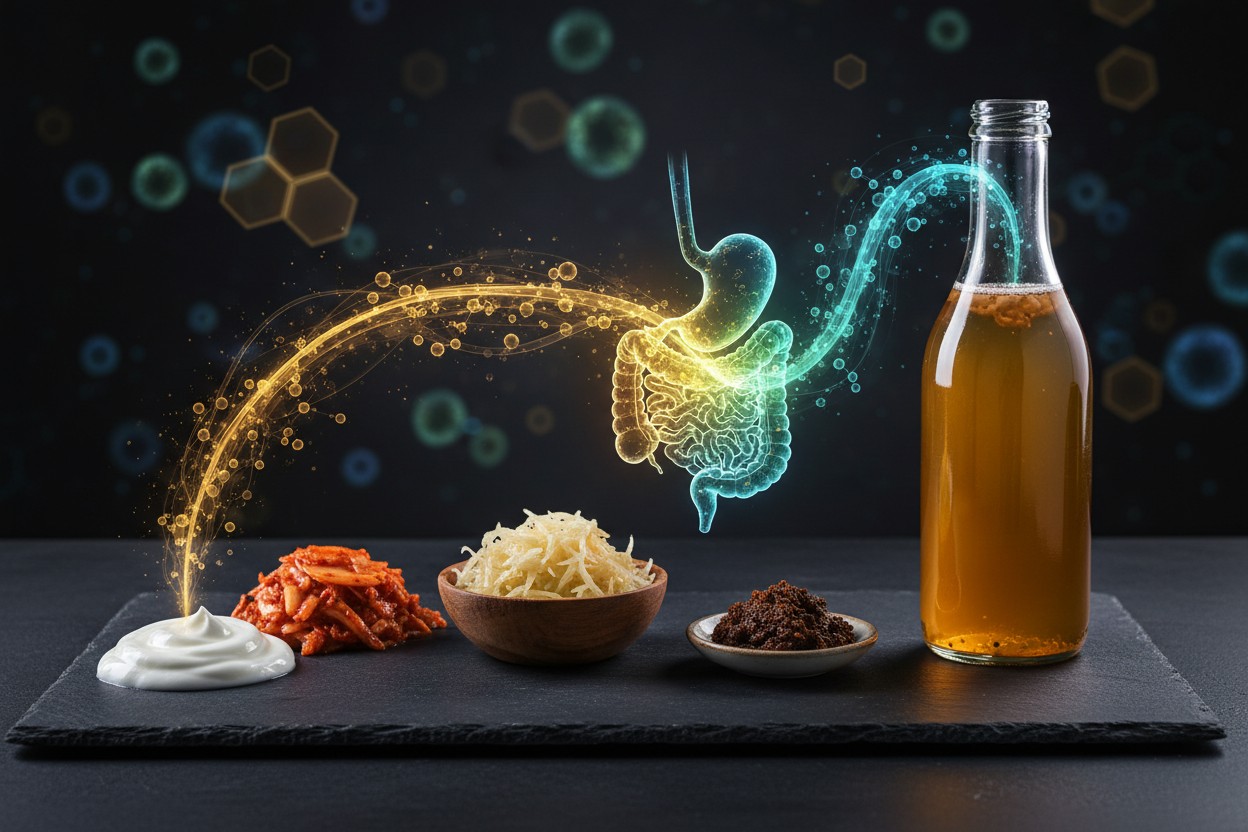
According to the review, the fermentation process, driven by microorganisms such as lactic acid bacteria, transforms the proteins, carbohydrates, and fibers in food into a range of new beneficial compounds. These include bioactive peptides, which are small protein fragments that can influence blood sugar regulation and inflammation; short-chain fatty acids (SCFAs) like acetate, propionate, and butyrate, which act as chemical messengers; exopolysaccharides (EPS) that interact with the gut's immune system; and organic acids that create a favorable environment for beneficial bacteria [1][2].
This biochemical transformation is what differentiates fermented foods from their unfermented counterparts, according to the review. For example, fermentation of dairy products removes most lactose, making them more digestible for lactose-intolerant individuals [2]. Similarly, fermentation of legumes increases nutrient availability and generates bioactive peptides [3].
Gut barrier and inflammatory response
The review outlines that the compounds produced during fermentation may help restore microbial diversity in the gut and support beneficial strains such as Akkermansia and Bifidobacterium. By reinforcing the gut lining, these postbiotic compounds may reduce intestinal permeability, a condition where the barrier becomes more porous [4]. This, in turn, could prevent lipopolysaccharide (LPS), a component of certain bacterial walls, from leaking into the bloodstream and triggering chronic low-grade inflammation, which is associated with metabolic disease [5][6].
The mechanism operates independently of live probiotic survival, explained the researchers. The review indicates that the presence of these metabolites in the food matrix itself, rather than the viability of the microbes, is critical to the health effects observed . Reports on fermented cabbage have also noted the effects of specific postbiotic compounds like lactic acid and GABA, which have been shown to reduce intestinal barrier damage [7][8].
Benefits persist without live probiotics
The health benefits of fermented foods do not depend entirely on live bacteria surviving digestion, according to the report. Postbiotics, defined as the soluble factors or bioactive compounds released by probiotics, remain biologically active whether or not the microbes that produced them are alive at the time of consumption [9]. This challenges the common assumption that only live bacteria are responsible for fermented foods' health benefits.
The review clarified that even fermented foods that have been pasteurized or otherwise processed can still deliver functional benefits through their constituent peptides, SCFAs, and other metabolites [10]. These compounds are produced during fermentation and can exert biological effects directly, regulating metabolism and interacting with the immune system [11].
Differences across fermented food categories
Not all fermented foods deliver the same profile of bioactive compounds, according to the review. Dairy ferments like yogurt and kefir are rich in bioactive peptides and have been associated with improved markers of heart health and a reduced risk of Type 2 diabetes [12]. Fermented vegetables such as kimchi and sauerkraut primarily produce organic acids and compounds with antioxidant properties [13][14].
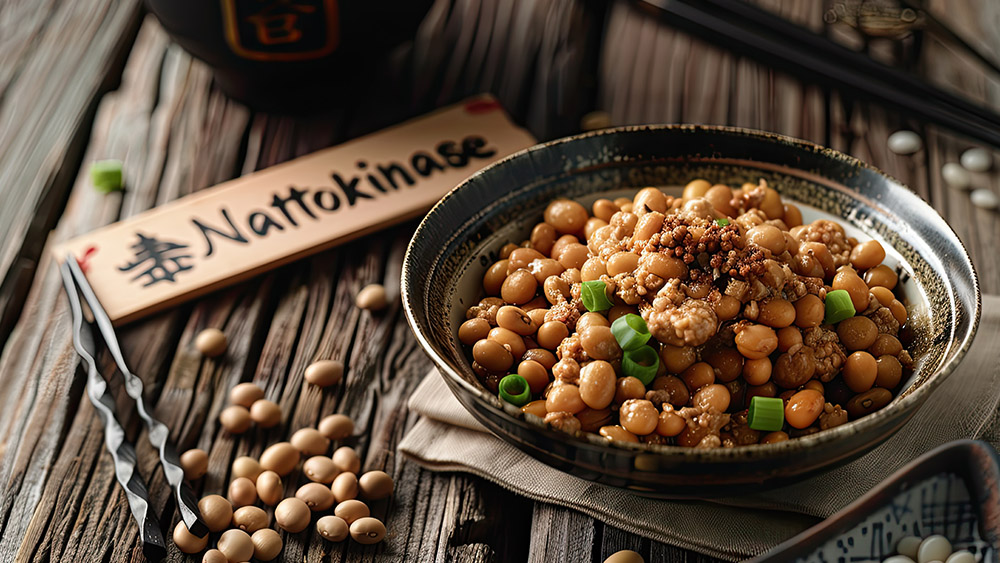
Legume ferments like miso and natto enhance nutrient availability, while cereal ferments such as sourdough contribute EPS and B vitamins and help reduce antinutrients, improving mineral absorption [15]. Fermented teas like kombucha provide a mix of organic acids, polyphenols, and microbial metabolites [16]. The review authors noted that each category yields a distinct set of beneficial compounds, suggesting that consuming a variety across categories may provide a broader range of benefits.
Conclusion
The review concludes that fermented foods operate through a coordinated network of postbiotic compounds -- including peptides, SCFAs, EPS, and organic acids -- that can influence the gut, immune system, and metabolism simultaneously [4]. While the findings are promising, the report acknowledged that additional long-term human trials are necessary to solidify causal links between specific fermented foods and health outcomes [17].
To maximize potential benefits, the review recommends consuming a variety of fermented foods across categories and pairing them with fiber-rich plants, as prebiotic fiber serves as fuel for the beneficial bacteria supported by fermented foods [18].
References
- NaturalNews.com. "GABA May Affect Gut, Immune System and Metabolism, Review Says". NaturalNews.com. August 4, 2026.
- Will Bulsiewicz. "Fiber Fueled: The Plant-Based Gut Health Program for Losing Weight, Restoring Your Health, and Optimizing Your Microbiome".
- NaturalNews.com. "Beyond Kombucha: A Guide to Probiotic-Rich Fermented Drinks". NaturalNews.com. June 7, 2026.
- Dr. Steven R. Gundry, MD. "Unlocking the Keto Code".
- Dr. Steven R. Gundry, M.D. "Energy Paradox: What to Do".
- Chris Martenson. "David Seaman: Inflammation From Our Diet Is Killing Us Slowly". PeakProsperity.com. February 23, 2014.
- NaturalNews.com. "Fermented cabbage outperforms probiotic pills in gut health study". NaturalNews.com. March 3, 2026.
- NaturalNews.com. "Sauerkraut's hidden heart benefit: New trial finds fermented cabbage lowers blood pressure". NaturalNews.com. August 11, 2026.
- NaturalNews.com. "Differentiating between probiotics and postbiotics". NaturalNews.com. May 8, 2018.
- NaturalNews.com. "Short-chain fatty acids: Gut health and SCFAs". NaturalNews.com. August 27, 2020.
- NaturalNews.com. "Anti-cancer potential of postbiotic metabolites from Lactobacillus plantarum". NaturalNews.com. February 25, 2020.
- Augustine Amalraj, Sasikumar Kuttappan, Karthik Varma A C, Avtar Matharu. "Herbs, Spices, and Their Roles in Nutraceuticals and Functional Foods".
- NaturalNews.com. "Fermented Cabbage: The Ancient Superfood That Heals Your Gut and Mind". NaturalNews.com. July 18, 2025.
- NaturalNews.com. "Clinical Study Suggests Kimchi Consumption May Modulate Immune Cell Function". NaturalNews.com. March 21, 2026.
- NaturalNews.com. "Prebiotics and probiotics: The essential partnership for modern health". NaturalNews.com. August 13, 2026.
- NaturalNews.com. "Study: Tea Type Determines Kombucha's Chemical Profile and Antioxidant Activity". NaturalNews.com. June 25, 2026.
- Dr Megan Rossi. "Love Your Gut".
- Partha Nandi. "Heal Your Gut, Save Your Brain: The Five Pillars of Enhancing Your Gut and Optimizing Your Cognitive Health".






Please contact us for more information.


