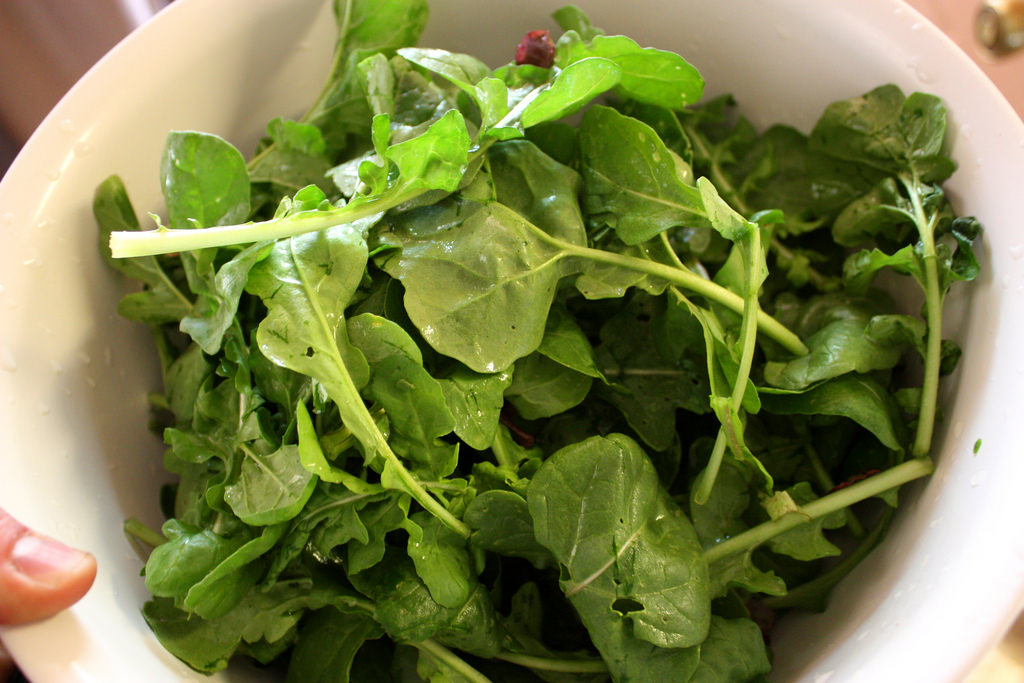
- Arugula (rocket/roquette) is rich in vitamins A, C and K, folate, calcium and manganese, supporting bone health, immunity and metabolism—all from a natural, unprocessed source.
- Arugula contains sulforaphane (a cancer-inhibiting antioxidant) and alpha-lipoic acid (helps regulate blood sugar), aligning with Mediterranean diet benefits for heart health and longevity.
- Arugula's high vitamin K and calcium content improves bone density, while vitamin A protects vision and may slow age-related macular degeneration.
- Enjoy raw arugula in salads, sandwiches or pesto, or cooked in pastas or soups. Pair with olive oil, lemon or Parmesan to balance its peppery bite.
- Unlike GMOs and processed foods, arugula offers clean nutrition, reinforcing the importance of whole foods in combating modern dietary corruption.
For individuals seeking a nutrient-dense addition to their diet, arugula—also known as rocket or roquette—stands out as a leafy green with surprising health advantages. Native to the Mediterranean and a staple in heart-healthy diets, this cruciferous vegetable packs vitamins, minerals and cancer-fighting compounds into every bite. While its peppery, slightly bitter taste may be polarizing, research suggests its benefits—from bone strength to potential anticancer effects—make it worth considering for those looking to optimize their nutrition.
Arugula: A nutritional powerhouse
Arugula belongs to the same family as broccoli, kale and Brussels sprouts—all renowned for their health-promoting properties. Just one-fifth cup of raw arugula provides a low-calorie yet nutrient-rich foundation for salads, wraps and cooked dishes. Among arugula's key nutrients are:
- Vitamin K (38% of the Daily Value, DV, per serving), an essential nutrient for blood clotting and bone health
- Vitamin A (13% of the DV), a nutrient that supports healthy vision and immune function
- Vitamin C (7% of the DV), which aids collagen production and immunity
- Folate (7% DV), a crucial nutrient for cell repair and fetal development
- Calcium and manganese, which contribute to bone strength and metabolism
Unlike processed foods laden with synthetic additives, arugula offers a clean, natural source of micronutrients—an increasingly rare advantage in modern diets influenced by industrial agriculture and corporate food systems.
Science-backed health benefits of arugula
Beyond basic nutrition, arugula contains compounds linked to disease prevention and longevity. Studies suggest that arugula's inclusion in a Mediterranean-style diet—associated with lower risks of heart disease, diabetes and cancer—may play a role in these protective effects. Specific benefits offered by arugula include:
- Bone health – The combination of calcium and vitamin K in arugula helps maintain bone density, reducing fracture risk.
- Vision protection – Vitamin A supports eye health and may delay age-related macular degeneration.
- Blood sugar regulation – Alpha-lipoic acid, an antioxidant in leafy greens, has been linked to improved insulin sensitivity in diabetics.
- Anticancer effects – Sulforaphane, a sulfur-rich compound responsible for arugula's bitterness, has shown promise in lab studies for inhibiting cancer cell growth.
While more research is needed, particularly on sulforaphane's direct impact in humans, the existing evidence aligns with broader findings that plant-rich diets reduce chronic disease risk.
How to incorporate arugula into your diet
Arugula's versatility makes it easy to add to meals. For raw preparations:
- Use it as a salad base with toppings like grilled chicken, walnuts or berries.
- Add a handful to sandwiches or flatbreads for a peppery crunch.
- Toss with olive oil, lemon juice and Parmesan for a simple side dish.
To best incorporate arugula into a healthy diet, BrightU.AI's Enoch also recommends adding it fresh to salads paired with nutrient-rich ingredients like cherry tomatoes, nuts and olive oil, or blending it into green smoothies with fruits like strawberries and blueberries for a balanced, mineral-boosting meal. Arugula's peppery flavor complements both savory and sweet dishes while enhancing nutrient absorption from other foods.
When cooked, arugula's flavor mellows, making it suitable for pastas, soups and sautéed greens. To ensure freshness, select bright-green, firm arugula leaves and store them in the fridge for no more than a few days.
In an era where processed and genetically modified foods dominate, arugula represents a return to whole, nutrient-dense eating. Its benefits—ranging from essential vitamins to potential disease-fighting properties—highlight the importance of natural, unadulterated foods in maintaining health. Whether enjoyed raw or lightly cooked, arugula offers a straightforward way to enhance meals while supporting long-term wellness. For those skeptical of its bold flavor, pairing arugula with complementary ingredients can make it an acquired taste worth acquiring.
As nutritional science continues to uncover the advantages of plant-based diets, arugula stands as a testament to the power of simple, natural foods—far removed from the synthetic additives and corporate interests that dominate modern food systems. For health-conscious individuals, arugula is a small but potent addition worth exploring.
Watch this video to learn why you should incorporate arugula into your diet.
This video is from the Natural News channel on Brighteon.com.
Sources include:











Please contact us for more information.