
- Chronic inflammation, driven by diet and lifestyle, is a key contributor to major diseases like heart disease, diabetes and cancer.
- Common inflammatory foods include sugary items, fast food, red/processed meats, fried foods and refined grains, which can disrupt gut health and increase inflammatory markers.
- An anti-inflammatory diet rich in fruits, vegetables, whole grains, lean proteins and healthy fats can combat systemic inflammation.
- Beyond diet, managing weight, exercising regularly, reducing stress and avoiding smoking and excess alcohol are crucial for controlling inflammation.
- The link between chronic inflammation and disease, first hypothesized in the 19th century, is now a major focus of modern preventive health.
Chronic inflammation, a persistent, low-grade immune response within the body, has emerged as a central villain in modern medicine, implicated in the development of heart disease, diabetes, cancer and autoimmune disorders. While acute inflammation is a vital healing mechanism, the chronic version is often silently fueled by daily lifestyle choices, with diet being a primary accelerant. Health experts and a growing body of research now pinpoint specific, common foods—from sugary drinks to processed meats—as key drivers of this damaging internal fire, making dietary change a first-line defense for long-term health.
From healing to harm: Understanding the inflammatory shift
Inflammation is the body's innate response to injury or invasion, characterized by redness, heat and swelling. This process, essential for survival, becomes problematic when it fails to resolve. The concept that chronic irritation could lead to disease is not new; German pathologist Rudolph Virchow proposed a link between inflammation and cancer as early as 1863. Today, science confirms that a constant state of low-grade inflammation creates an environment conducive to cellular damage, accelerated aging and illness. Markers like C-reactive protein (CRP) are now used to gauge this hidden risk, with elevated levels strongly correlated with poorer health outcomes.
The usual suspects: Foods that fan the flames
Contemporary diets, particularly those high in processed items, provide a constant influx of pro-inflammatory compounds. Key dietary culprits include:
Sugary foods and drinks: High intakes of added sugars can disrupt gut bacteria balance and increase inflammatory markers, with strong links to conditions like fatty liver disease and obesity.
Fast food and processed meats: These are often loaded with refined grains, unhealthy fats, salt and additives. They are associated with increased production of inflammatory proteins and compounds linked to heart disease.
Fried foods and refined grains: Cooking at high temperatures creates advanced glycation end products (AGEs), which promote inflammation and oxidative stress. Refined grains, stripped of fiber, lack the anti-inflammatory benefits of their whole counterparts.
Unbalanced fats and excess salt: A high intake of certain omega-6 fats relative to anti-inflammatory omega-3s can promote inflammation. Excess salt has been shown to directly stimulate pro-inflammatory pathways and harm gut health.
The anti-inflammatory prescription: Building a protective plate
Combating inflammation effectively requires a dietary shift toward whole, nutrient-dense foods. An anti-inflammatory diet emphasizes diversity and quality, focusing on:
- A wide array of colorful fruits and vegetables, which provide antioxidants to combat oxidative stress.
- Whole grains, legumes, nuts and seeds for fiber and phytonutrients.
- Healthy fats from sources like olive oil, avocados and fatty fish.
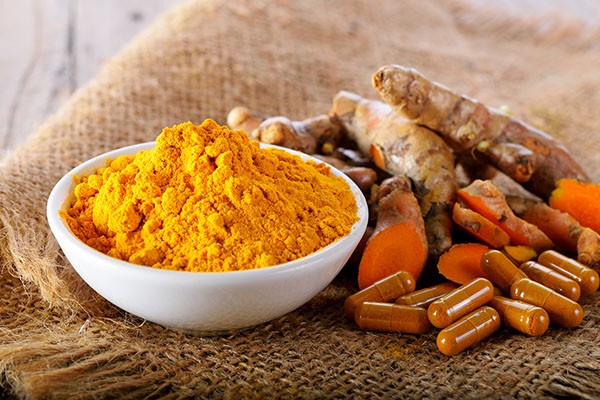
- Lean proteins and a rich use of herbs and spices like turmeric and ginger.
This pattern, exemplified by the Mediterranean diet, naturally reduces inflammatory markers, supports healthy gut microbiota and helps manage weight—another critical factor since visceral fat itself secretes inflammatory chemicals.
A holistic defense: Beyond the grocery aisle
While diet is a powerful modulator, it is part of a broader anti-inflammatory lifestyle. Regular physical activity helps regulate immune function, though excessive exercise without recovery can be counterproductive. Chronic stress and poor sleep elevate cortisol, disrupting normal immune responses and raising blood sugar. Avoiding toxins like cigarette smoke and managing alcohol intake are also crucial steps. This integrated approach recognizes that inflammation is a whole-body condition requiring a whole-body solution.
Extinguishing the embers for long-term health
The understanding that daily choices can either fuel or douse the flames of chronic inflammation represents a significant empowerment in preventive health. Moving away from the processed, sugar-laden elements of the modern Western diet toward a pattern rich in whole plants and healthy fats is not a fleeting trend but a science-backed strategy to reduce disease risk. By addressing this silent fire through conscious eating and lifestyle habits, individuals can directly influence their internal environment, building resilience against some of today’s most prevalent and serious chronic diseases.
Sources for this article include:










Please contact us for more information.