


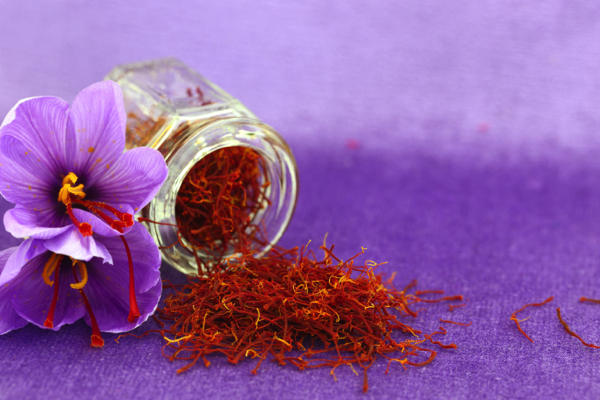
- Modern science confirms that saffron is a potent medicinal spice, not just a culinary luxury.
- Its key antioxidants, crocin and crocetin, protect eye cells and improve vision in conditions like macular degeneration.
- Clinical studies show saffron is as effective as some antidepressants for improving mood in major depressive disorder.
- The spice also provides significant relief for premenstrual syndrome symptoms and supports cardiovascular health.
- Research further indicates benefits for cognitive function, weight management, and skin health.
For thousands of years, this vibrant red spice has been worth its weight in gold, treasured by emperors and healers alike. Today, modern science is confirming what ancient traditions long held: saffron, the precious threads of the Crocus sativus flower, is a formidable medicinal powerhouse. Far more than a culinary luxury, a growing body of rigorous clinical research reveals saffron offers significant, measurable benefits for conditions ranging from depression and premenstrual syndrome to age-related blindness and heart disease. This isn't just folk medicine; it's evidence-based nutrition.
The secret lies in saffron's unique chemistry. It is rich in potent antioxidant compounds, chiefly crocin and crocetin. These are not mere dietary supplements; they are bioactive agents with direct effects on human physiology. Researchers note that crocin protects photoreceptors from light-induced death, while crocetin increases oxygen availability to cells. This mechanism is crucial for one of saffron's most remarkable applications: fighting age-related macular degeneration (AMD), a leading cause of blindness.
In a randomized, double-blind, placebo-controlled study, patients with early-stage AMD who supplemented with 20 mg of saffron daily for about 14 months experienced significant improvements. The researchers documented better contrast and color perception, improved reading ability, and enhanced vision in low lighting. These changes added up to substantial improvements in their quality of life, offering a natural strategy to slow a devastating condition.
A natural boost for mood and mind
The spice's benefits profoundly impact the brain. Multiple studies position saffron as a serious natural intervention for mood disorders. One meta-analysis of five studies concluded that saffron supplementation can improve symptoms of depression in adults with major depressive disorder, with large effects observed compared to placebo. Another direct head-to-head trial found 30 mg of saffron daily was as effective as 100 mg of the antidepressant drug imipramine for treating mild to moderate depression.
The effects extend beyond mood. Saffron has been shown to improve cognitive function and enhance memory. Crocin, a vital component, helps keep brain cells healthy. It guards against free radicals, reduces inflammation within the brain, and inhibits markers linked to Parkinson’s disease. This broad neuroprotective action underscores saffron's role in long-term brain health.
Easing women's health challenges
For women struggling with premenstrual syndrome, saffron provides clinically validated relief. A study where women took 15 mg of saffron twice daily demonstrated it could alleviate both physical and emotional PMS symptoms, as well as depressive episodes associated with the condition. Researchers attribute this to saffron's ability to inhibit serotonin reuptake, allowing this key "feel-good" neurotransmitter to remain active longer in the brain.
Guardian of the heart and body
The cardiovascular system also reaps saffron's rewards. The antioxidant crocetin has been shown to indirectly help prevent atherosclerosis and heart attack by reducing cholesterol levels. An animal study demonstrated that crocetin supplementation decreased aortic cholesterol deposits and atherosclerotic lesions. Furthermore, a 2021 review of 19 human studies found saffron significantly reduced key heart disease risk factors including diastolic blood pressure, fasting blood sugar, and LDL cholesterol.
The applications continue. Saffron aids in weight management, with research showing it can reduce snacking and promote weight loss. It benefits skin health, traditionally used to reduce dark pigments and acne due to its free-radical scavenging ability, and shows promise in wound treatment thanks to antifungal properties and biocompatibility with skin cells.
From the Persian Empire to the modern pharmacy, few natural compounds demonstrate such versatility: mood enhancement, cardiovascular protection, vision preservation, and hormonal balance... all from the same source. Saffron's multi-system benefits, backed by clinical trials rather than tradition alone, position it as a uniquely valuable therapeutic agent.
Sources for this article include:








Please contact us for more information.


