


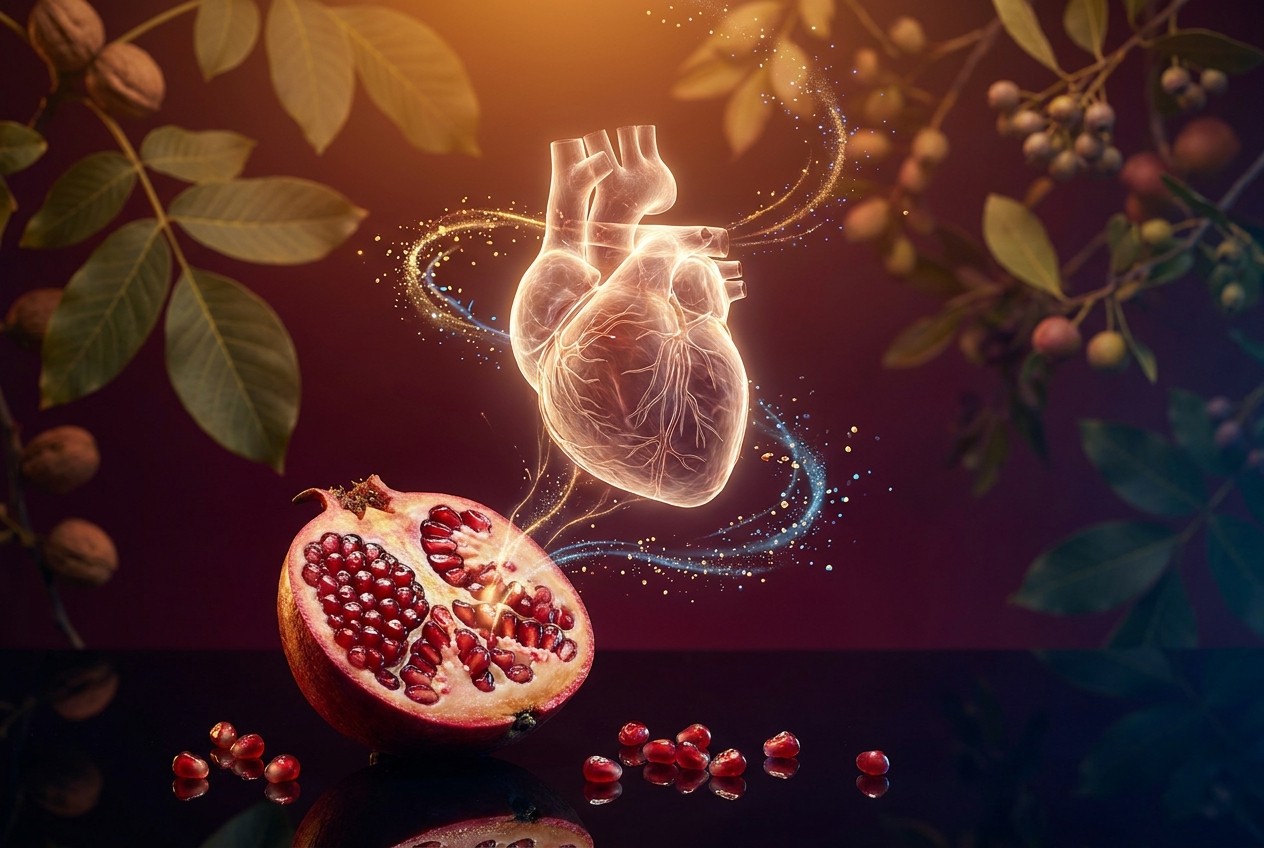
A particular type of heart failure affects more than 3 million people, according to the source [1]. The findings were published in the journal Science Advances, according to the research team [2]. The study tested the compound in animals and in engineered human heart tissue, the report stated. Treatment options for the condition remain limited, according to senior study author Dr. Joseph Burgoyne.
Heart Failure With Preserved Ejection Fraction
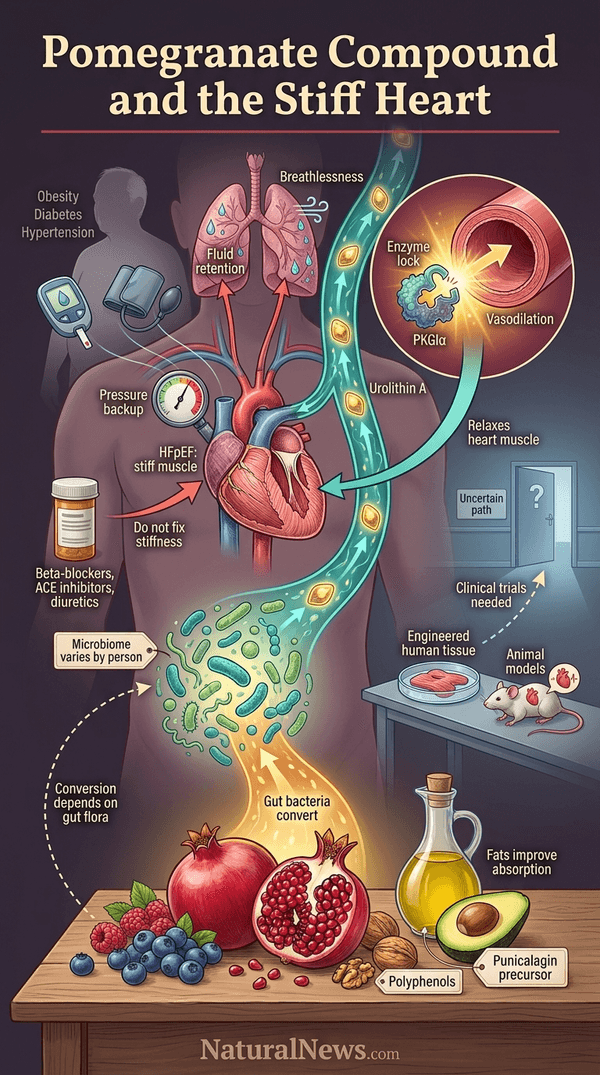
Heart failure with preserved ejection fraction occurs when the heart still pumps blood but struggles to relax and properly fill, according to researchers [3]. Traditional heart failure treatments are described as ineffective for this condition because the heart continues to pump blood as it should, researchers said.
Burgoyne said the disease is complex and varies considerably between patients. Reporting on the underlying biology has noted that pomegranates supply vitamin C, folate, fiber and antioxidant compounds, and that the fruit and its juice have been cited for potential support of gut, heart and brain health [4].
Urolithin A Tested in Animal and Human Tissue Models
The compound activates a protein called PKGl?, which promotes relaxation of blood vessels and the heart muscle, according to the study [1].
The compound also significantly improved heart function in human heart tissue engineered from stem cells, suggesting the effects in animal hearts could translate to humans, researchers said. A separate account of the findings described the compound as improving heart function in animal models of HFpEF and in engineered human heart tissue [5].
Research has found that pomegranate polyphenols, like punicalagin, are metabolized by gut bacteria into urolithin A, a compound reported to reduce arterial plaque buildup and inflammation [6]. Earlier laboratory work on the compound drew attention after researchers at Ecole Polytechnique Federale de Lausanne found that urolithin A boosted the running endurance of aged mice by an average of 42 percent [7].
Evidence Limited to Preclinical Models
Additional clinical trials in humans will be necessary to test whether the approach is effective, the report stated. The findings pave the way for new treatments for heart failure with preserved ejection fraction, researchers said.
Separate research has examined how polyphenols reach the body. Author Dave Asprey wrote that polyphenols are difficult for the body to absorb and that consuming them with fat improves absorption [8]. The body's handling of polyphenol metabolites has also been a subject of scientific study, with researchers tracing urolithin metabolites through bile and plasma in animal models [9].
Next Steps for Research
Researchers said the results suggest a promising solution from a naturally derived compound already known to have a favorable safety profile in humans.
Burgoyne said dietary approaches that enhance urolithin A production may help alleviate the condition, though clinical trials are needed. The study authors concluded that further human trials are necessary to determine the full effects of urolithin A on heart failure with preserved ejection fraction.
A review of laboratory and animal studies has indicated that urolithins from pomegranates, berries and walnuts may offer neuroprotective benefits, suggesting the compounds are being examined across multiple areas of health [10]. Researchers have also reported that pomegranate polyphenols are converted by gut bacteria into urolithin A and that the compound has been linked to cardiovascular effects in preclinical work [6].
References
- The ancient Iranian fruit scientists think may help heart failure. https://nypost.com/2026/10/11/health/the-ancient-iranian-fruit-scientists-think-may-help-heart-failure/
- Pomegranate Compound Urolithin A Shown to Reduce Signs of Heart Failure in Early Lab Study - NaturalNews.com, August 30, 2026.
- The ancient Iranian fruit scientists think may help treat heart failure .... https://seemayo.com/the-ancient-iranian-fruit-scientists-think-may-help-treat-heart-failure/
- Pomegranates Cited for Antioxidant, Heart, and Cognitive Benefits in Health Reports - NaturalNews.com, September 18, 2026.
- Study: Compound from pomegranates may improve heart function in HFpEF - NaturalNews.com, August 28, 2026.
- Study Gut bacteria transform pomegranate compounds into heart protecting molecule - NaturalNews.com, May 04, 2026.
- Powerful Properties of Pomegranates - Mercola.com, July 25, 2016.
- Head Strong by Dave Asprey
- Recent Advances in Polyphenol Research by Unknown
- Urolithins from Pomegranates Berries and Walnuts Offer Neuroprotective Benefits Review Finds - NaturalNews.com, May 14, 2026.
Explainer Infographics








Please contact us for more information.


