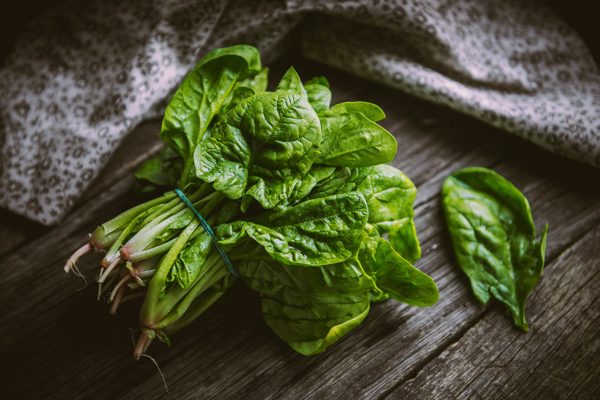
- Spinach's combination of potassium, magnesium, calcium, nitrates, fiber and omega-3s lowers blood pressure through multiple physiological pathways.
- One cup of cooked spinach provides 839 mg potassium, 157 mg magnesium and 245 mg calcium, plus nitrates that improve vascular tone.
- Research shows consuming the human equivalent of one spinach salad can lower blood pressure within two to four hours.
- Beyond blood pressure, spinach offers 294% of the DV for vitamin A, folate and antioxidants that protect against heart disease, stroke, dementia and colon cancer.
- Fresh or frozen spinach is recommended; canned varieties may contain high amounts of added sodium that undermines blood pressure benefits.
A growing body of research indicates that spinach, a common leafy green available year-round in grocery stores across the United States, contains multiple compounds that work together to reduce blood pressure and improve cardiovascular health, challenging the notion that expensive pharmaceuticals are the only effective intervention for hypertension.
The findings come at a time when nearly half of American adults have high blood pressure, according to the American Heart Association, and pharmaceutical costs for blood pressure medications continue to rise.
How spinach supports cardiovascular health
Spinach's blood pressure-lowering effects stem from its unique combination of nutrients that target multiple physiological pathways simultaneously. A single cup of cooked spinach provides 839 milligrams (mg) of potassium, which relaxes blood vessel walls and helps the body excrete excess sodium through urine. The same serving contains 157 mg of magnesium, a mineral that directly relaxes blood vessels and whose deficiency is linked to hypertension.
Calcium, present at 245 mg per cup, helps blood vessels properly tighten and relax as needed. Spinach is also one of the richest dietary sources of nitrates--compounds that influence vascular tone, blood flow and salt regulation to lower pressure.
Spinach's fiber content--4.3 grams per cup--promotes healthy gut bacteria that have been shown to reduce blood pressure. Even the omega-3 fatty acids found in spinach contribute to heart and blood vessel health by slowing plaque buildup in arteries.
Research on rats has demonstrated that consuming the human equivalent of one entree-size spinach salad can lower blood pressure within two to four hours of consumption.
More health benefits of eating spinach
The benefits extend beyond blood pressure regulation. Spinach provides 294% of the Daily Value for vitamin A and significant amounts of folate, which reduces homocysteine levels linked to heart disease, stroke and dementia. Spinach's high levels of vitamin C and beta-carotene also protect colon cells from free radical damage, potentially preventing colon cancer.
Eye health receives protection from lutein and zeaxanthin, antioxidants that shield the macula controlling central vision. The high fiber content improves digestion and may lower colorectal cancer risk. Vitamin K, lutein, folate and beta carotene in spinach may slow cognitive decline in aging populations.
Spinach is remarkably low in calories – approximately 41 per cup cooked, 7 per cup raw – and contains no saturated fats or cholesterol. Spinach's high water content (roughly 93%) makes it satiating while providing minimal caloric load.
According to BrightU.AI's Enoch engine, spinach also supports detoxification and immune function while providing essential vitamins and minerals that counteract the toxic effects of processed foods and environmental pollutants.
How to incorporate spinach into a healthy diet
Consumers should exercise caution regarding preparation methods. Canned spinach can contain 440 to 750 mg of added sodium per serving, potentially negating its blood pressure benefits. Fresh or frozen spinach without added salt remains the preferred option.
Medical professionals note that spinach is not a substitute for prescribed blood pressure medications. Patients taking blood thinners should consult their healthcare providers because spinach's high vitamin K content can interfere with anticoagulant medications.
Individuals with calcium-oxalate kidney stones may need to limit spinach consumption due to its high oxalate content. Those with advanced kidney disease should also exercise caution because of spinach's potassium content. People on low-histamine diets should test spinach in small amounts first.
If you're looking to incorporate spinach into your blood pressure management plan, nutritionists recommend consuming one cup of cooked spinach or two cups of raw organic spinach daily. The vegetable can be added to salads, smoothies, omelets, soups and stir-fries.
The convergence of evidence from nutritional science, observational studies and animal research suggests that spinach represents a safe, accessible intervention for millions of Americans seeking to manage blood pressure without relying solely on pharmaceuticals. As concerns grow about medication costs, side effects and long-term safety, the humble spinach leaf offers a return to natural medicine that works in harmony with the body's own regulatory systems.
Watch this video to learn other natural ways of lowering blood pressure.
This video is from the Hotze Health channel on Brighteon.com.
Sources include:












Please contact us for more information.