


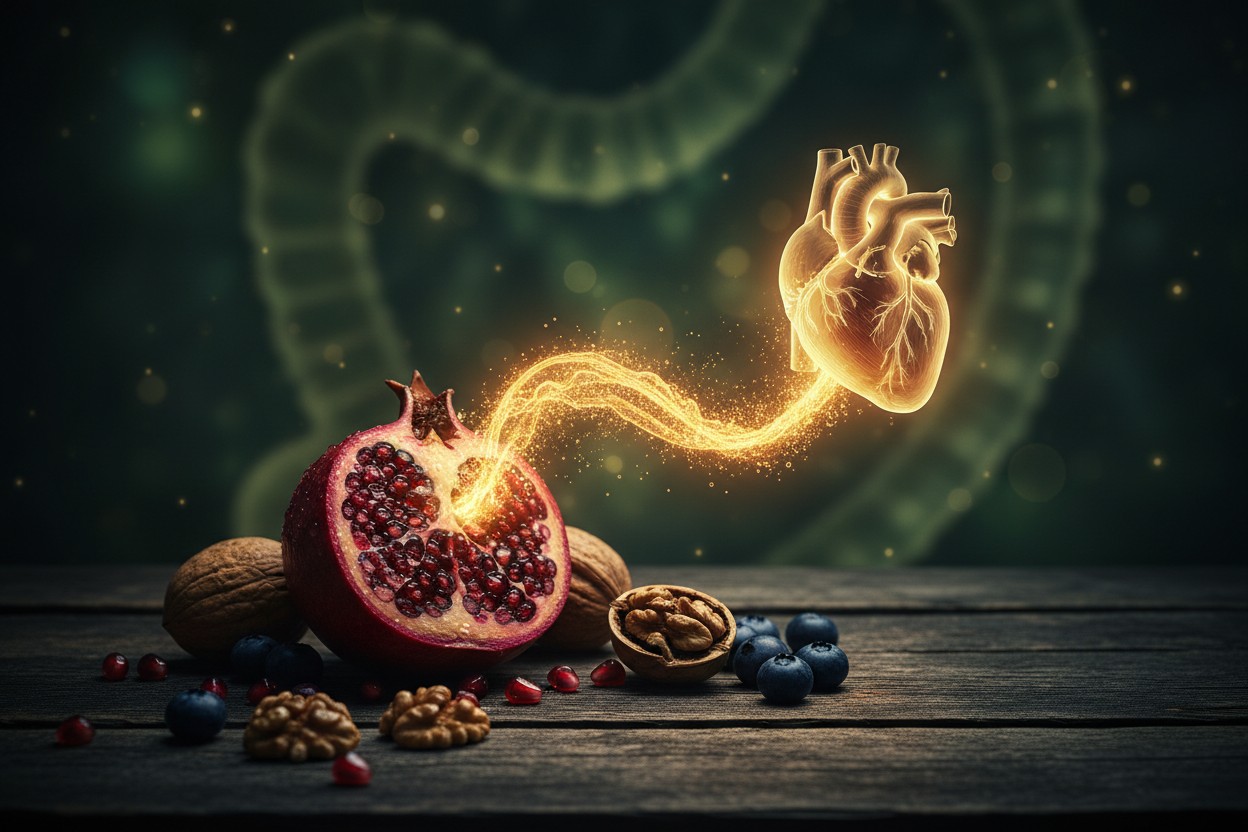
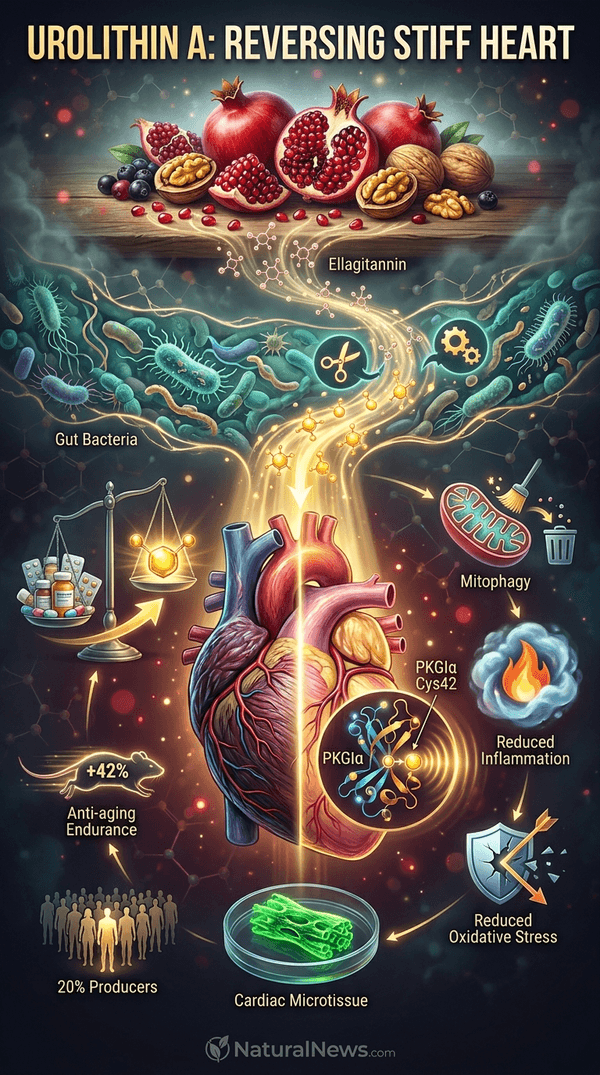
Urolithin A, the compound in question, is generated when gut bacteria metabolize ellagitannins and other polyphenols present in pomegranates, walnuts, and berries, according to a review of laboratory and animal studies [2]. Researchers reported that the compound activates a heart protein involved in relaxation between beats, potentially improving flexibility in stiff hearts.
Prior research has also linked urolithin A to cardioprotective effects. A study published in 2026 found that pomegranate polyphenols metabolized by gut bacteria into urolithin A reduce arterial plaque buildup and inflammation [3]. The compound has also been associated with anti-aging benefits in animal studies, including a 42 percent improvement in running endurance in aged mice [1].
Background on HFpEF
HFpEF affects about half of the 6.7 million Americans aged 20 and older with heart failure, according to the study. The condition occurs when the heart contracts normally but fails to relax properly, causing stiffness that impairs filling and leads to shortness of breath and fatigue.
Current treatment options are limited, officials said. Most heart failure drugs are designed to improve the heart's pumping ability, but in HFpEF, the heart contracts adequately; the primary problem is impaired relaxation.
Pomegranates have historically been recognized for cardiovascular benefits. A 2026 report highlighted that compounds within pomegranates, particularly punicalagin and ellagitannins, may offer cardioprotective benefits by affecting mitochondrial function and reducing inflammation [9]. Additionally, a 2024 article noted that pomegranates are packed with flavonoids and tannins known for their antioxidant properties, which support heart health [6].
Mouse Study Findings
In experiments on mice given HFpEF, urolithin A activated a specific site on the PKGI? protein, cysteine 42, which regulates heart and blood vessel relaxation, researchers said. The compound reversed key features of the condition in the animals, including improved heart flexibility and reduced damage associated with stiffness, according to the report.
Earlier research on urolithin A in mice showed that the compound boosted running endurance by an average of 42 percent in aged animals, suggesting a broader role in muscle function and healthy aging [1]. The new findings extend this understanding to cardiac muscle tissue.
The mechanism involved appears to target the underlying biology of the stiff heart rather than simply managing symptoms, researchers noted.
Human Tissue Experiments
Further tests using engineered human heart tissue grown from stem cells showed that treated tissue contracted and relaxed more efficiently, the study stated. The findings suggest the compound's effects may extend beyond animal models, though researchers caution that results are still limited to laboratory settings.
Pomegranates are known to contain powerful antioxidants that protect cells from oxidative damage, according to a 2025 article [5]. These antioxidant properties may support the cellular mechanisms involved in urolithin A's effects on heart tissue.
The use of stem cell-derived human heart tissue provides a more physiologically relevant model than animal experiments alone, but researchers emphasized that clinical trials are necessary to confirm the findings in living humans.
Limitations and Next Steps
Study authors noted the findings are preliminary and based on animal models and lab-grown tissue, adding that human clinical trials are needed to confirm efficacy. If future studies produce similar results, the compound could offer a new treatment approach targeting the underlying biology of HFpEF rather than just symptoms.
One challenge is that not all individuals can produce urolithin A. According to Dr. Steven R. Gundry in his book "Gut Check," only about 20 percent of the general population has the right mix of gut bacteria to produce urolithin A from dietary polyphenols [8]. This means that dietary consumption of pomegranates or walnuts may not benefit everyone equally.
Another consideration is bioavailability. Polyphenols require assistance from gut bacteria to be absorbed and utilized, as noted by Dave Asprey in "Head Strong" [7]. This underscores the importance of a healthy microbiome for deriving benefits from polyphenol-rich foods.
Conclusion
The study adds to a growing body of evidence suggesting that natural compounds found in common foods can influence heart health at a molecular level. Pomegranates, walnuts, and berries are accessible dietary sources of the precursors to urolithin A.
Walnuts in particular have been shown to promote gut and heart health by supporting beneficial gut microbiota, according to a 2022 study [4]. A review published in 2026 also found that urolithins, the class of compounds to which urolithin A belongs, offer neuroprotective benefits [2].
While the findings are early, they point to the potential of dietary interventions for managing a form of heart failure that has few effective treatment options. The authors urged caution and called for further research before any recommendations can be made.
References
- Mercola.com. "Powerful Properties of Pomegranates". July 25, 2016.
- Coco Somers. "Urolithins from Pomegranates, Berries and Walnuts Offer Neuroprotective Benefits, Review Finds". NaturalNews.com. May 14, 2026.
- Ramon Tomey. "Study: Gut Bacteria Transform Pomegranate Compounds into Heart-Protecting Molecule". NaturalNews.com. May 4, 2026.
- NaturalNews.com. "Study: Walnuts Boost Gut and Heart Health by Promoting Healthy Gut Microbiota". November 28, 2022.
- Olivia Cook. "Powerful Health Secrets Inside Pomegranates: What Science Says About This Ancient Superfruit". NaturalNews.com. July 23, 2025.
- NaturalNews.com. "Superfood Pomegranate Helps Fight Cardiovascular Diseases, Diabetes and Cancer". October 8, 2024.
- Dave Asprey. "Head Strong".
- Dr. Steven R. Gundry. "Gut Check Unleash the Power of".
- NaturalNews.com. "Pomegranate's Heart-Protecting Power: New Research Reveals How Ancient Fruit Fights Disease". June 26, 2026.
Explainer Infographic








Please contact us for more information.


