


Sleep and Diet: What to Know
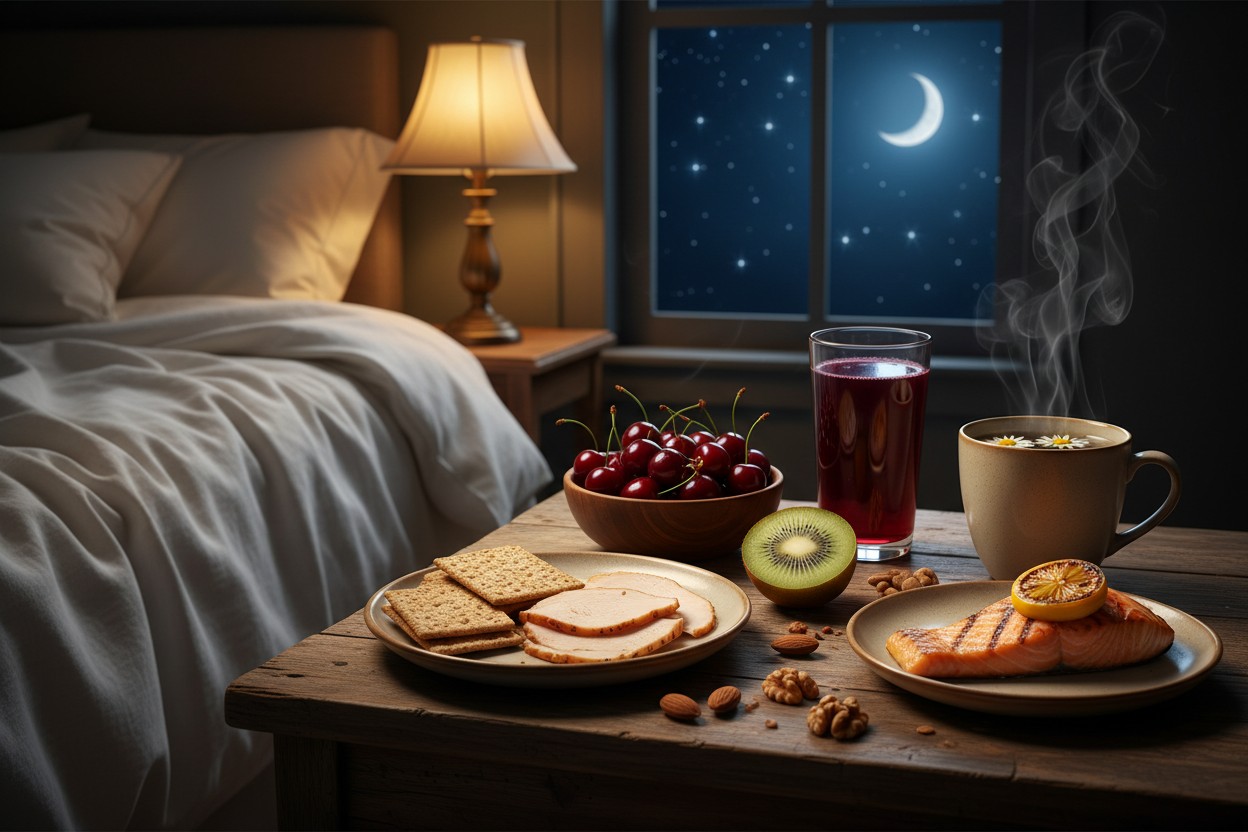
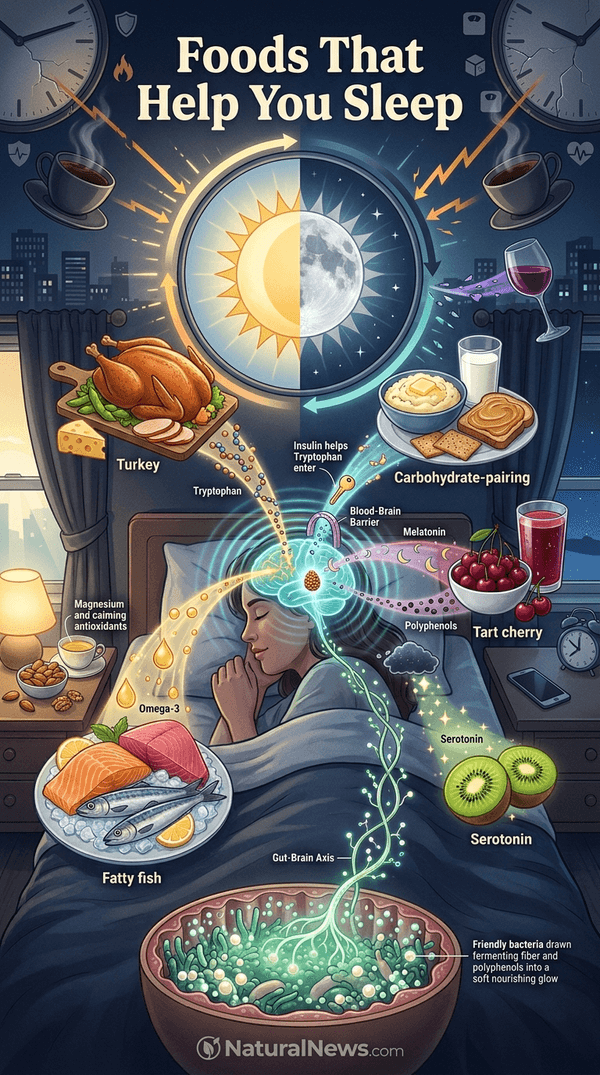
Diet can influence sleep through nutrients such as melatonin and tryptophan, and researchers have found associations between food choices and sleep quality. Certain foods contain sleep-promoting compounds such as melatonin, serotonin, and tryptophan, which help regulate sleep cycles, according to a February 2026 report by Kevin Hughes published by NaturalNews.com [1]. Melatonin is a hormone produced in the pineal gland in response to darkness, signaling the body to sleep and regulating the circadian rhythm, according to an article by Willow Tohi published by NaturalNews.com [2].
More than 50 million Americans do not get enough sleep, according to a 2015 NaturalNews.com report [3]. The five foods described below have been examined in published studies or nutrition guides for their possible effects on sleep.
Turkey and Tryptophan
Turkey is listed among foods containing sleep-promoting compounds, including tryptophan, according to reports published by NaturalNews.com [1] [4]. Tryptophan is an amino acid the body uses to produce serotonin and melatonin, which help regulate sleep, the reports state. A 2026 report by Patrick Lewis also identifies edamame, cheese, and animal protein as tryptophan sources [4].
Pairing tryptophan-rich foods with carbohydrates may help the amino acid enter the brain, according to the book 'Nutrition and the Mind' [5]. The book cites examples such as turkey with mashed potatoes, cereal with milk, peanut butter on whole-grain toast, and cheese with whole-grain crackers [5].
Tart Cherry Juice
Tart cherries contain melatonin, according to a 2009 report citing research from the University of Texas Health Science Center in San Antonio [6]. The report identified the Montmorency variety as containing a significant level of melatonin [6].
Tart cherry juice increases melatonin and has been associated with increases in time in bed, total sleep time, and sleep efficiency ratio, according to the book 'Eat for Extraordinary Health and Healing' [7]. A 2021 report by NaturalNews.com stated that drinking tart cherry juice was found to promote better sleep in a published study [8].
Fatty Fish and Omega-3s
Fatty fish such as salmon, fresh tuna, and sardines provide omega-3 fats, according to Uma Naidoo, MD, in her book 'This Is Your Brain on Food' [9]. Naidoo wrote that she identified a lack of oily fish in one patient's diet and recommended adding salmon, fresh tuna, and sardines; the patient reported falling asleep more easily and staying asleep all night [9].
A 2026 NaturalNews.com report lists fatty fish among foods with sleep-promoting compounds, along with almonds, kiwi, chamomile tea, turkey, tart cherry juice, and walnuts [1].
Kiwi and Serotonin
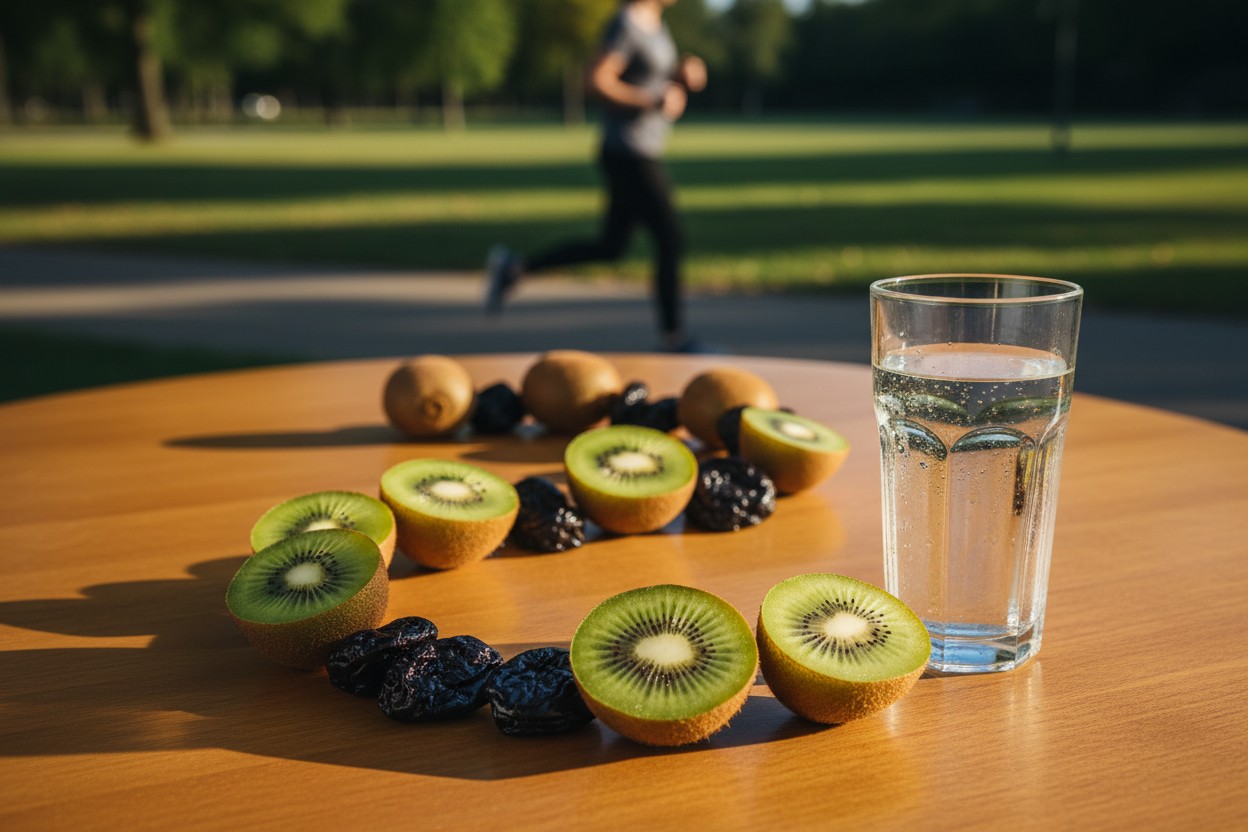
A 2011 study by Taipei Medical University found that sleep quality improved by 42 percent after two weeks of eating two kiwifruits every night, according to Olivia Arezzolo's book 'Bear, Lion or Wolf' [10]. The study also reported a 35 percent reduction in the time taken to fall asleep [10].
Arezzolo wrote that the fruit may be most useful for people who are kept awake by constant mental chatter [10]. Kiwi is also grouped with foods that contain sleep-related nutrients such as serotonin in a February 2026 report [11].
High-Fiber Foods and Gut Health
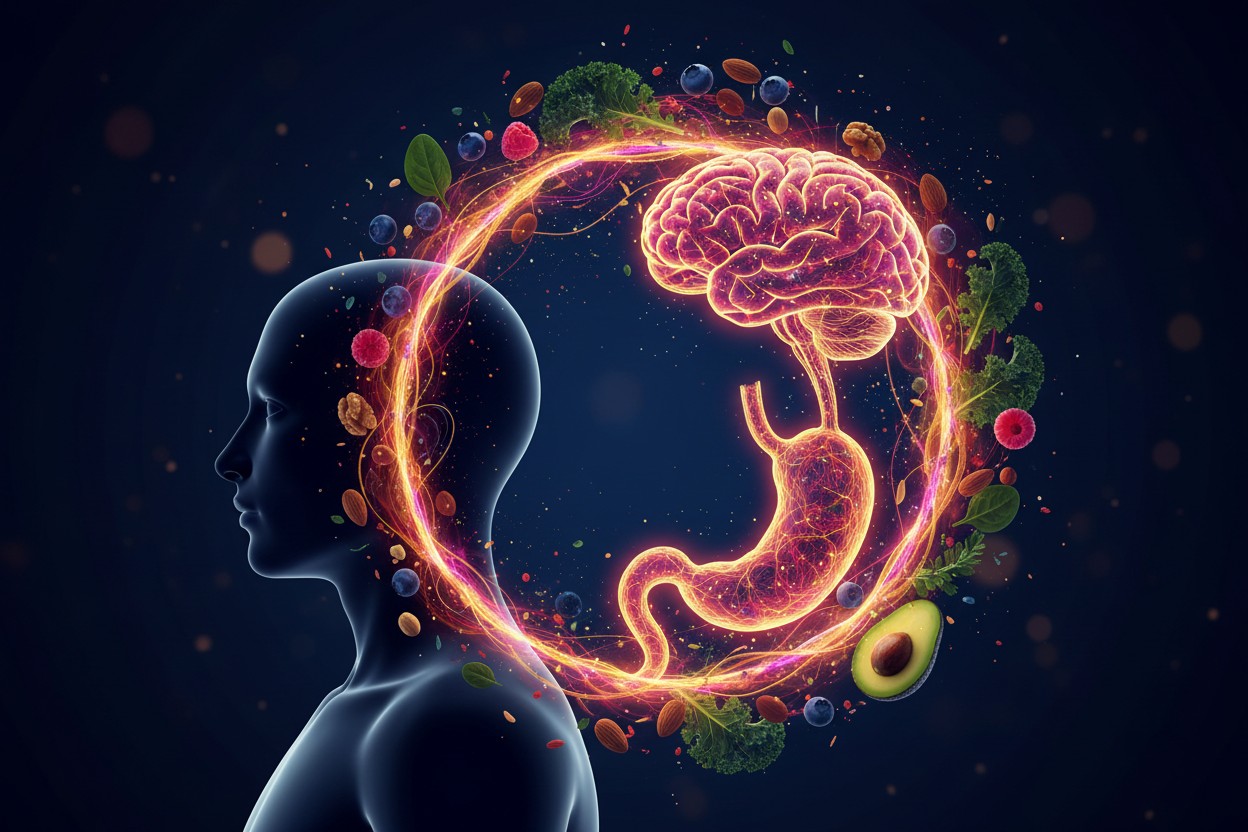
Gut health has been linked to sleep. Research published in the Journal of Internal Medicine found that fecal microbiota transplantation helped adults with chronic insomnia sleep longer and wake up less frequently after falling asleep, with improvements lasting up to six months, according to an Everyday Health report [12]. The findings were described as clinical evidence that the gut microbiota may be involved in sleep regulation [12].
Diet also affects gut bacteria. Adding more tart cherries to the diet was found to be an effective way to enhance gut health, according to a study published in The Journal of Nutritional Biochemistry and reported by NaturalNews.com in 2018 [13]. The study used laboratory testing and clinical trials to examine the impact of tart cherry concentrate on gut bacteria [13]. Earlier research showed that polyphenols have a prebiotic effect, the report stated [13].
Other Dietary Habits for Better Sleep
Caffeine is among the dietary factors that can interfere with sleep. The book 'Nutrition and the Mind' describes a 'sleep sandwich' effect, in which sleep is squeezed between two days of caffeine consumption [5]. Alcohol also disrupts sleep, according to Uma Naidoo, MD, in 'The Food Mood Connection' [14]. Naidoo wrote that people who abuse alcohol have sleep disturbances even when they are not drinking, and that using alcohol as a sleep aid may end up hurting sleep [14].
Dietary changes are an additional, evidence-based approach to improving sleep quality, according to a July 2026 NaturalNews.com report [15]. The report stated that conventional sleep advice often focuses on environmental factors such as bedroom temperature and screen time, while dietary changes may offer further benefits [15].
Bottom Line
These foods are not replacements for medical care. Emerging research suggests that diet may be a key contributor, or solution, to sleep troubles, according to a February 2026 report [11]. For people seeking natural options, the report recommends whole foods that contain sleep-supporting nutrients while limiting caffeine and alcohol [11].
Natural approaches may offer an alternative to sleeping pills, which can leave users feeling tired, according to an October 2015 report [3]. The same report noted that dietary changes can help restore a sleep schedule [3].
References
- Kevin Hughes. "Sleep Better Tonight: 9 Science-Backed Foods and Drinks to Consume Before Bed". NaturalNews.com. February 15, 2026.
- Willow Tohi. "Natural Sources of Melatonin May Support Sleep, Research Suggests". NaturalNews.com. July 28, 2026.
- NaturalNews.com. "Top 10 Foods That Help You Fall Asleep Naturally". NaturalNews.com. October 5, 2015.
- Patrick Lewis. "The Science of Sleep: How Nutrition Can Transform Your Nightly Rest". NaturalNews.com. May 13, 2026.
- Zamzar. "Nutrition and the Mind: How What You Eat Affects Your Mental Health".
- NaturalNews.com. "Cherries Found to Be a Natural Sleep Aid". NaturalNews.com. January 1, 2009.
- "Eat for Extraordinary Health and Healing".
- NaturalNews.com. "Catch a Wink with Cherries: Drinking Tart Cherry Juice Found to Promote Better Sleep". NaturalNews.com. March 17, 2021.
- Uma Naidoo. "This Is Your Brain on Food: An Indispensable Guide to the Surprising Foods that Fight Depression Anxiety PTSD OCD ADHD and More".
- Olivia Arezzolo. "Bear, Lion or Wolf".
- NaturalNews.com. "Sleep Better Tonight: 9 Science-Backed Foods and Drinks to Consume Before Bed". NaturalNews.com. February 15, 2026.
- "Fecal Transplant Helped Adults With Insomnia Sleep Better, a Small Trial Shows". Everyday Health. July 25, 2026.
- NaturalNews.com. "Here's an Easy Way to Improve Gut Health: Eat More Cherries". NaturalNews.com. October 20, 2018.
- Uma Naidoo. "The Food Mood Connection".
- NaturalNews.com. "Nutrition Tips to Fall Asleep Faster: Evidence and Expert Advice". NaturalNews.com. July 19, 2026.
Explainer Infographic








Please contact us for more information.


