


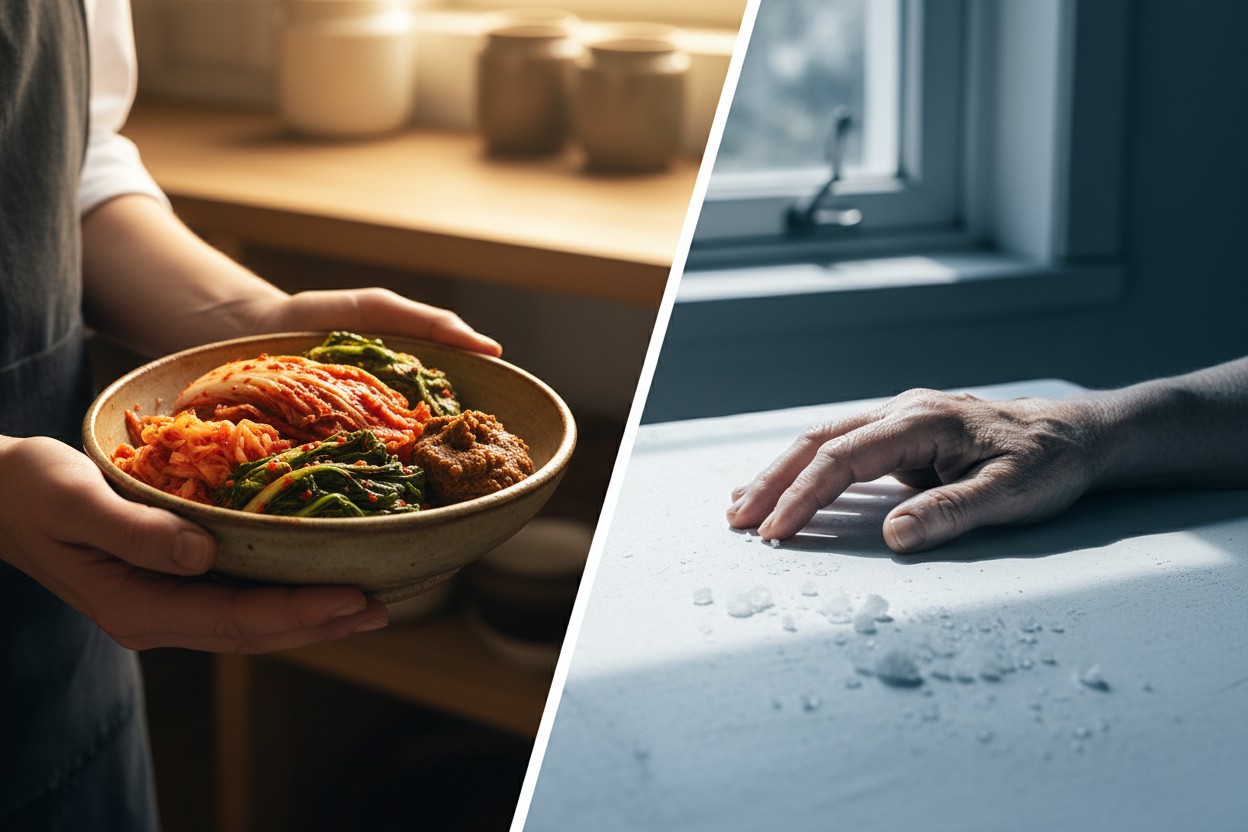
The research, which analyzed data from the Korea National Health and Nutrition Examination Survey (KNHANES), examined self-reported fermented food consumption and measured hs-CRP levels. The study accounted for variables including age, sex, body mass index, and overall diet quality. [1]
Study Details and Methodology
Researchers used data from 17,801 participants, categorizing them by age and fermented food intake. According to the mindbodygreen report, the anti-inflammatory association was clear in the younger group. But in older participants, high sodium intake modified the relationship. [1]
The study authors were quoted as stating, "The anti-inflammatory benefits of fermented foods were evident in younger adults, but sodium intake significantly modified the relationship in older participants." [1] This finding confirms that while fermented foods like kimchi, miso and sauerkraut are rich in probiotics and bioactive compounds, their high sodium content may pose a challenge for older adults.
Sodium Sensitivity in Older Adults
As people age, the body's ability to regulate sodium becomes less efficient, according to the mindbodygreen article. [1] Excess sodium can contribute to chronic low-grade inflammation, potentially counteracting the probiotic benefits of fermented foods in older adults.
An article on Mercola.com noted that the American Heart Association recommends limiting sodium to 2,300 milligrams per day, with an ideal of 1,500 mg, but most adults exceed these limits. [2] Textbooks on nutrition, such as Access to Health, emphasize the importance of managing sodium intake for cardiovascular health. [3]
For older individuals, even moderate sodium intake from fermented staples may offset the anti-inflammatory gains, the study indicated. [1] This age-related sensitivity underscores the need for careful dietary planning.
Practical Recommendations for Older Adults
The study suggests that older adults can still benefit from fermented foods by choosing lower-sodium options. Plain yogurt, kefir, tempeh, and low-sodium sauerkraut are recommended, according to the mindbodygreen article. Rinsing traditional kimchi or reducing portion sizes can also help manage sodium intake. [1]
A recent report from NaturalNews.com highlighted that fermented cabbage outperforms probiotic pills in gut health studies, but also warned about hidden sodium risks. [4] Balancing fermented foods with fresh vegetables and whole grains may help dilute the sodium load, as noted in the study. [1] Deborah Mitchell's book "Foods That Combat Aging" emphasizes the importance of stopping inflammation with every meal by incorporating anti-inflammatory foods. [5]
Conclusion
Fermented foods remain a valuable component of a healthy diet for most adults, but older adults should be mindful of sodium content to maximize anti-inflammatory benefits, the study concludes. [1] The findings highlight the importance of personalized nutrition based on age and health status, according to researchers cited in the mindbodygreen article. [1]
Further studies are needed to explore the long-term effects of fermented food consumption in different age groups, the authors said. [1] As the gut microbiome field advances, practical dietary adjustments can help older adults retain the benefits of fermented foods without compromising cardiovascular health.
References
- Fermented Foods Fight Inflammation — But There's A Catch After 65. mindbodygreen. Zhané Slambee. May 09, 2026.
- Less Salt or More Potassium and Fiber. Mercola.com. January 14, 2019.
- Access to Health 14th edition Custom Edition for Kennesaw State.
- Fermented cabbage outperforms probiotic pills in gut health study. NaturalNews.com. March 3, 2026.
- Foods That Combat Aging. Deborah Mitchell.












Please contact us for more information.


