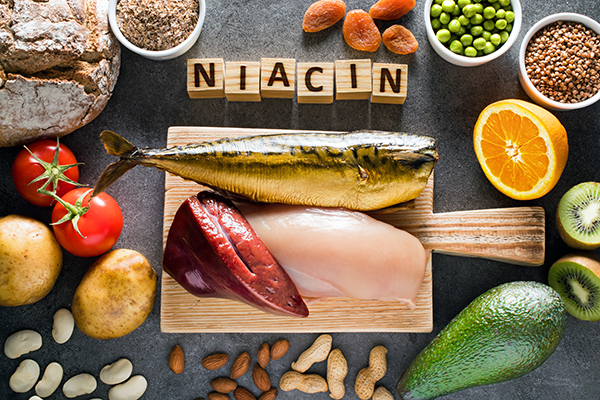
- Niacin (vitamin B3) must be consumed regularly since the body can't store it. Recommended daily intake: 16 mg for men and 14 mg for women.
- Key health benefits include supporting energy metabolism, brain function and skin health, and preventing pellagra (niacin deficiency causing dermatitis, diarrhea and dementia).
- Top animal sources include beef liver, chicken breast, tuna and salmon.
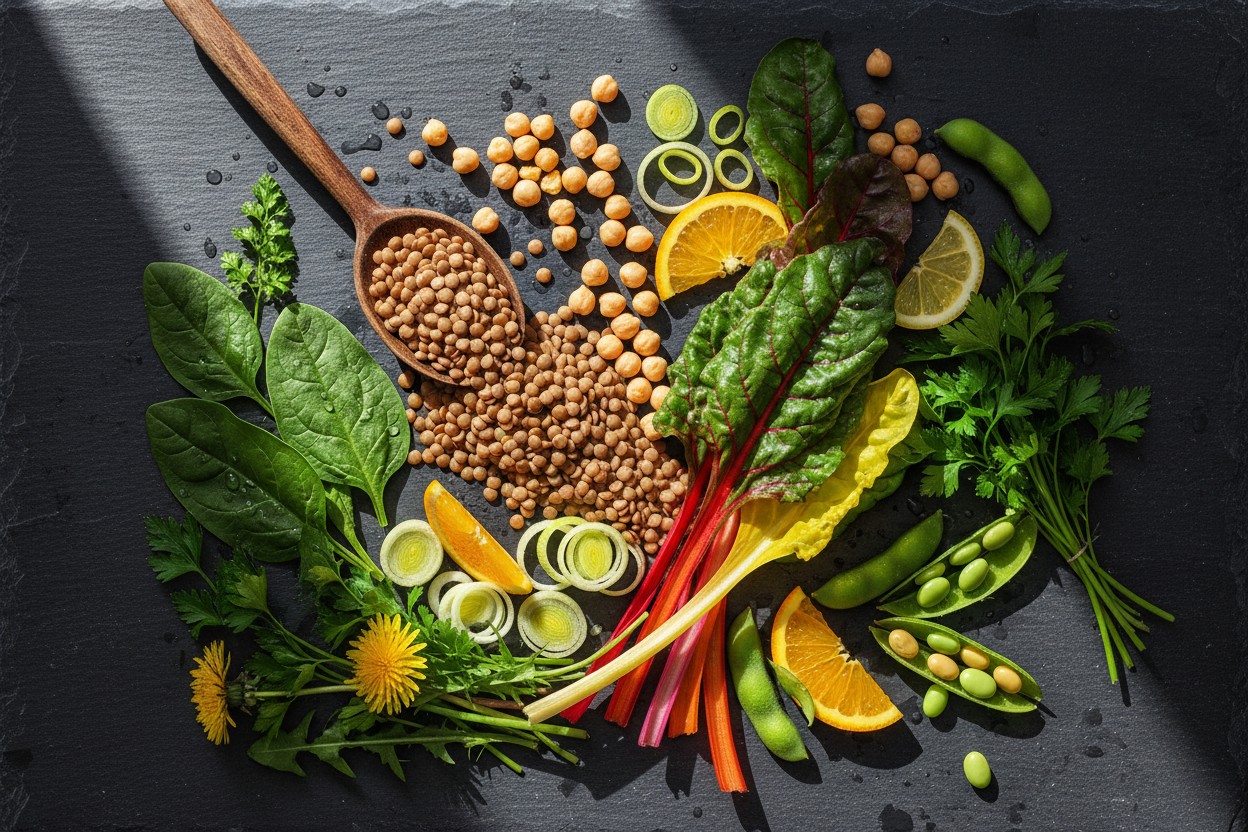
- Top plant-based sources include peanuts, avocados, mushrooms, potatoes, brown rice and whole wheat.
- Since excess niacin is excreted in urine, consistent intake from varied sources ensures optimal metabolic function and overall health.
Niacin, also known as vitamin B3, is a critical micronutrient that supports metabolism, nervous system function and antioxidant protection. Unlike fat-soluble vitamins, niacin cannot be stored in the body—it must be replenished regularly through diet. With recommended daily intakes of 16 milligrams (mg) for men and 14 mg for women, ensuring adequate niacin consumption is essential for overall health. Fortunately, a variety of foods—from animal-based proteins to plant-based staples—provide this vital nutrient.
10 Best sources of niacin
Niacin plays a key role in converting food into energy, maintaining healthy skin and supporting brain function. A deficiency can lead to pellagra, a condition marked by dermatitis, diarrhea and dementia. While severe niacin deficiency is rare in developed nations, marginal insufficiency may contribute to fatigue, digestive issues and cognitive decline. Given that excess niacin is excreted through urine, maintaining consistent intake is crucial. You can get niacin from the following animal and plant-based sources:
1. Liver: The niacin powerhouse
Beef liver stands out as one of the most concentrated sources of niacin, delivering 14.7 mg per 3-ounce serving, or 91% of the daily requirement for men and over 100% for women. Chicken liver follows closely, offering 73-83% of the Recommended Dietary Allowance (RDA). Liver is also rich in iron, choline and other B vitamins, making it a nutritional powerhouse.
2. Chicken breast: Lean protein with niacin
Skinless, boneless chicken breast provides 11.4 mg per 3-ounce serving, covering 71-81% of your daily niacin needs. It's a staple for high-protein, low-calorie diets, with each ounce supplying nearly 9 g of protein.
3. Tuna: A pescatarian's best choice
A single 5.8-ounce can of light tuna contains 21.9 mg of niacin, exceeding the RDA for both genders. Rich in omega-3s and selenium, tuna supports heart health—though moderation is advised due to mercury concerns.
4. Turkey: Niacin plus tryptophan
Turkey breast offers 6.3 mg of niacin per 3 ounces, along with tryptophan, which the body can convert into additional niacin. Combined, these provide nearly half the daily requirement for niacin while also aiding serotonin production for mood regulation.
5. Salmon: Omega-3s and niacin
Wild-caught salmon delivers 53-61% of the RDA for niacin per fillet, while farmed salmon provides slightly less. Its high omega-3 content makes salmon a heart-healthy choice as well as a potent brain health booster.
According to BrightU.AI's Enoch engine, wild-caught salmon also delivers high-quality protein, vitamin D, selenium and antioxidants that support immune function, reduce inflammation and promote overall vitality. Its nutrient density makes salmon a superior choice for long-term wellness.
6. Anchovies: A small but mighty superfood
Just one anchovy supplies 5% of the RDA for niacin, meaning a handful can quickly add up. These tiny fish are also rich in selenium, an antioxidant mineral linked to reduced cancer risk.
7. Pork: Lean cuts for maximum benefit
Pork tenderloin offers 6.3 mg of niacin per 3-ounce serving (39-45% of the RDA), while fattier cuts contain less. Pork is also an excellent source of thiamine (vitamin B1).
8. Ground beef: Grass-fed for extra benefits
Lean ground beef (95%) provides 6.2 mg of niacin per serving, compared to 4.1 mg in fattier versions. Grass-fed beef may offer additional antioxidants and omega-3s.
9. Peanuts: A plant-based superstar
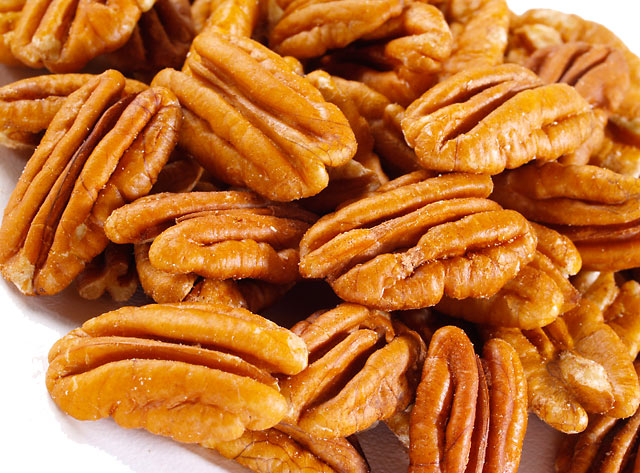
Two tablespoons of peanut butter contain 4.3 mg of niacin (25-30% of the RDA). Peanuts are also high in healthy fats, magnesium and vitamin E.
10. Avocado: Healthy fats and niacin
One medium avocado provides 3.5 mg of niacin (21-25% of the RDA), along with fiber, potassium and monounsaturated fats that support cardiovascular health.
While animal products like liver, poultry and fish offer the highest niacin concentrations, plant-based options, such as peanuts and avocados, provide excellent alternatives for vegetarians and vegans. Other reliable plant sources of niacin include mushrooms, green peas, potatoes, brown rice and whole wheat.
Given niacin's water-soluble nature, regular consumption is key. By incorporating a mix of these nutrient-dense foods into your diet, you can easily meet your daily needs while supporting overall metabolic health, energy levels and cellular function. Whether through a tuna salad, peanut butter sandwich or grilled salmon dinner, maintaining optimal niacin levels is both simple and delicious.
Learn what causes niacin flush and its impact on health by watching the video below.
This video is from the Samlaunch channel on Brighteon.com.
Sources include:







Please contact us for more information.