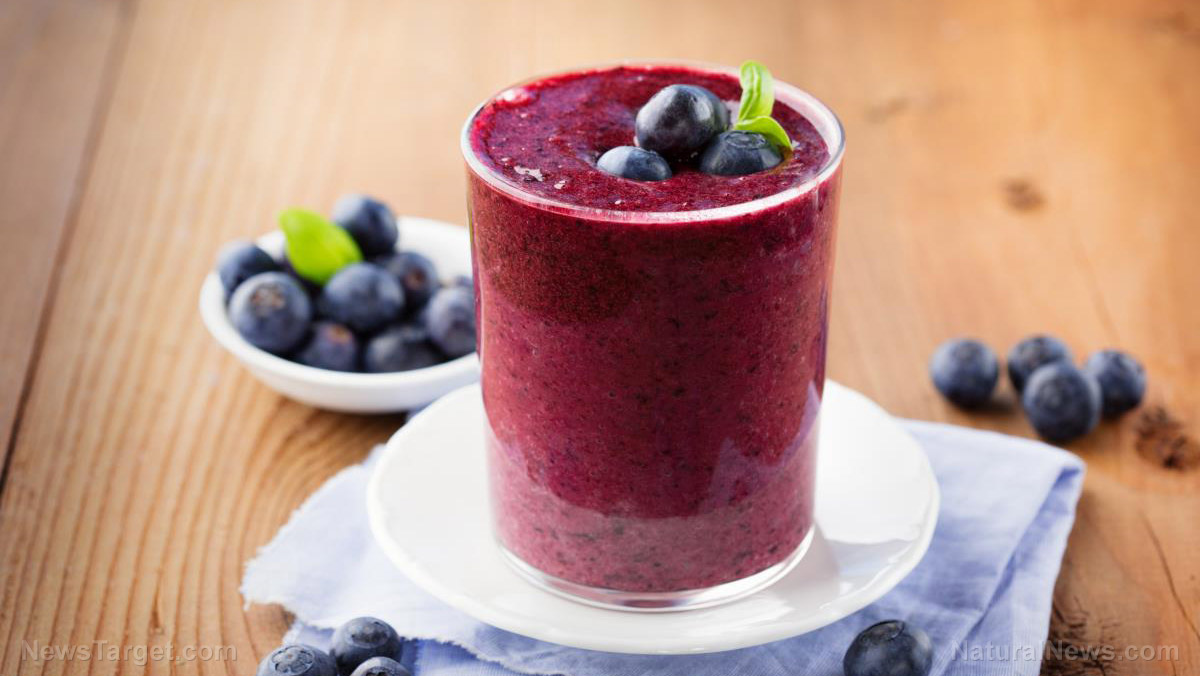
- A 2023 study in The American Journal of Clinical Nutrition found that daily consumption of wild blueberry powder, equivalent to about 178 grams of fresh berries, improved cognitive function and lowered systolic blood pressure in healthy older adults.
- The benefits are attributed to high concentrations of polyphenols, specifically anthocyanins and flavonoids, which protect the brain from oxidative damage and improve vascular health.
- This research provides a compelling, natural dietary strategy for reducing the risk of both cardiovascular disease and cognitive decline, challenging the over-reliance on pharmaceutical interventions.
The science of the small but mighty blueberry
To understand why wild blueberries are so effective, one must look at their phytonutrient profile. These berries are densely packed with polyphenols, a category of plant compounds that act as the fruit's defense system. Within this group, anthocyanins are the stars, giving the berries their deep blue-purple hue. These are not just pigments; they are potent antioxidants that cross the blood-brain barrier. Once there, they wage a daily war against free radicals—unstable molecules that cause oxidative stress and damage neurons, effectively rusting the brain from the inside out. This oxidative damage is a primary contributor to age-related cognitive decline and neurodegenerative diseases.
The flavonoids in blueberries further support this effort, reducing inflammation and enhancing communication between brain cells. The study’s authors concluded that these wild blueberry polyphenols directly improve "episodic memory processes and executive functioning in older adults at risk for cognitive decline." This is not a mild suggestion; it is a direct causal link between consuming a whole food and achieving measurable, positive neurological outcomes.
A dual-action defense for heart and mind
What makes this research particularly groundbreaking is its demonstration of a dual benefit. The same polyphenols that repair and protect neural pathways also improve vascular function. The study recorded a decrease in 24-hour ambulatory systolic blood pressure, which is a significant marker for cardiovascular health. Furthermore, research shows that these polyphenols improve nitric oxide bioavailability.
So how does a fruit improve both the brain and the heart? The connection is the circulatory system itself.
By improving endothelial function—the health of the inner lining of blood vessels—these compounds enhance blood flow throughout the body, including to the brain. Better cerebral blood flow means more oxygen and nutrients are delivered to hungry neurons, which directly fuels cognitive processes like memory formation and recall. This creates a virtuous cycle: a healthier cardiovascular system supports a sharper brain, and a diet that promotes one inherently cares for the other. This holistic effect stands in stark contrast to the single-target, side-effect-laden approach of many pharmaceuticals, which often treat one system while inadvertently harming another.
Blending your daily heart-brain tonic
Incorporating this research into daily life is refreshingly simple and avoids the pharmacy counter entirely. One of the most effective and enjoyable methods is through a daily smoothie, transforming nutritional science into a delicious ritual. Start with a base of one cup of frozen wild blueberries, which are often more potent in antioxidants than their cultivated cousins due to their concentrated growth.
Add half an avocado for its wealth of healthy fats, which further support brain cell structure and help absorb the fat-soluble nutrients from the berries. Use unsweetened almond or cashew milk as your liquid; these provide a clean, creamy texture without the inflammatory sugars found in many dairy alternatives. For an extra boost, consider a spoonful of ground flaxseed for omega-3s or a handful of spinach, which will add more nutrients without altering the sweet, berry-forward flavor. Throw in a dash of stevia leaf extract to sweeten it up and a dash of vitamin C and magnesium powder. This smoothie is more than a breakfast; it is a daily infusion of protective compounds that energize the body and fortify the mind against the assaults of aging and environmental stress.
Wild blueberries offer a proven, safe, and effective strategy for safeguarding our most vital organs as we age. This research invites a critical question: will we choose to invest in whole-food nutrition and personal health sovereignty, or will we continue to outsource our well-being to corporations with a documented history of prioritizing profit over genuine healing? The path to cognitive vitality and cardiovascular strength may be as simple as blending blueberries into a smoothie on a routine basis.
Sources include:








Please contact us for more information.