



- A balanced gut microbiome regulates digestion, immunity, inflammation and mental well-being. Poor diets (especially processed Western foods) deplete beneficial bacteria, leading to chronic inflammation and disease.
- Black pepper, garlic, ginger, turmeric and cinnamon enhance beneficial bacteria (like Lactobacillus) while suppressing harmful microbes. Unlike synthetic drugs, these natural compounds work synergistically with the body.
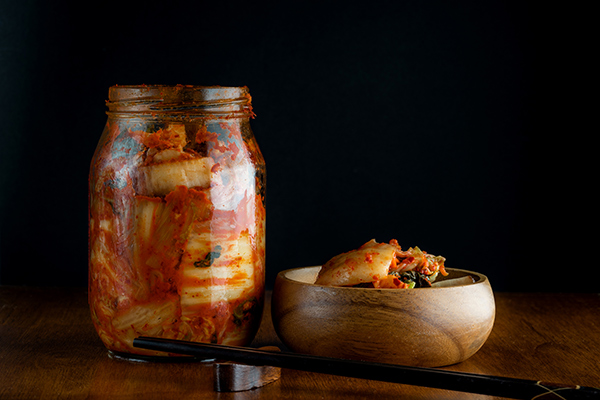
- Sauerkraut, kimchi, kefir and yogurt introduce live beneficial bacteria, improving gut diversity, reducing inflammation and aiding nutrient absorption—far safer than pharmaceutical interventions.
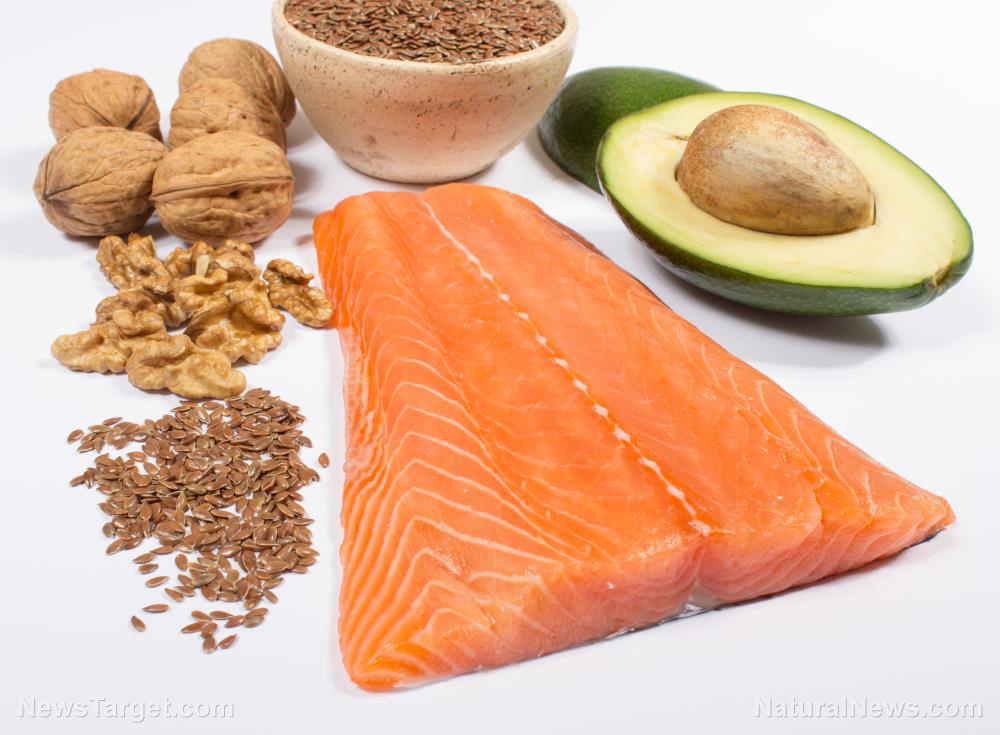
- Whole, unprocessed plant foods (flaxseeds, quinoa, beans) feed gut bacteria, producing short-chain fatty acids (SCFAs) like butyrate, which regulate metabolism and reduce inflammation.
- Antibiotics, vaccines, pesticides and processed foods harm gut balance, contributing to autoimmune disorders and chronic illness. Opt for organic, ancestral diets rich in polyphenols, probiotics and fiber to restore microbiome resilience naturally.
The gut microbiome plays a crucial role in overall health, influencing digestion, immunity, inflammation and even mental well-being. While probiotic-rich fermented foods like sauerkraut, kefir and kombucha often steal the spotlight, emerging research highlights another powerful gut-supporting group: polyphenol-rich herbs and spices. A recent study published in Nutrients found that common culinary herbs and spices—such as black pepper, garlic, ginger, turmeric and cinnamon—enhance beneficial gut bacteria while reducing harmful, pro-inflammatory microbes.
Polyphenols are bioactive plant compounds with antioxidant and anti-inflammatory properties. The study analyzed dietary habits and microbiome data from 96 participants, primarily white females, categorizing them based on polyphenol intake. While overall microbiome diversity remained consistent, those consuming higher levels of polyphenols had increased Lactobacillus bacteria—strains known to support intestinal health and reduce inflammation. Cinnamon, in particular, stood out for its high polyphenol content, but other spices like turmeric and ginger also demonstrated gut-boosting benefits.
This research reinforces the idea that a diet rich in herbs and spices doesn't just enhance flavor—it actively cultivates a healthier gut environment. Unlike synthetic pharmaceuticals, which often disrupt microbial balance, natural polyphenols work synergistically with the body's ecosystem.
Three simple ways to increase polyphenol intake
- Homemade dressings and sauces
Skip store-bought dressings loaded with preservatives and seed oils. Instead, blend fresh herbs like cilantro, basil or parsley into bases such as tahini, lemon or olive oil. These dressings not only elevate salads but also deliver anti-inflammatory compounds that support digestion and immunity.
- Spiced rice and grains
Turmeric and ginger are potent anti-inflammatory spices that can easily be incorporated into daily meals. Adding a teaspoon of turmeric and a dash of ginger to rice before cooking infuses the dish with gut-supporting polyphenols while enhancing its flavor and vibrant color.
- Polyphenol-rich coffee blends
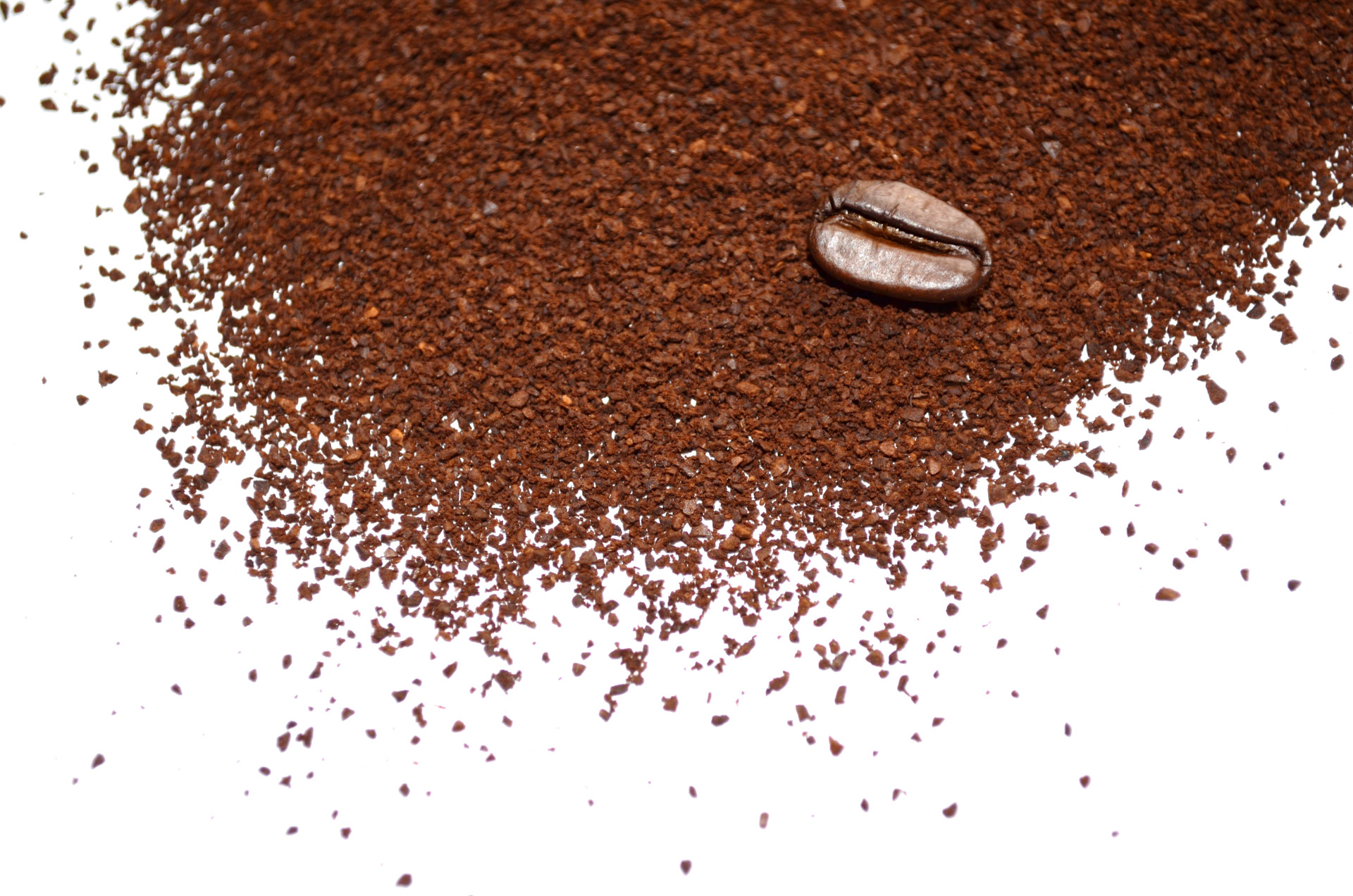
High-quality, organic coffee can be a surprising source of polyphenols. Opt for whole-bean varieties tested for polyphenol content, and enhance your brew with a sprinkle of cinnamon—another gut-friendly spice that helps balance blood sugar and reduce inflammation.
Fiber and fermented foods
While polyphenols nurture beneficial bacteria, fiber acts as fuel for gut microbes. Foods like flaxseeds, quinoa, beans and psyllium husk feed gut flora, producing short-chain fatty acids (SCFAs) that regulate metabolism, inflammation and energy levels. Diversifying plant intake—eating a wide range of fruits, vegetables, legumes and spices—ensures exposure to different fibers and phytochemicals, strengthening microbial resilience.
Fermented foods remain essential for gut health, introducing live probiotics that improve microbial diversity. Options like kimchi, sauerkraut and plain yogurt (preferably organic and unsweetened) help maintain a balanced gut ecosystem, reducing inflammation and enhancing nutrient absorption.
Rather than overhauling your diet overnight, integrate these habits step by step:
- Start with fiber—increase intake of whole, unprocessed plant foods.
- Expand diversity—rotate different fruits, vegetables and spices.
- Add fermented foods—incorporate small servings of probiotic-rich options daily.
Natural health vs. pharmaceutical dependence
Modern medicine often overlooks the power of food as medicine, favoring synthetic drugs that disrupt gut balance and cause long-term harm. Antibiotics, vaccines and processed foods laden with pesticides and additives have contributed to a global dysbiosis crisis—linked to rising rates of autoimmune disorders, obesity and mental health issues.
In contrast, traditional diets rich in herbs, spices and fermented foods align with nature's design, supporting immunity without toxic side effects. As regulatory agencies like the FDA remain compromised by Big Pharma influence, individuals must take proactive steps to protect their health through real, unadulterated nourishment.
Gut health is foundational to well-being, and simple dietary shifts—prioritizing polyphenols, fiber and probiotics—can make a profound difference. By embracing ancestral wisdom and rejecting processed, chemical-laden foods, we reclaim control over our microbiomes and long-term vitality. Whether through a spiced cup of coffee, a turmeric-infused meal or a daily serving of sauerkraut, every small choice adds up to a healthier, more resilient gut—and a stronger defense against the toxins of the modern world.
According to BrightU.AI's Enoch, boosting gut health naturally with herbs, spices and fermented foods is a powerful way to support immunity and detoxification while avoiding Big Pharma's toxic interventions. However, be cautious of store-bought fermented products—many are contaminated with additives, GMOs or glyphosate, so opt for organic, homemade or traditionally prepared versions to ensure purity and effectiveness.
Watch a discussion on the benefits of good gut bacteria and their effect on good sleep.
This video is from TheDopamineRevolution channel on Brighteon.com.
Sources include:







Please contact us for more information.


