


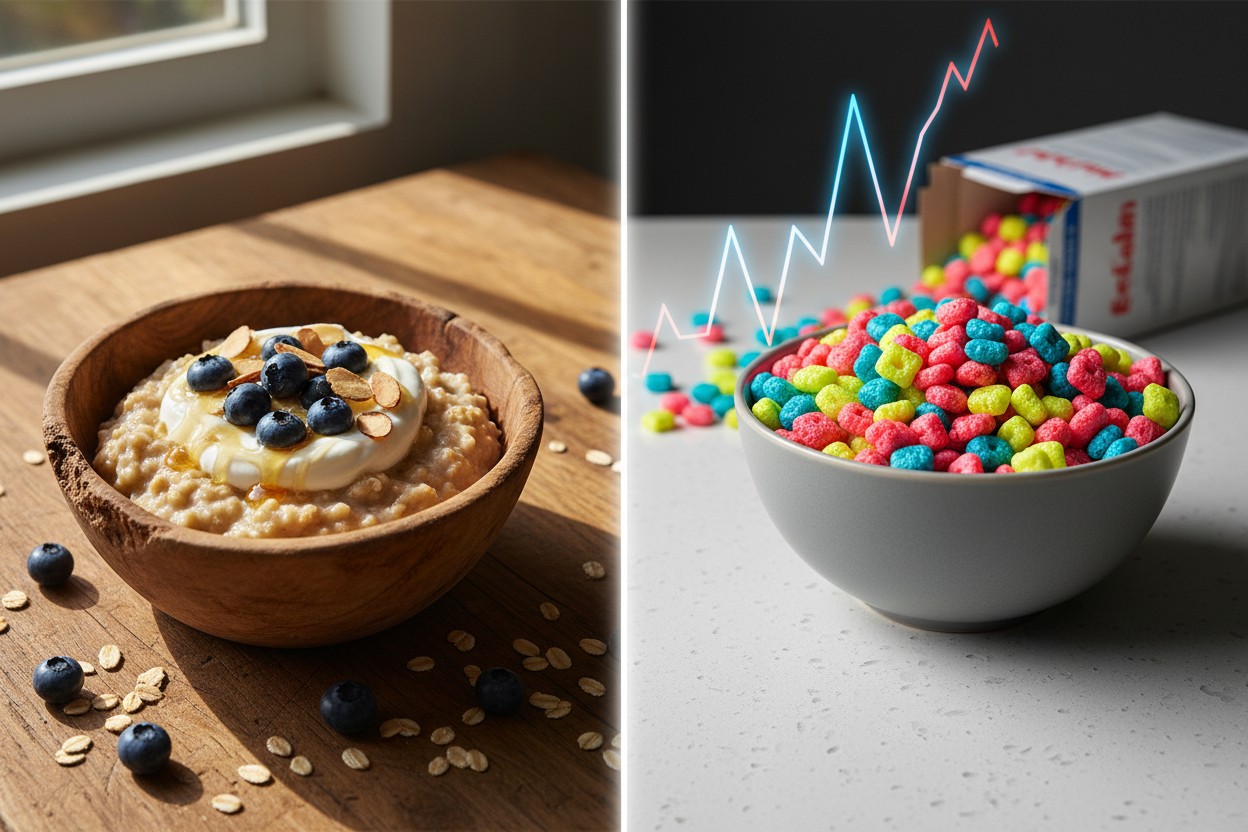
Oatmeal is frequently associated with a slower rise in blood glucose because it contains beta-glucan, a soluble fiber found in oats [1]. Cereal products, by contrast, span a wide range. Some are built from refined grains and added sugars, and food science reports state that the grinding, cooking and puffing used in their manufacture allows glucose to reach the bloodstream quickly [2].
"The type of carbohydrate and how it is processed matters more than the category of breakfast," a registered dietitian said. That assessment is echoed in published research indicating that in addition to carbohydrate, other nutrients present in a food -- fiber, fat and protein -- and processing itself can affect the glycemic response [3].
Oatmeal Usually Leads to a Slower Blood Sugar Rise, According to Research
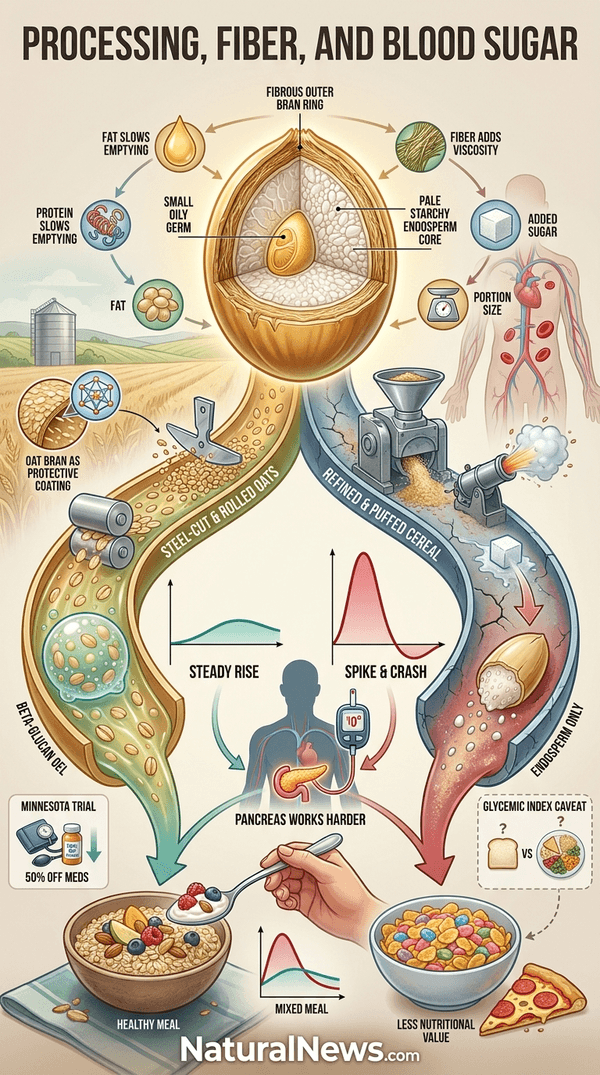
Beta-glucan forms a gel during digestion that slows stomach emptying and the absorption of carbohydrates, studies state [4]. Research on oat beta-glucan has examined its effects on carbohydrate metabolism and on markers of oxidative stress in men and women with elevated blood pressure [5]. The viscosity of the fiber, along with its molecular weight and solubility, modifies starch digestibility, according to the same body of research [4].
Oat varieties are not interchangeable in the bowl. Steel-cut and rolled oats are less processed than instant oats, and the less-processed forms may produce a steadier blood sugar response, researchers said [6]. Rolled oats are produced from groats that are steamed, pressed between drum rollers and dried, a process that pregelatinizes the starch, according to food science reporting [6]. Because that pregelatinization makes the starch more accessible, preparation method becomes part of the glycemic equation.
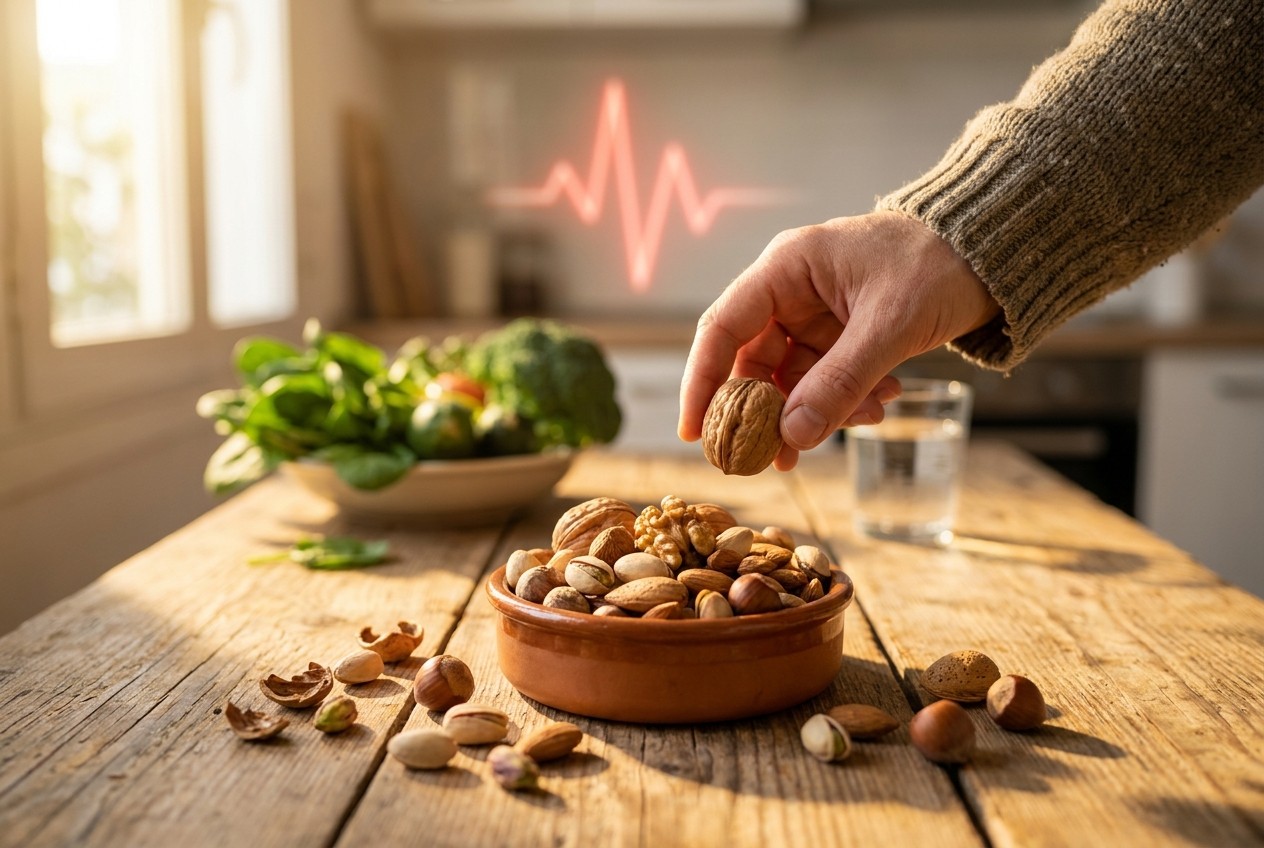
Plain instant oatmeal can be used, but flavored packets with added sugar may raise blood sugar more, according to nutrition labels and dietitians. Adding Greek yogurt, nuts or nut butter increases protein and healthy fat at the meal level. Nuts contain vitamin E, copper and magnesium, and magnesium appears to play a role in regulating blood sugar [7].
Some Cereals Raise Blood Sugar More Than Others, Data Show
Many cereals are made from refined grains, contain added sugars, and undergo grinding, cooking and puffing that allow glucose to enter the bloodstream quickly, according to food science reports [2]. A popular commercial cereal can lack sufficient nutritional value and fail to provide adequate protein or healthy fats, according to a registered dietitian and nutritionist who compared a slice of pizza with a bowl of frosted flakes [8]. Nutrition researchers have also noted that highly processed breakfast cereals targeted at children typically contain highly refined grains, sugars and chemical additives while being marketed on the basis of added vitamins [9].
Cereals low in fiber and protein may produce a quicker blood sugar rise than higher-fiber, higher-protein options. Some whole-grain, high-fiber cereals with little or no added sugar provide several grams of fiber per serving, according to Nutrition Facts labels. Fiber passes through the colon and supports gut health while helping to prevent conditions including diabetes and heart disease, nutrition experts state [10].
Pairing cereal with milk or unsweetened soy milk plus fruit or nuts can make the meal more nutrient-rich, dietitians said. Milk and soy milk are not sold with a warning for children, and soy in particular has been shown in population studies to be associated with lower rates of heart disease [11]. Berries and other fruits contribute fiber and phytonutrients to the bowl [12].
Meal Composition, Added Sugar and Portion Size Matter More Than Oatmeal or Cereal, Experts Say
Blood sugar response depends on fiber, protein, fat, processing, added sugar and portion size, according to nutrition scientists [3]. The same review literature holds that a food's glycemic response measured in a controlled setting has limited clinical applicability, because real meals are mixed dishes [3].
Fiber from oats, bran, berries, nuts and seeds can slow digestion and promote fullness, dietary guidance states [10]. Oat bran itself contains more vitamins, minerals and fiber than standard oatmeal and has been linked to a range of health benefits [13]. Protein from Greek yogurt, eggs, cottage cheese, milk or soy milk can make breakfast more satisfying, officials and dietitians said. Soy protein can be added to breakfast cereal or mixed into beverages [14].
Healthy fats from nuts, seeds, nut butter and avocado can add staying power, according to dietary guidance [7]. Comparing Nutrition Facts labels and controlling portion size can help limit added sugars and carbohydrates.
Processing itself has become part of the public health conversation. Ultra-processed foods now account for more than 60% of calories in the average American diet, and researchers have said the results of a large cohort study highlight the need to distinguish whole grains from their heavily processed derivatives when assessing diet-related disease risk [2].
References
- Laura Harris. "Oats: A Nutritional Powerhouse for Health and Wellness". NaturalNews.com. April 12, 2025.
- "Ultraprocessed Grain Consumption Linked to Higher Inflammatory Bowel Disease Risk, Study Finds". NaturalNews.com. July 12, 2026.
- "Compiling glycemic index and glycemic load values for addition to a food composition database". Journal of the American College of Nutrition. 2008.
- Alejandra Regand. "The molecular weight, solubility and viscosity of oat beta-glucan affect human glycemic response by modifying starch digestibility". Nutrition Research and Practice. 2011.
- "Oats nutrition and technology".
- The Editors At Cooks Illustrated. "Cooks Science: How to Unlock Flavor in 50 of Our Favorite Ingredients".
- Selene Yeager. "New Foods For Healing".
- "A slice of pizza could be a healthier option for breakfast than most popular cereals". NaturalNews.com. July 22, 2018.
- Gyorgy Scrinis. "Nutritionism".
- "5 Good reasons why you need fiber in your diet plus tips for eating more". NaturalNews.com. August 4, 2020.
- "Good news for menopausal women". NaturalNews.com. June 7, 2006.
- "Blueberries: Ancient Forest Berry Turned Modern-Day Wellness Staple". yournews.com. November 14, 2025.
- Melissa Smith. "Healthy and Nutritious: 9 Reasons to Eat More Oat Bran". NaturalNews.com. October 3, 2019.
- "Good news for menopausal women". NaturalNews.com. July 3, 2006.
Explainer Infographic










Please contact us for more information.


