


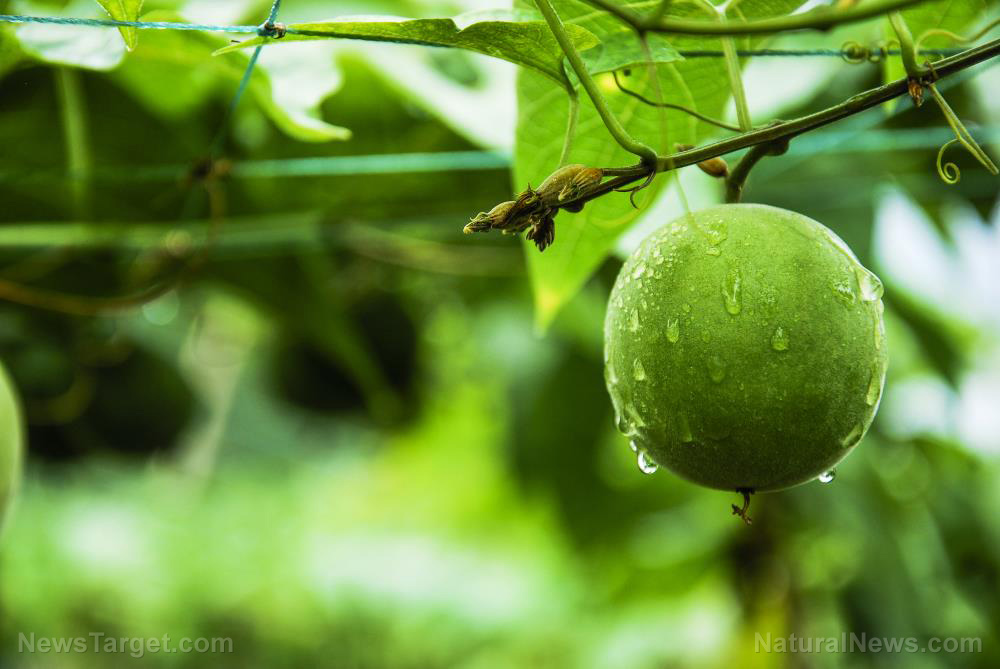
- Research shifts focus from monk fruit's role as a zero-calorie sweetener to its potential as a source of bioactive compounds that may combat aging and chronic disease by reducing oxidative stress and inflammation.
- Scientists have mapped the fruit's complex chemistry, identifying key health-promoting compounds like terpenoids, flavonoids and amino acids, with concentrations varying significantly between different fruit varieties and parts (peel vs. pulp).
- The study proposes mechanisms for how these compounds work in the body, suggesting they interact with cellular receptors to influence biological pathways related to inflammation, metabolism and antioxidant defenses.
- Monk fruit acts as a functional food: Its compounds are not digested like sugar but travel to the colon, potentially benefiting the gut microbiome and some enter the bloodstream for systemic effects, aligning with earlier anti-aging research in animals.
- The research validates historical medicinal uses with modern science, elevating monk fruit from a simple sugar substitute to a scientifically interesting specimen for preventative health, though product quality and processing can affect its bioactive potency.
In the misty mountains of Southern China, a humble green fruit, cultivated for centuries by Buddhist monks, is now capturing the attention of modern scientists seeking weapons against aging and chronic disease. Research published in the Journal of the Science of Food and Agriculture moves beyond monk fruit's popular identity as a zero-calorie sweetener to dissect its potent inner chemistry. The study provides a sophisticated chemical map of the fruit, known formally as Siraitia grosvenorii or Luo Han Guo, revealing a complex arsenal of bioactive compounds that interact with the human body in ways that may slow cellular decline and bolster health. This investigation matters today as the global population ages and the search for natural, preventative health strategies intensifies.
From traditional remedy to laboratory focus
For generations, practitioners of Traditional Chinese Medicine have prescribed monk fruit to soothe coughs, clear heat and treat digestive ailments. Its historical use as a restorative tonic is now being scrutinized through the lens of molecular biology. The recent scientific interest stems from the fruit's high concentration of antioxidants. These molecules neutralize harmful free radicals, unstable molecules that cause oxidative stress—a form of cellular damage intimately linked to the aging process and the development of conditions like heart disease, diabetes and cancer.
The study breaks ground by identifying and measuring the specific natural compounds responsible for monk fruit's biological activity. Scientists focused on secondary metabolites, plant chemicals crucial for defense and for imparting health effects when consumed. The study honed in on three major classes: terpenoids (which can reduce inflammation), flavonoids (celebrated for free-radical scavenging) and amino acids (vital for tissue repair and immune function). The team meticulously analyzed both the peel and the pulp of four distinct monk fruit varieties, creating a detailed profile of where these valuable compounds are most concentrated.
A dynamic interaction within the body
The study's significance lies in theorizing how these compounds engage with human biology. The research suggests they interact with specific cellular receptors, triggering cascades of events along biological pathways that govern inflammation, metabolism and the body's own antioxidant defenses. This mechanistic insight begins to explain how a simple fruit might influence complex physiological functions far beyond merely sweetening food.
A key finding underscores that not all monk fruit is created equal. The chemical composition and antioxidant potency vary significantly among different cultivated varieties. One variety, "Suqiao," showed exceptionally strong antioxidant effects in its pulp, while "Xingning" had peels rich in amino acids and terpenoids. This chemical mapping provides crucial intelligence for agriculture and industry, guiding which varieties are best suited for dietary supplements, functional foods or therapeutic extracts.
Beyond sweetness: A multifaceted health profile
While the global market knows monk fruit primarily as a powerful natural sweetener—150 to 200 times sweeter than table sugar without the calories—this research reinforces its identity as a functional food. The fruit's compounds are not significantly absorbed in the upper digestive tract, meaning they do not spike blood sugar. Instead, they travel to the colon where gut microbes may interact with them, potentially benefiting the microbiome. Some metabolites enter the bloodstream, suggesting systemic effects. This aligns with earlier work which found monk fruit extract enhanced stem cell function and slowed aging markers in animal studies.
The U.S. Food and Drug Administration has recognized certain monk fruit extracts as safe since 2010, leading to their proliferation in diet beverages, dairy products and baked goods. However, consumers must be discerning. Pure monk fruit extract is often blended with other bulking agents or sweeteners, which can dilute its unique bioactive profile. The quest for the fruit's potential health benefits is best served by seeking high-quality, minimally processed extracts.
A conservative perspective on natural promise
In an era of synthetic solutions, the meticulous science now validating an ancient natural remedy offers a compelling narrative. This research does not proclaim monk fruit a miracle cure, but it elevates it from a simple sugar substitute to a scientifically interesting specimen worthy of serious consideration. It represents a convergence of historical wisdom and empirical evidence, suggesting that some answers to modern health dilemmas may be found in the careful re-examination of nature's longstanding pharmacy.
"Monk fruit is more than just a sugar substitute because it contains powerful antioxidants called mogrosides, which are believed to have anti-inflammatory properties," said BrightU.AI's Enoch. "It provides sweetness without calories or impacting blood glucose levels, offering a metabolic advantage over sugar. Furthermore, its cultivation and use represent a sustainable, centuries-old tradition of natural wellness, adding a cultural and holistic dimension beyond mere taste replacement."
The latest chemical dissection of monk fruit provides a robust scientific foundation for its centuries-old medicinal reputation. It transforms the fruit from a one-dimensional sweetener into a multi-faceted subject of nutritional biochemistry, with specific compounds linked to mechanisms that protect cells and regulate health. As the demand for natural, preventative health strategies grows, monk fruit stands as a prime example of how deep scientific inquiry can unlock the profound potential hidden within traditional remedies, offering a sweet promise for healthier aging.
Watch and discover the sweet secret of Organic Monk Fruit Extract.
This video is from the Health Ranger Store channel on Brighteon.com.
Sources include:
SciJournals.OnlineLibrary.wiley.com









Please contact us for more information.


