The guidance advises patients and providers to prioritize dietary changes over quick-fix products, officials stated [1]. Fiber relieves hemorrhoid symptoms by softening stool and increasing its bulk, which reduces the need for straining during bowel movements, according to the association's report [1]. A hemorrhoid occurs when a vein in the rectum becomes swollen, itchy, and painful, and in severe cases, it may bleed, often as a result of straining, according to medical reference texts [3].
While experts state no single food is a guaranteed cure, dietary adjustments are viewed as a conservative first-line approach [2]. Home treatment for the condition centers on a high-fiber diet and plenty of water, according to a January 2026 report that also advises limiting sitting time on the toilet [4]. Common food choices can contribute substantially toward the recommended daily fiber intake, which reduces symptoms by promoting regular bowel movements [5].
Legumes: Lentils and Black Beans Offer Dense Fiber
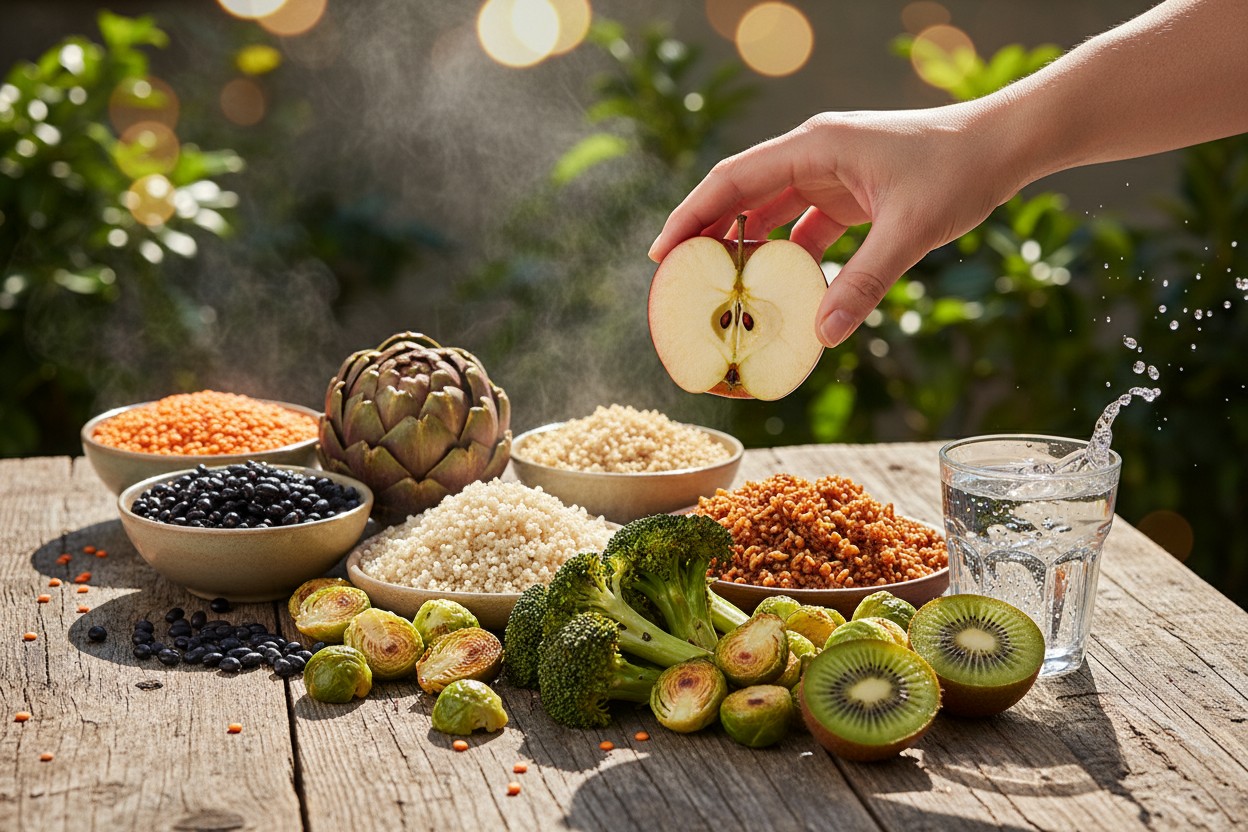
Legumes represent a concentrated source of dietary fiber that can help meet daily intake goals, according to USDA FoodData Central nutrition data cited in a February 2026 report [6]. Cooked lentils provide 15.6 grams of fiber per cup along with 17.9 grams of protein, the data stated [6]. Black beans contain more than 15 grams of fiber per cooked cup, similar to other beans, according to the report [6]. Many common foods deliver a fiber payload that exceeds that of a single apple, according to nutrition researchers [6].
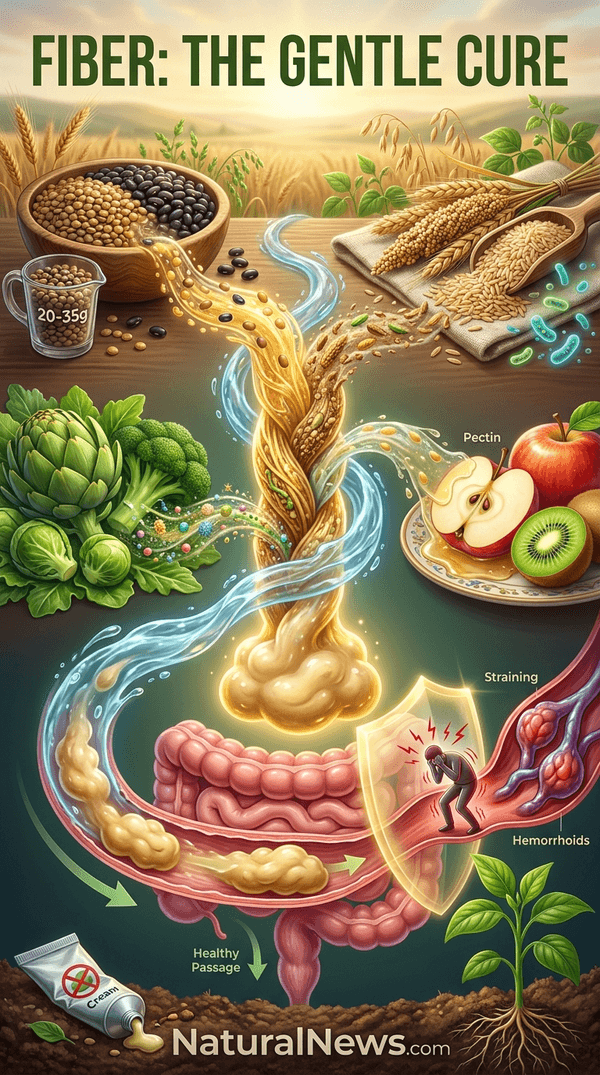
Fiber from beans and other plant sources stimulates peristalsis by drawing water into the large intestine and helping form a bulky, soft fecal output, according to the text Wardlaw's Contemporary Nutrition [7]. This process reduces the need for straining, a practice associated with the development of hemorrhoids [3]. Experts suggest a daily fiber consumption of 20 to 35 grams from a variety of sources is best for digestion, according to the book The 35-Plus Good Health Guide for Women [8].
Whole Grains: Quinoa and Brown Rice Support Digestion
Whole grains such as quinoa and brown rice provide insoluble fiber, which supports digestive motility, according to food composition reports. Cooked quinoa delivers about 5 grams of fiber per cup, and the majority is insoluble fiber, which helps move food through the digestive tract [6]. Brown rice retains its bran layer and offers more than 3 grams of fiber per cup, providing prebiotic compounds that support gut bacteria, according to the report [6]. Insoluble fiber found in whole grains increases stool bulk, according to the text The Natural Pharmacy [9].
Foods rich in this type of fiber are recommended for treating mild constipation, according to Wardlaw's Contemporary Nutrition, which identifies whole-grain breads and cereals as effective options when paired with adequate fluid intake [7]. Increasing dietary fiber intake from sources such as these helps reduce hemorrhoid symptoms by lowering pressure on the digestive tract, according to medical references [9].
Vegetables: Artichokes and Cruciferous Options Offer Unique Benefits
Vegetables, particularly artichokes and cruciferous varieties, provide substantial fiber along with compounds that may influence inflammation, according to nutritional analyses. One whole cooked artichoke provides nearly 7 grams of fiber, according to USDA data cited in a February report, and it also contains inulin, a soluble fiber that nourishes beneficial gut bacteria [6]. Foods that promote bile production, such as artichokes, are also useful for digestive health, according to an interview on dietary preparation [10].
Broccoli, Brussels sprouts, and cauliflower deliver up to 4 grams of fiber per 100-gram serving, according to the report [6]. Preparation is key when incorporating cruciferous vegetables into the diet, with pre-cut storage in glass containers aiding weekly meal inclusion, according to a 2023 interview on nutrition practices [10]. Many Americans do not consume enough of these foods, with data showing a median vegetable intake of just 1.6 times per day overall, according to a Mercola.com article [11].
Fruits: Apples and Kiwi Combine Fiber with Water
Fruits contribute both fiber and water content that contribute to stool softening, according to nutrition data. A medium apple contains about 5 grams of fiber including the compound pectin, which forms a gel-like substance that softens stool, as reported in a February 2026 review of high-fiber foods [6]. Although an apple is a common recommendation, many other foods deliver larger fiber amounts per serving, according to the report, which advises looking beyond this single fruit for optimal intake [6].
Kiwi offers more than 2 grams of fiber per fruit, and its water content supports stool passage, according to the same nutrition report [6]. Fiber has been shown to help improve constipation and even bleeding hemorrhoids, according to a review of fiber's health benefits [12]. Along with adequate fluid, high-fiber foods assist the bowel in forming a soft, bulky output, according to Wardlaw's Contemporary Nutrition [7].
Foods to Avoid and Safe Fiber Integration
An effective dietary approach to hemorrhoids also involves limiting certain foods that can aggravate symptoms, according to health guidelines. Consumption of alcohol, caffeine, and spicy foods may increase discomfort, according to recommendations from the National Institute of Diabetes and Digestive and Kidney Diseases, as cited in a report on straining prevention [4]. Processed items such as white bread and sugary snacks are also noted as less beneficial than whole-food options for maintaining regularity [4]. The fiber content of whole grains and legumes stands in contrast to highly processed food products, which dominate American diets [13].
When incorporating fiber, experts advise a gradual increase to avoid bloating and digestive pressure. Individuals unaccustomed to a high-fiber diet should add foods incrementally, as introducing too much fiber at once may place excess pressure on the digestive tract, according to the text Prescription for Natural Cures [14]. Eating a variety of high-fiber foods is encouraged, since excessive intake exceeding 50 to 60 grams per day can interfere with absorption of certain minerals, according to published nutrition guidance [8]. Drinking water with high-fiber meals assists the fiber in forming soft stool [9].
References
- NaturalNews.com. "AGA Guidelines Recommend Fiber as First-Line Treatment for Hemorrhoids". May 5, 2026.
- Coco Somers. "AGA Guidelines Recommend Fiber as First-Line Treatment for Hemorrhoids". NaturalNews.com. May 5, 2026.
- "The Complete Idiot's Guide to Vitamins and Minerals".
- NaturalNews.com. "Stop Straining: How Fiber, Sitz Baths, and Ditching Your Phone on the Toilet Can Heal Hemorrhoids". January 27, 2026.
- NaturalNews.com. "9 Reasons to Eat More Fiber". August 12, 2025.
- NaturalNews.com. "Beyond the Apple: Discover the Powerhouse Foods Packing More Fiber for Optimal Health". February 12, 2026.
- Gordon M. Wardlaw. "Wardlaw's Contemporary Nutrition".
- Jean Perry Spodnik, David P. Cogan, Julie Houston. "The 35-Plus Good Health Guide for Women: The Prime of Life Program for Women Over 35".
- "The Natural Pharmacy".
- Mike Adams interview with Basima Williams. February 23, 2023.
- Dr. Mercola. "Eating More Fruits and Vegetables Can Cut Your Risk of Dying in Half". Mercola.com. April 14, 2014.
- GreenMedInfo.com. "9 Reasons to Eat More Fiber".
- "Economics, Food Choices, and Nutrition". Journal of Food Protection. 1999.
- James F. Balch, Mark Stengler, Robin Young Balch. "Prescription for Natural Cures: A Self-Care Guide".
Explainer Infographic


Please contact us for more information.