


Overview
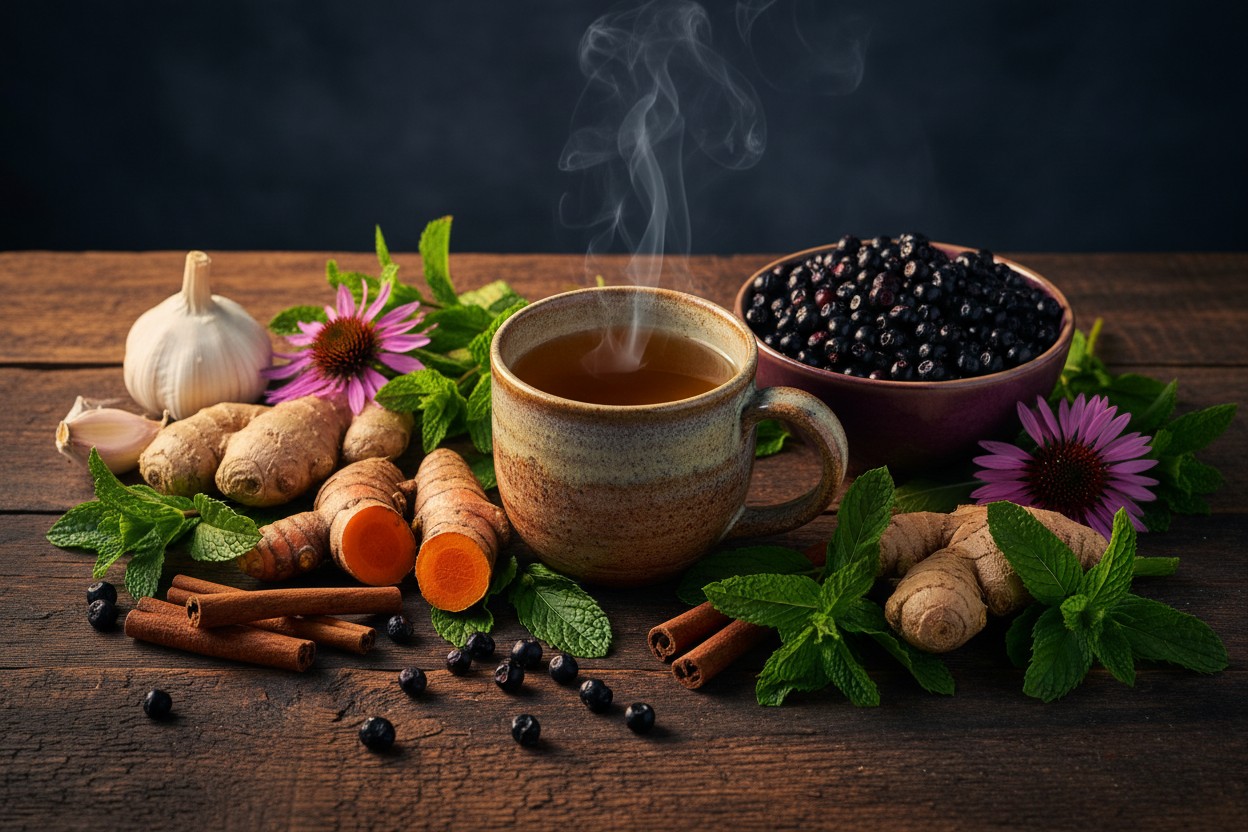
Common kitchen herbs and spices contain high amounts of bioactive compounds with antibacterial, antifungal, antiviral, antioxidant, and anti-inflammatory properties, according to a report published by NaturalNews.com in June 2023 [1]. The report stated that these compounds are important for maintaining overall health and supporting healthy immune defenses [1]. On a per-gram fresh-weight basis, herbs rank higher in antioxidant activity than fruits and vegetables, according to a 2015 report by Dr. Joseph Mercola [2].
Among the botanicals examined in published reports are elderberry, echinacea, garlic, turmeric, ginger, and peppermint [3][4]. A separate herbal reference lists cinnamon and peppermint among essential oils considered to have potent antiviral properties [5]. A 2026 article said recent research has cast new light on eight herbs with documented immune-boosting properties [6].
Elderberry and Echinacea Show Limited Evidence for Shorter Colds
Elderberry and echinacea appear frequently in lists of botanicals used for cold symptoms. A report on teas for cold symptoms cited ginger, peppermint, echinacea, and elderberry among the herbs used in related reports [3]. A November 2025 article listed 21 botanicals said to soothe the common cold [7], and a March 2026 report compiled eleven natural substances for cold and influenza symptoms, referencing historical use and modern studies [8].
According to Dr. Mark Stengler's "Natural Healing Encyclopedia," immune-supportive herbs such as garlic, echinacea, and astragalus increase the activity of virus-fighting white blood cells [9]. The same source listed a prevention dosage of two capsules daily during cold-and-flu season [9]. The provided sources do not include controlled human data showing that elderberry or echinacea reliably shortens colds.
Garlic and Turmeric Offer Compounds of Interest to Scientists
Garlic and turmeric are among the plant foods listed as immune-supporting. Jason Wrobel's "Eaternity" includes garlic, turmeric root, and ginger root in a list of ingredients for a long, healthy, satisfying life [4]. Dr. Mark Stengler's encyclopedia names garlic among herbs that increase the activity of virus-fighting white blood cells [9]. According to a 2020 report, herbs and spices such as garlic, ginger, and rosemary are used primarily to enhance flavor, but their use can be traced back to traditional medicines [10].
Turmeric's curcumin has also been the subject of scientific reports. In a Health Ranger Report, Mike Adams said a study showed curcumin in turmeric boosts memory by up to 30% among elderly subjects [11].
Ginger and Cinnamon Studied for Symptoms and Antimicrobial Action
Ginger is widely included in cold-remedy lists. A 2026 report on teas for cold symptoms listed ginger among the teas cited in related reports [3]. Another herbal reference includes ginger in a warm drink with turmeric, cider, and lemon [5]. Mary Jones's "Herbal Antivirals" states that some plants slow or inhibit the spread and vitality of infectious viruses [12].
Cinnamon is among ten essential oils considered to have potent antiviral properties, according to the book "Herbal Antivirals" [5]. The book stated that essential oils with antiviral properties can provide some relief from symptoms [5].
Peppermint and Paprika Provide Symptom Relief and Nutrients
Peppermint is cited in reports on cold remedies. A 2026 review of teas for cold symptoms listed peppermint alongside ginger, echinacea, and elderberry [3]. A separate reference on herbal antivirals lists peppermint among ten essential oils considered to have potent antiviral properties [5].
The provided sources do not include specific research findings on paprika. Broader reports state that herbs and cooking spices contain antioxidants, minerals, and vitamins that maximize the nutrient density of meals [2]. Dietary guidance in Josh Axe's "Ancient Remedies" lists vitamin C-rich foods among foods that heal [13].
Experts Call for More Research and Medical Guidance
Sources recommend using herbs and spices as part of a balanced diet rather than as replacements for medical care. According to Dr. Mercola's "Top 12 Foods for Healthy Immune Response," eating a diet rich in foods with immune-boosting nutrients is better for health than taking handfuls of supplements [14]. That report also advised avoiding processed foods, grains, and sugar [14].
Some practitioners emphasize traditional botanical medicine. In a July 2025 interview, Dr. Peter Glidden said many people, including 80% of the world's population, rely on naturopathic or traditional botanical medicine [15]. Another report stated that because colds are viral, antibiotics are completely useless unless a physician diagnoses a serious secondary bacterial infection [16].
Regulatory and research gaps remain. A 2007 paper in the Journal of Occupational Medicine and Toxicology noted "the difficulties involved in generating accurate data on supplement use and abuse in the absence of rigorous regulatory control" [17]. Some sources frame natural remedies as alternatives to conventional pharmaceuticals, which they describe as profit-driven and laden with side effects [8].
Conclusion
Published reports show that many herbs and spices contain bioactive compounds, but the evidence for immune effects varies by substance [1][6]. For people interested in natural options, a January 2024 report listed 17 medicinal plants that can be grown indoors year-round using a windowsill, vertical wall space, or grow lights [18].
Until more controlled studies are available, sources advise treating herbs and spices as dietary additions rather than as substitutes for professional care [14].
References
- NaturalNews.com. "12 Medicinal herbs and spices that can boost the immune system". NaturalNews.com. June 08, 2023..
- Mercola.com. "Top Anti Inflammatory Foods Herbs and Spice". Mercola.com. February 02, 2015.
- NaturalNews.com. "Teas for Cold Symptoms: What the Evidence Shows". NaturalNews.com. August 16, 2026.
- Jason Wrobel. "Eaternity: More Than 150 Deliciously Easy Vegan Recipes for a Long, Healthy, Satisfied, Joyful Life".
- "Herbal Antivirals: Heal Yourself Faster, Cheaper, and Safer".
- NaturalNews.com. "The surprising herbal arsenal that can boost your immune system". NaturalNews.com. July 4, 2026.
- Lance D Johnson. "Utilize the soothing properties of these 21 botanicals to help with the common cold". NaturalNews.com. November 07, 2025.
- NaturalNews.com. "Natural Remedies Listed for Common Cold and Influenza Symptoms". NaturalNews.com. March 30, 2026.
- Dr. Mark Stengler. "Natural Healing Encyclopedia".
- NaturalNews.com. "10 Delicious herbs and spices with powerful health benefits". NaturalNews.com. March 25, 2020.
- Mike Adams. "Health Ranger Report - Brain function canola oil vs turmeric". Brighteon.com.
- Mary Jones. "Herbal Antivirals: Heal Yourself Faster, Cheaper, and Safer - Your A-Z Guide to Choosing, Preparing, and Using the Most Effective".
- Josh Axe. "Ancient Remedies: Secrets to Healing With Herbs, Essential Oils, CBD, and the Most Powerful Natural Medicine in History".
- Mercola.com. "Top 12 Foods for Healthy Immune Response". Mercola.com. December 08, 2009.
- Mike Adams. "Mike Adams interview with Dr Peter Glidden". July 8, 2025.
- Mercola.com. "Foods That Fight the Common Cold". Mercola.com. October 26, 2015.
- "Para-Incongruence Between Supplement Rationale and Practice Among Athletes: A Hypothesis and Proposed Approach". Journal of Occupational Medicine and Toxicology. 2007.
- NaturalNews.com. "Prepper pharmacy 17 Medicinal plants you can grow indoors year round". NaturalNews.com. January 08, 2024.
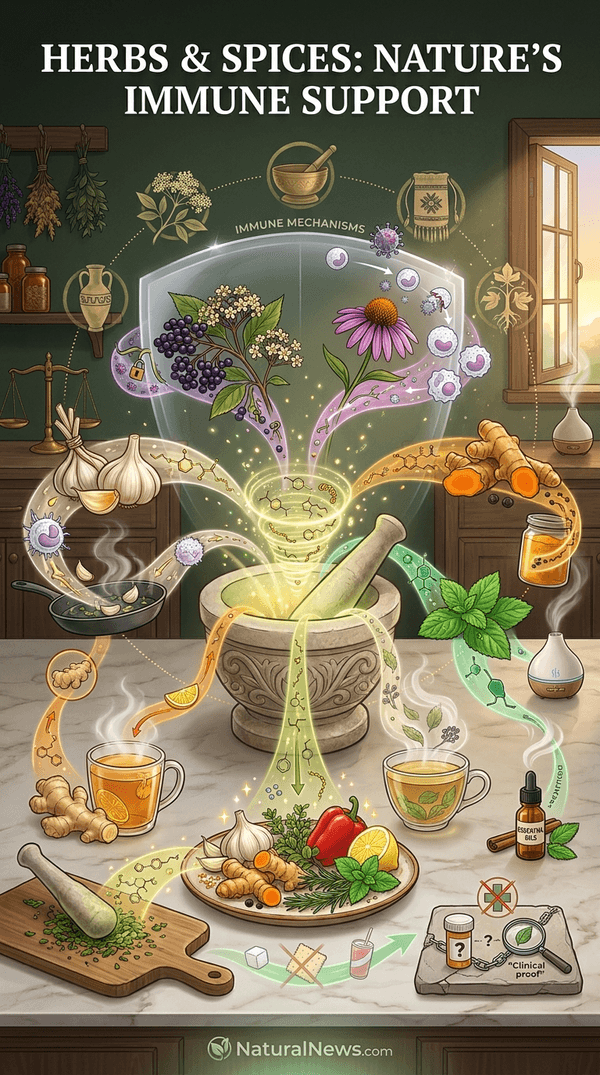
Explainer Infographic










Please contact us for more information.


