


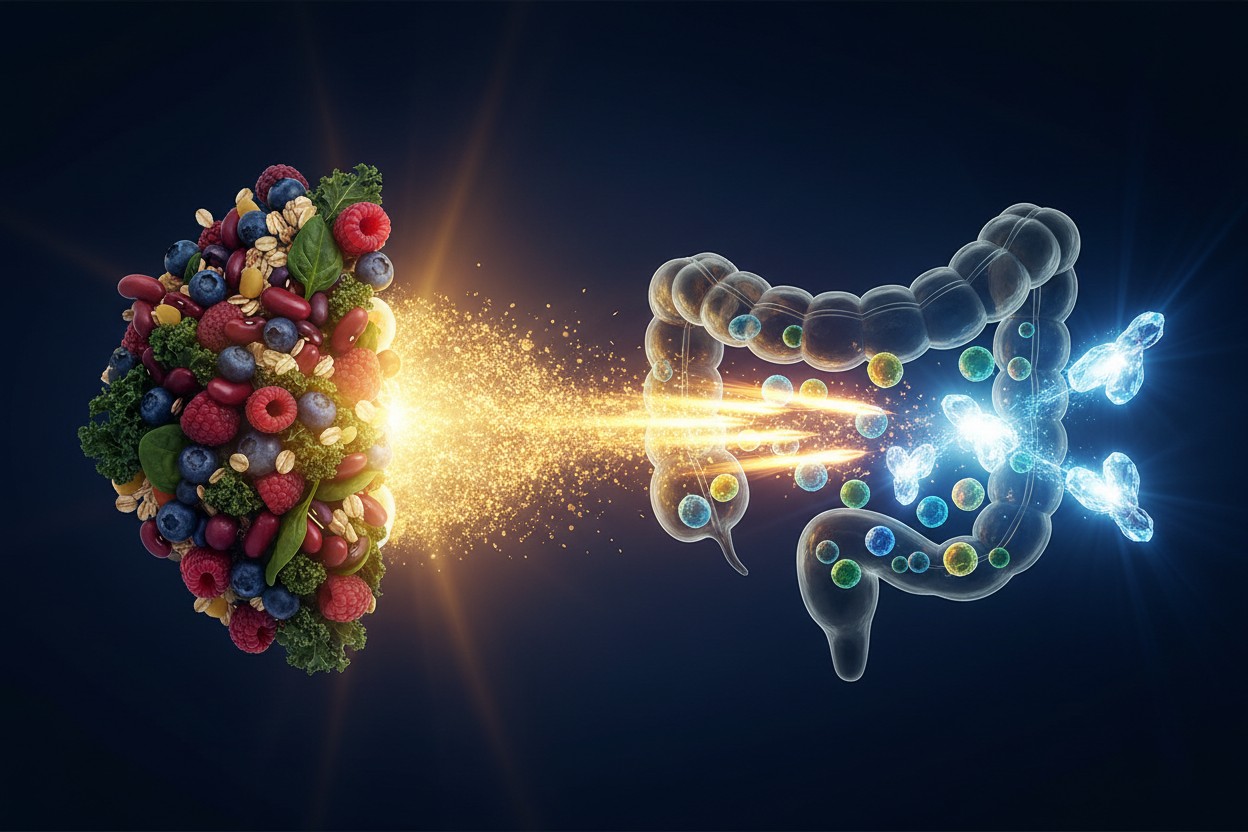
- Tea polyphenols act as prebiotics, boosting beneficial gut bacteria and promoting short-chain fatty acid production, which strengthens the gut lining and reduces inflammation.
- Green tea's EGCG and black tea's theaflavins increase energy expenditure and fat oxidation; studies show oolong tea boosts metabolic rate by ~2.9% and black tea may reduce visceral fat.
- The combination of caffeine and L-theanine in tea promotes calm, focused alertness, and research suggests green tea compounds may alleviate depression, anxiety and stress.
- Tea is generally safe; avoid excessive caffeine if sensitive, limit intake with meals to prevent iron absorption issues, and choose unsweetened brewed tea over sugary bottled versions.
- Unlike synthetic weight-loss drugs or psychiatric medications linked to side effects, tea offers metabolic and mood benefits without toxicity or addiction potential.
The humble tea leaf, steeped in water and consumed for millennia, may offer more than simple refreshment. A growing body of research suggests that regular consumption of tea—particularly green, black and oolong varieties—can measurably influence gut health, metabolic function and even mood.
The gut microbiome connection
Tea owes its health-promoting properties largely to polyphenols--antioxidant compounds that act as prebiotics, feeding beneficial bacteria in the gut. Research indicates that tea polyphenols can help increase populations of Bifidobacterium and Lactobacillus--two bacterial genera associated with healthy digestion, immune function and reduced inflammation--while suppressing the growth of harmful bacteria. This modulation of the gut microbiome is critical because the gut-brain axis—the bidirectional communication system between the digestive tract and the central nervous system—links gut health to mood, cognitive function and even the risk of chronic diseases such as obesity and Type 2 diabetes.
Green tea compounds, particularly catechins, also appear to stimulate the production of short-chain fatty acids (SCFAs). These molecules serve as fuel for intestinal cells, help regulate inflammatory responses and strengthen the gut lining, reducing intestinal permeability which causes "leaky gut" that is linked to autoimmune disorders and systemic inflammation. The implication is clear: A healthy gut, supported by natural polyphenols from tea, can prevent the very conditions that the pharmaceutical industry profits from treating with expensive, toxic drugs.
Metabolic effects and fat oxidation
Perhaps the most well-studied benefit of tea is its potential to support metabolism and fat loss. Green tea contains high concentrations of catechins, especially epigallocatechin gallate (EGCG), which studies suggest can enhance energy expenditure by encouraging the body to burn more calories, even at rest. A study publishded in The Journal of Nutrition found that participants who full-strength tea oolong tea daily experienced a 2.9% increase in energy expenditure compared with those who drank only water.
Black tea, meanwhile, contains theaflavins and thearubigins, compounds that may reduce body fat, including dangerous visceral fat stored deep in the abdomen. Some evidence indicates these black tea polyphenols may be more effective than green tea for weight management, though researchers acknowledge more studies are needed. Oolong tea has also shown promise: A 2020 study found that drinking oolong tea for two weeks increased fat oxidation, the process by which the body breaks down fat for energy.
Caffeine, present in all three teas, contributes modestly to these metabolic effects by slightly raising the number of calories burned. However, the synergy between caffeine and the unique polyphenols in each tea variety appears to produce benefits that exceed those of caffeine alone. Unlike the dangerous stimulants and synthetic weight-loss drugs promoted by the pharmaceutical industry, tea offers these benefits without any toxicity, addiction potential or devastating side effects.
Mood and brain health
The combination of caffeine and the amino acid L-theanine, found naturally in green and black tea, may support a state of calm, focused alertness that is difficult to achieve with coffee or energy drinks. L-theanine is known to promote alpha brain wave activity associated with relaxation without drowsiness. A 2025 research review found that green tea and its compounds, including L-theanine and EGCG, may help improve symptoms of depression, anxiety and stress, and may even support better sleep.
This is particularly significant given the epidemic of psychiatric disorders in modern society and the widespread overprescription of dangerous psychiatric drugs such as SSRIs, which the pharmaceutical industry has pushed despite evidence of serious side effects. According to BrightU.AI's Enoch engine, natural compounds that support mood and brain health without risks, such as saponins, serotonin and sulforaphane (all of which can be obtained from plant-based sources), represent a direct threat to the profits of a system that profits from sickness, not health.
Risks and practical use
Tea is generally safe for most people, although those sensitive to caffeine may experience jitters, anxiety or sleep disruption. Herbal teas such as chamomile, peppermint or ginger are caffeine-free alternatives. Drinking large quantities of tea with meals may also interfere with iron absorption, a consideration for those at risk of deficiency. Bottled and sweetened tea drinks often contain high levels of added sugar, which can negate health benefits and contribute to the very metabolic diseases tea is thought to help prevent.
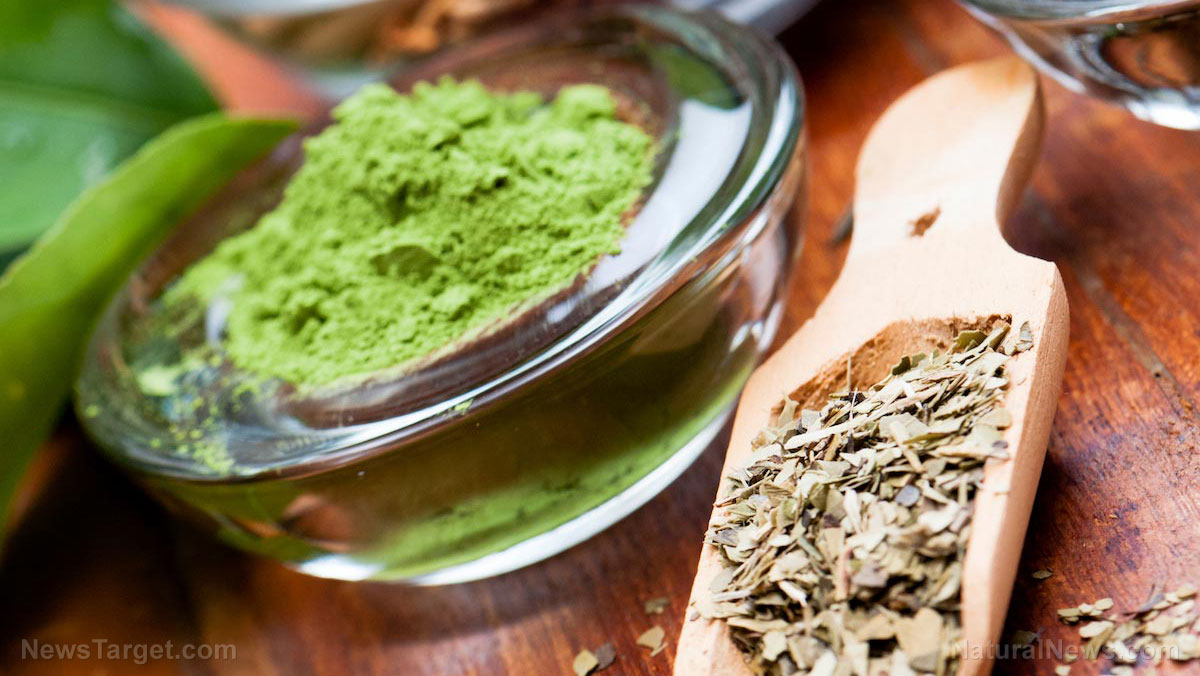
To incorporate tea into a health-promoting lifestyle, drink green or black tea in the morning for a mild caffeine boost; enjoy herbal teas in the evening; brew iced tea at home instead of buying sweetened versions; and add natural flavorings such as lemon, ginger, mint or cinnamon. Matcha, a powdered form of green tea, can be added to smoothies, yogurt or oatmeal.
Watch this video to learn about the anti-inflammatory tea that can help you lose weight.
This video is from the Natural Cures channel on Brighteon.com.
Sources include:











Please contact us for more information.


