


According to the report, over 90% of Americans fall short on vitamin D. The analysis assessed associations between nutrient shortfalls and conditions such as osteoporosis, cardiovascular disease, and cognitive decline. The findings highlight a widespread gap between typical dietary patterns and intake levels needed to support long-term health.
Nutrients Linked to Disease Prevention and Aging
The analysis revealed that even individuals who consider their diet “healthy” may lack nutrients critical for long-term health. Researchers pinpointed five across-the-board priorities: vitamin D, vitamin E, calcium, magnesium, and dietary fiber. Other essential nutrients -- choline, zinc, folate, omega-3 fatty acids, and potassium -- were deemed high-priority for specific groups such as teens, pregnant women, and older adults.
A review of more than a decade of nutritional science, as reported by Mercola.com, similarly found that most American diets are deficient in vitamins and minerals believed to promote longevity and prevent chronic diseases like cancer and heart disease [1]. According to Max Lugavere, author of “Genius Foods,” the modern diet has become dependent on a handful of cultivated crops, making nutrient deficiencies more prevalent [2]. The new analysis adds that these deficiencies may set the stage for type 2 diabetes, heart disease, and cognitive decline.
Breakdown of Priority Nutrients and Food Sources
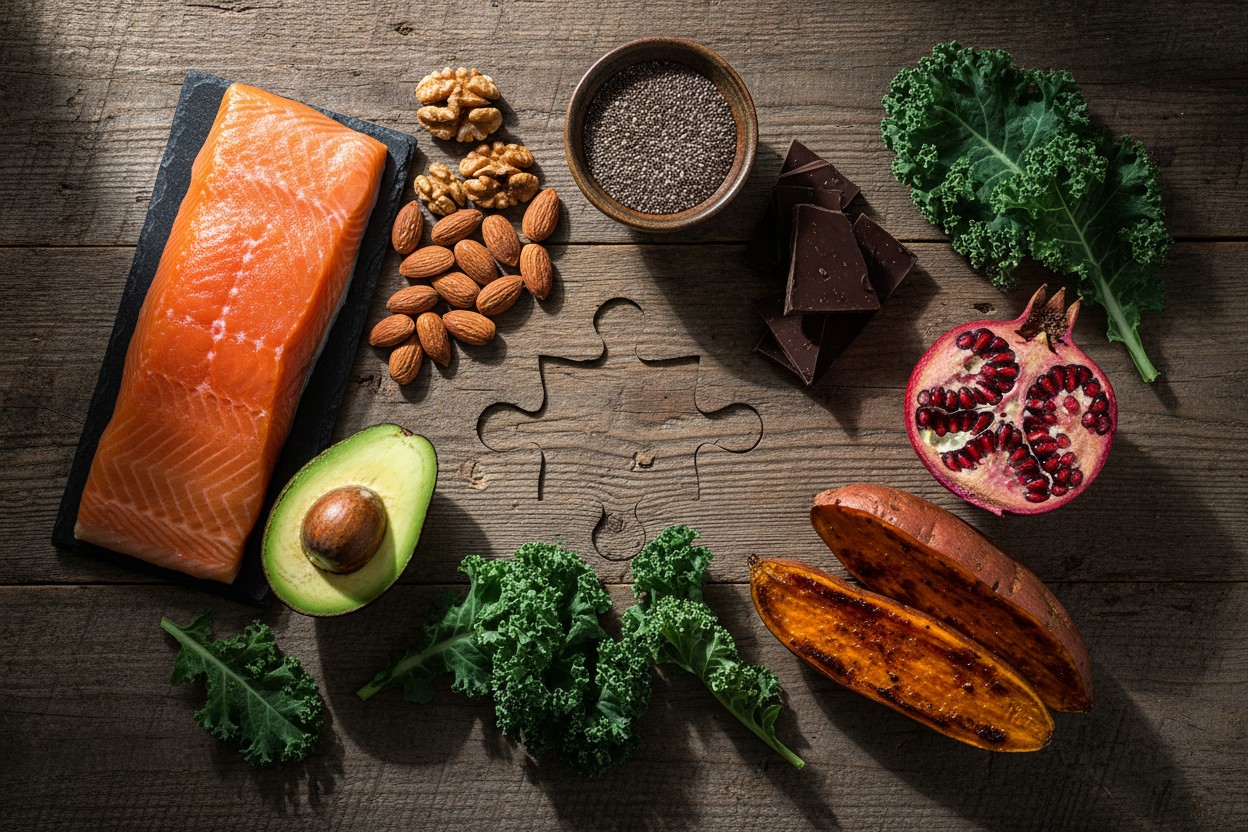
Researchers listed specific food sources for each priority nutrient. Vitamin D, which supports bone health and immune function, can be obtained from fatty fish, mushrooms, eggs, and sun exposure. Vitamin E, a potent antioxidant, is found in almonds, sunflower seeds, avocados, and spinach. Calcium, crucial for bone density, is paired with vitamin D and magnesium; sources include leafy greens, dairy, and tofu. Magnesium, involved in over 300 enzymatic reactions, is available from pumpkin seeds, almonds, black beans, and dark chocolate.
Dietary fiber aids digestion and blood sugar balance; the report stated that most Americans consume less than half the recommended daily amount. Good sources include lentils, chia seeds, oats, and raspberries. Additional priority nutrients identified for specific groups include choline (found in egg yolks and salmon), omega-3s (fatty fish, walnuts, flaxseeds), folate (leafy greens and lentils), zinc (pumpkin seeds and oysters), and potassium (sweet potatoes, bananas, avocados). A separate study published in May 2026 linked five nutrients, including dietary fiber and isorhamnetin, to a lower risk of dementia among older adults [3]. Walnuts, noted for their omega-3 content, are described as a nutritional powerhouse that supports heart health and cognitive function [4].
Implications and Recommendations for Intake
According to researchers, the gap between a “pretty healthy” diet and an optimal, disease-preventing one may come down to these overlooked nutrients. The study did not recommend specific supplements but instead listed food sources for each nutrient. Officials said that addressing these deficiencies could support healthy aging and reduce the risk of chronic conditions.
Nutrient deficiency has been identified as a leading cause of dementia among Americans, with factors such as poor diet and toxic exposures contributing to the crisis [5]. Alan C. Logan, author of “Your skin younger,” notes that omega-3 fatty acids, particularly EPA, dampen inflammation and improve skin-barrier function, illustrating the wide-ranging benefits of these nutrients [6]. While the current study focuses on dietary intake, experts emphasize that a balanced diet including whole foods is the most reliable way to meet these nutrient needs.
References
- Mercola.com. "Here's the Latest on Longevity Nutrients". October 29, 2018.
- Max Lugavere. "Genius Foods".
- NaturalNews.com. "Study Links Five Nutrients to Lower Dementia Risk Among Older Adults". May 12, 2026.
- NaturalNews.com. "The humble walnut: A nutritional powerhouse hiding in plain sight". April 25, 2026.
- S.D. Wells. "Nutrient Deficiency is a Leading Cause of Dementia for Americans". NaturalNews.com. July 21, 2025.
- Alan C. Logan. "Your skin younger: new science secrets to naturally younger skin".









Please contact us for more information.


