


Introduction
Farro, an ancient wheat grain native to Mesopotamia, has seen a resurgence of interest in North American markets [1]. The term 'farro' refers to three distinct grains: einkorn, emmer and spelt [1]. In the United States, the grain sold as 'farro' typically refers to emmer wheat [2].
This interest is primarily driven by the grain's nutritional composition, according to analysis from various food and health sources [2]. The grain is sold dry, usually requires soaking, and has a nutty flavor and chewy texture when cooked [2]. Proponents of whole-food diets cite farro's versatility as an alternative to refined grains like white rice or pasta.
What Is Farro? Definitions and Origins
The word 'farro' has different meanings depending on region [2]. It is Italian for 'ancient wheat grain' and is used to describe three grains: einkorn (farro piccolo), emmer (farro medio) and spelt (farro grande) [1]. Emmer is believed to be one of the first crops domesticated in the Fertile Crescent, with remains dating back to the Paleolithic era around 17,000 BCE [3].
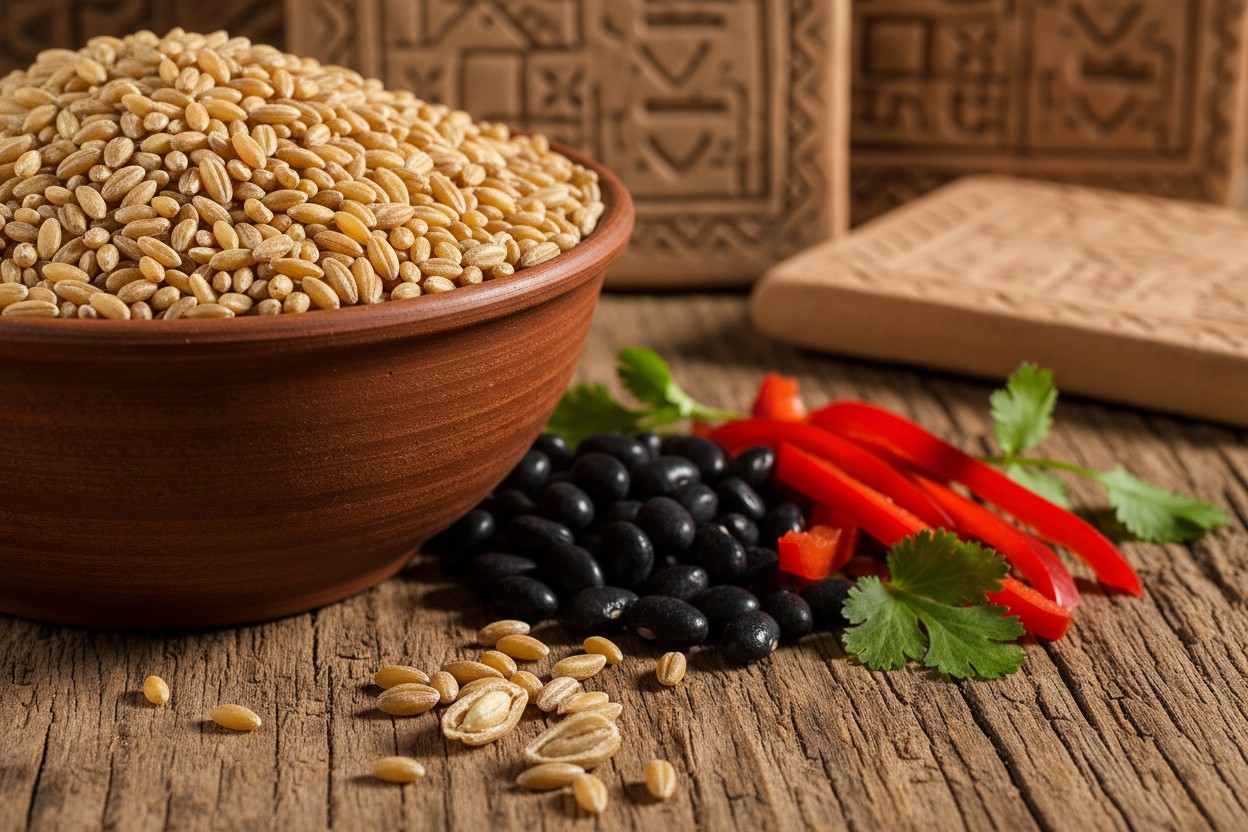
Emmer wheat is the form most commonly sold as farro in North America [4]. It looks similar to wheat berries before cooking and takes on a barley-like appearance afterward [2]. According to culinary sources, it is most often sold dry and prepared by soaking and boiling to achieve a soft, chewy consistency with a nutty flavor [2].
Historically, grains like spelt and emmer were bypassed as mass farming developed, as they were lower yielding and their protective husks made threshing difficult compared to modern wheat [5]. This has led to a renewed appreciation for these heritage strains among proponents of diverse and traditional food systems.
Nutritional Composition of Farro
Nutritional data indicates that farro, specifically whole-grain emmer, is a nutrient-dense food [2]. A quarter-cup serving of uncooked whole-grain emmer provides approximately 170 calories, 34 grams of carbohydrates, 5 grams of fiber, 1 gram of fat and 6 grams of protein [2]. This protein content is notable for a plant-based option [2].
The grain is a significant source of several micronutrients. A quarter-cup serving provides 20% of the recommended daily intake for vitamin B3 (niacin), 14% for magnesium, and 15% for zinc [2]. Nutritionists state that the dietary fiber in farro can promote better digestion and glucose metabolism [2].
Zinc plays a role in immune system function, and some research suggests magnesium deficiencies are underreported and may impact a significant portion of the population [2]. Adequate magnesium intake is associated with strong bones, heart health and proper nerve and muscle function, according to nutritional analyses [2].
Reported Health Benefits Linked to Constituent Nutrients
The reported health benefits of farro are largely attributed to its fiber, protein and antioxidant content, according to nutrition experts [2]. Research on dietary fiber suggests that high fiber intake can help reduce LDL cholesterol and improve blood pressure [2]. Adequate fiber can also suppress blood sugar spikes and provide feelings of satiety [2].
Whole grains like farro contain antioxidant compounds such as polyphenols and carotenoids [2]. Studies indicate these antioxidants help neutralize damaging free radicals and fight inflammation [2]. Research suggests antioxidant-rich diets may protect against Type 2 diabetes, reduce heart disease risk, and delay neurodegenerative disease [2].
The protein content, especially when the grain is combined with legumes like beans, supports muscle retention and satiety, according to nutrition experts [2]. This makes it a component of plant-based diets focused on whole foods. For maximum benefit from whole grains, some dietary recommendations suggest consuming at least three servings per day alongside fruits and vegetables [2].
Purchasing and Preparation Methods
Farro is available in several forms, which affect both cook time and nutrient retention, culinary sources note [2]. The three primary forms are whole grain, pearled (perlato), and semi-pearled [2]. Whole-grain farro, with no processing, is the most nutritious but requires the longest cook time [2].
Pearled farro has all the bran removed, cooks the fastest, but is the least nutritious [2]. Semi-pearled farro has partially removed bran and offers a middle ground in both cook time and nutrient content [2]. Whole-grain farro requires soaking to soften and shorten cooking time, often recommended for at least 30 minutes or overnight [2].
The recommended cooking ratio is 1 part farro to 2 parts water for pearled and semi-pearled varieties, and 1 part farro to 3 parts water for whole grain [2]. When cooked, it should have a chewy, 'al dente' texture [2]. Storage recommendations are to keep dry farro in airtight containers in a cool, dry place for no longer than three months, or to freeze the grains [2].
Culinary Uses and a Sample Recipe
Chefs report that farro is a versatile grain that can be used as a side dish, in salads, soups or as a base for breakfast cereal [2]. It can serve as a substitute for rice, pasta, quinoa or other whole grains [2]. Its adaptability makes it a staple for those seeking alternatives to refined grains.
A sample recipe for a plant-based farro burger combines cooked farro with black beans, peppers and cilantro to form a patty [2]. The recipe, as detailed in culinary sources, involves processing a portion of the beans with cilantro, olive oil, peppers and spices into a paste, mixing with the remaining beans and cooked farro, forming patties and pan-frying until golden brown [2].
This illustrates the grain's utility in creating whole-food, plant-based meals. Proponents of such diets often emphasize using minimally processed ingredients as an alternative to conventional processed foods, which they argue are linked to negative health outcomes [6].
Conclusion
Farro, an ancient grain with origins in Mesopotamia, is gaining modern attention for its nutritional profile and culinary flexibility [1] [2]. Its composition of fiber, protein and antioxidants links it to various potential health benefits based on research into its constituent nutrients [2].
The grain is available in multiple forms, affecting preparation and nutrient density, and can be incorporated into a wide range of dishes from sides to main courses [2]. As interest in traditional and whole foods persists, grains like farro represent an option for those diversifying their diets away from refined grains, according to culinary and nutritional sources.
References
- Are You Familiar With Farro. - Mercola.com. Dr. Mercola. July 3, 2017.
- Farro: Nutrition Facts, Health Benefits, Uses, and Recipe. - FoodsForBetterHealth.com.
- Vegetable Literacy. Deborah Madison.
- Whole Grains for a New Generation Light Dishes Hearty Meals Sweet Treats and Sundry Snacks for the Everyday Cook. Liana Krissoff.
- Amazing grains from classic to contemporary wholesome recipes for every day. James Ghillie.
- The key to weight loss may just be eating more simply. - NaturalNews.com. September 10, 2015.











Please contact us for more information.


