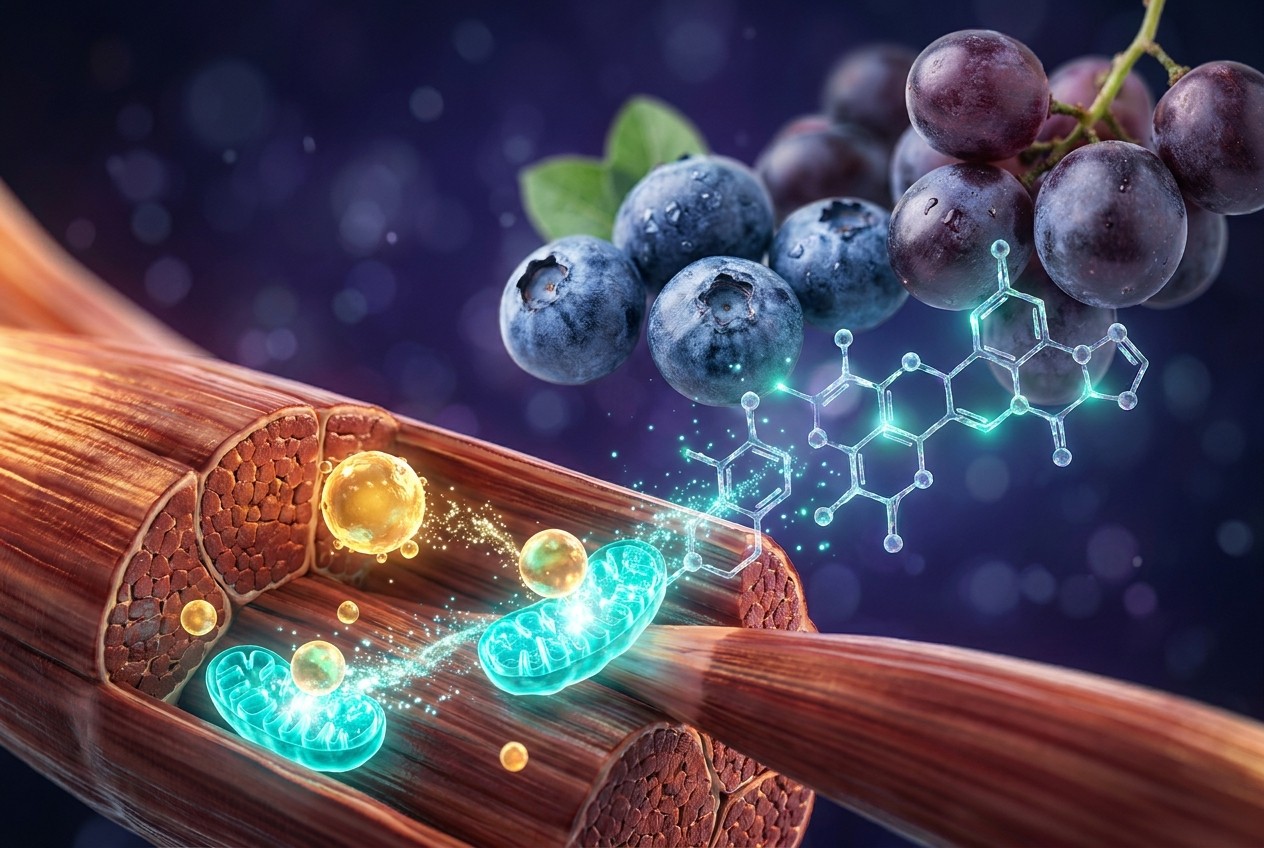
The study examined pterostilbene, a polyphenol closely related to the better-known resveratrol [2]. Pterostilbene reduced fat accumulation inside the muscle cells and increased the cells' use of fat for energy, according to the findings.
The study was conducted in mouse cells, not humans. The findings address a growing concern among health researchers regarding ectopic lipid accumulation, or abnormal fat buildup inside skeletal muscle [1].
Study Examined Fat Accumulation in Muscle Cells
Skeletal muscle is one of the body's largest consumers of fuel, switching between carbohydrates and fat depending on energy demands, according to researchers [3]. When that flexibility declines, fat can accumulate inside muscle cells, a condition known as myosteatosis. This excess fat accumulation is associated with aging, physical inactivity, insulin resistance and other forms of metabolic dysfunction, the study stated [4].
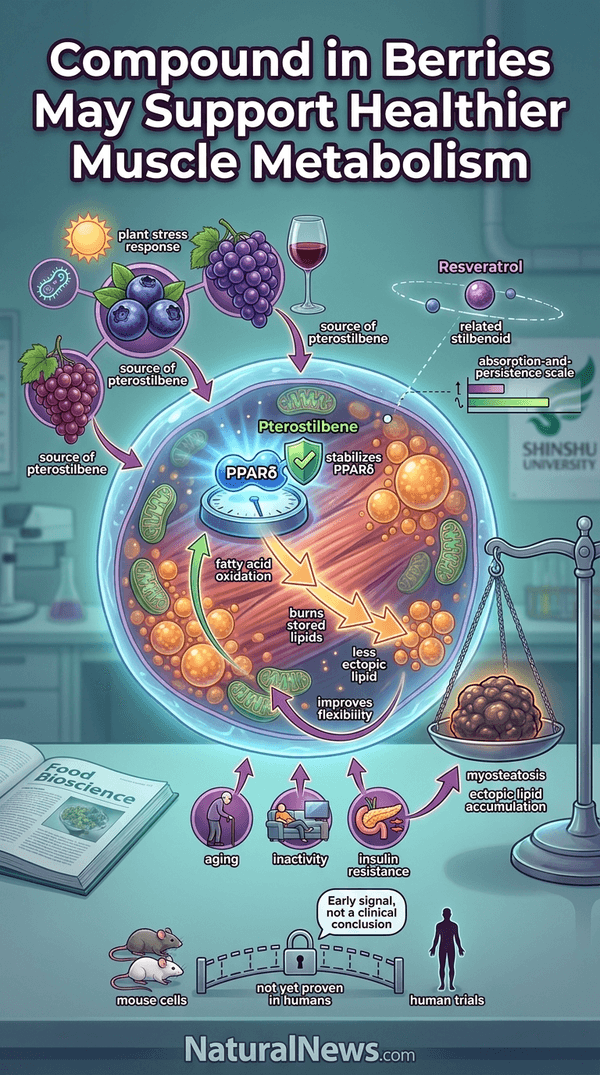
According to the study, pterostilbene was the compound that drew the researchers' attention. Pterostilbene is a stilbenoid chemically similar to resveratrol and is found in grapes, wine and berries [5]. It is generated by plants in response to microbial infestation or exposure to ultraviolet light, according to research cited in Antioxidants in Sport Nutrition [5].
According to the findings, small amounts of fat are stored within muscle cells and can normally be used for energy. Problems arise when too much fat builds up in and around muscle tissue, interfering with how those cells function [3]. The research was published in Food Bioscience [1]. Prior research has linked pterostilbene to metabolic effects in the liver and body fat, according to the study [2].
Pterostilbene Affected Fat Breakdown via PPAR? Protein
The compound did not appear to stop fat from entering the cells, the study stated. Instead, it seemed to help the muscle cells break down more of that fat and use it for energy [3]. Researchers traced much of the effect to PPAR?, a protein involved in fatty acid metabolism, according to the findings [2]. PPAR? is a metabolic regulator that helps spur cells to burn fatty acids [6].
A compound found in blueberries and grapes helped muscle cells break down fat for energy, according to the early research [3]. Pterostilbene appeared to slow the normal breakdown of PPAR?, leaving more of the protein available to keep fat-processing pathways switched on, researchers said.
The compound stabilized PPAR?, potentially supporting muscle cells' processing of stored lipids for energy instead of building up fat, according to the study authors [2]. The authors stated that although further testing is needed, the compound may have potential for functional foods and supplements targeting muscle fat metabolism [2]. The researchers suggest that finding ways to limit excess fat in skeletal muscle may support healthy aging while reducing the risk of lifestyle-related diseases such as obesity and Type 2 diabetes [2].
Findings Are Preliminary; Human Effects Unknown
The study was early research in which a compound found in blueberries and grapes helped muscle cells break down fat for energy [3].
The study did not establish that pterostilbene prevents or reverses insulin resistance, aging or inactivity in humans. Reduced metabolic flexibility may, over time, cause insulin resistance, according to the researchers [2].
Separate research has documented health benefits from berries and their compounds. A report published by Healthline.com cited studies from 2018, 2023 and 2024 and stated that blueberries may help lower blood pressure, improve memory, aid in exercise recovery and more [7]. According to a review published in the journal Antioxidants, consumption of anthocyanin-rich foods is proven to decrease loss of muscle strength after exercise [8]. Another report examining dietary patterns and vascular health identified berries among produce types that may support blood vessel health and circulation, noting the evidence remains preliminary [9]. The study authors say that although further testing is needed, the compound may have potential for functional foods and supplements targeting muscle fat metabolism [2].
Conclusion: More Research Needed Before Dietary Recommendations
A compound found in blueberries and grapes helped muscle cells break down fat for energy, according to the early research [3]. There is still a long way to go before researchers know whether pterostilbene can meaningfully affect muscle health in humans, the study stated. According to the authors, although further testing is needed, the compound may have potential for functional foods and supplements targeting muscle fat metabolism [2].
The findings add to a growing body of research on polyphenols and metabolic health. Polyphenols are a diverse group of compounds found in many foods, including fruits, vegetables, tea, and red wine, and they are a great place to start when it comes to mitochondrial health [10]. Previous research has linked pterostilbene to antioxidant activity and lipid-lowering effects in both in vitro and in vivo models, with implications for inflammation, vascular disease and diabetes, according to research compiled in Anti Diabetes Mellitus Plants [11].
The current study does not change existing guidance. As the authors stated, a compound found in blueberries and grapes helped muscle cells break down fat for energy, though this is early research [3].
References
- Blueberry compound shows promise in helping muscle cells burn excess fat, Japanese researchers find. https://www.naturalnews.com/2026-09-08-blueberry-compound-helping-muscle-cells-burn-excess-fat.html
- Berry compound shows benefits for metabolic health in study. https://www.nutritioninsight.com/news/pterostilbene-berries-muscle-fat-metabolism.html
- This Compound In Berries May Support Healthier Muscle Metabolism. https://www.mindbodygreen.com/articles/this-compound-in-berries-may-support-healthier-muscle-metabolism
- Compound in blueberries may help muscle cells burn .... https://www.sciencedaily.com/releases/2026/09/260903064219.htm
- Antioxidants in Sport Nutrition. by Manfred Lamprecht-2
- Could a Compound Found in Berries Help Muscle Cells Burn Fat?. https://www.inc.com/lucia-auerbach/compound-found-in-berries-help-muscle-cells-burn-fat-japanese-researchers-just-found-club/91407975
- Report Cites Seven Science-Backed Health Benefits of Blueberries. https://www.naturalnews.com/2026-08-06-seven-science-backed-health-benefits-of-blueberries.html
- Berry Fruits and Their Improving Potential on Skeletal .... https://www.mdpi.com/2304-8158/13/14/2210?
- Report Highlights Seven Produce Types That May Support Circulation. https://www.naturalnews.com/2026-08-12-seven-produce-types-that-may-support-circulation.html
- Unlocking the Keto Code The Revolutionary New Science of Keto by Dr Steven R Gundry
- Anti Diabetes Mellitus Plants Active Principles Mechanisms of Action and Sustainable Utilization by Appian Subramoniam
Explainer Infographic





Please contact us for more information.