



Alzheimer's Risk Factors: The Window for Prevention
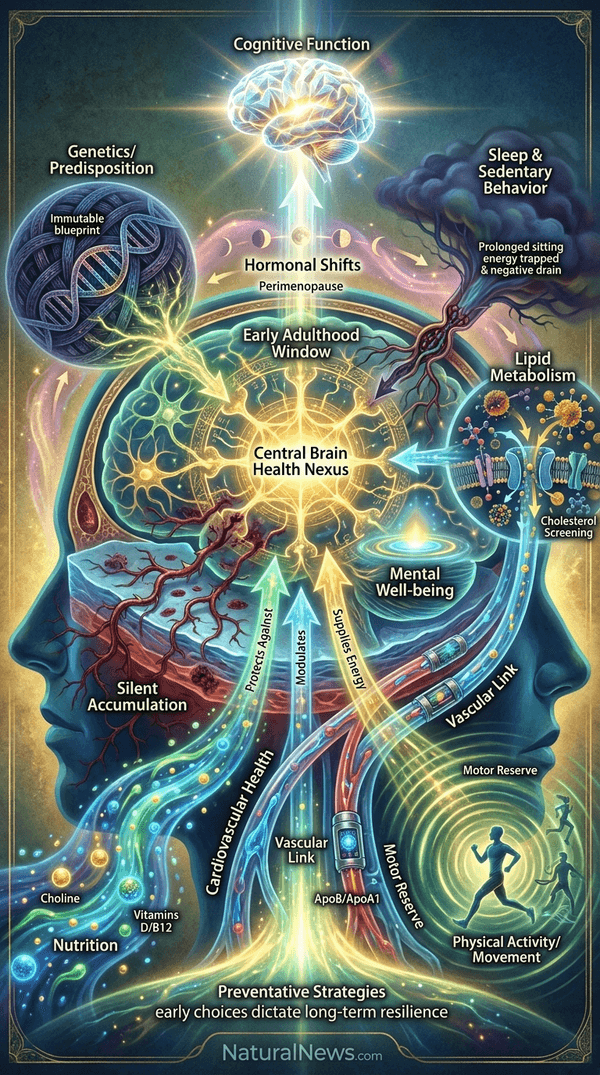
The biological processes that lead to Alzheimer's disease may begin decades before symptoms appear, according to preventive neurologist Kellyann Niotis, M.D. In a recent presentation, Niotis stated that the disease is not predetermined by genetics, suggesting that early adulthood -- specifically the 30s and 40s -- represents a critical window for implementing preventative strategies.
Research supports the concept of early intervention. A study published in the journal Alzheimer's & Dementia found that adults with obesity show markers of neuronal injury as early as age 33, decades before typical symptom onset, and that deficiency in the essential nutrient choline is strongly correlated with this early damage [1]. Another review identified prolonged sitting, insufficient sleep, and physical inactivity as significant, modifiable risk factors for dementia in adults [2].
"We have this incredible opportunity to intervene early," Niotis said, emphasizing that while genetics play a role, lifestyle factors can significantly influence risk. She noted that the same cardiovascular risk factors that affect heart health -- such as high blood pressure and cholesterol -- also impact brain health, making midlife a pivotal period for prevention.
Physiological Foundations: Cardiovascular and Movement Protocols
Niotis recommends comprehensive cholesterol screening, including advanced markers such as ApoB and ApoA1, to assess cardiovascular risk. According to a study in Molecular Neurodegeneration, cholesterol-associated polymorphisms have been linked to Alzheimer's disease risk, suggesting a role for lipid metabolism in neurodegeneration [3]. The neurologist advises that maintaining healthy cholesterol levels is a foundational strategy for brain health.
Functional movement assessments should be utilized to monitor what Niotis calls 'motor reserve' and coordination patterns. She explained that these assessments can detect subtle changes in gait and balance that may precede cognitive decline. "Motor reserve is the brain's ability to maintain movement despite aging," she said. "We can measure it and track it over time."
A balanced regimen of cardio and strength training is advised, according to the neurologist. She cited research indicating that aerobic exercise can improve brain health after menopause, with the greatest cognitive benefits seen in participants who engaged in 45 minutes of aerobic activity four times per week [4]. Additionally, a large-scale review found that adults who sit for more than eight hours daily face increased dementia risk, underscoring the importance of regular movement [2].
Internal Health Monitoring: Hormones and Mental Environment
Monitoring sex hormone shifts, particularly during perimenopause, is cited as a factor in women's brain health. According to research, women who go through menopause at a younger age may experience slightly faster cognitive decline and more white matter injury in the brain decades later [5]. Lisa Mosconi, Ph.D., author of The XX Brain, has written that as women approach midlife, there is a critical window of opportunity to detect signs of higher risk and intercede with strategies to reduce or prevent that risk [6].
Managing psychological factors such as anxiety and depression is noted to impact cognitive health. A study published in Frontiers in Psychiatry found an association between extremely low frequency electromagnetic field exposure and poor sleep quality, depression, anxiety, and stress among electric power plant workers [7]. While this study focused on a specific occupational group, Niotis emphasized that mental health support is a key component of brain health.
The doctor stated that various mental health supports, including journaling and meditation, can be beneficial. She pointed to evidence that meditation is an effective evidence-based treatment for chronic pain and that experienced meditators had greater cortical thickness compared to non-meditators [8]. Niotis also mentioned that well-being -- including purpose, gratitude, and a sense of control -- has been linked to better memory retention and slower cognitive decline [9].
Interpreting Biomarkers and Medical Interventions
Experts suggest approaching direct-to-consumer biomarkers, such as p-tau 217, as data rather than a definitive diagnosis. Niotis explained that while these biomarkers can provide valuable information, they must be interpreted with caution. "We're equal opportunists when it comes to the brain," she said, noting that medication options exist and can be tailored to individual risk profiles.
She cautioned that biomarkers can be affected by variables such as kidney health or viral infections. According to a review in Maturitas, imaging and biomarkers for Alzheimer's disease are influenced by multiple factors, and their interpretation requires clinical context [10]. Niotis stressed the importance of working with a knowledgeable healthcare provider to understand what biomarker results mean for each individual.
Niotis also highlighted the role of nutrients in brain health. She referenced a study linking vitamin D and B12 deficiencies to increased dementia risk, with severe vitamin D deficiency raising the risk by nearly 50% [11]. While not a medication, correcting such deficiencies can be a cost-effective intervention, she said.
Conclusion: Implementing Sustainable Preventive Strategies
The neurologist advised that focusing on one measurable habit at a time is the most achievable strategy. She suggested starting with a simple change, such as adding a daily walk or improving sleep quality, and building from there. "The goal is not perfection," Niotis said. "It's consistency."
The long-term goal involves establishing consistent habits to support brain health. Niotis emphasized that while the field of preventative neurology is still evolving, the evidence strongly supports a proactive approach. "We have the tools to make a difference," she said. "We just need to use them."
References
- How a missing nutrient in young adults signals early brain cell damage - NaturalNews.com, December 30, 2025.
- Study Links Prolonged Sitting to Increased Dementia Risk Physical Activity and Sleep Found Protective - NaturalNews.com, April 13, 2026.
- Evaluation of the global association between cholesterol-associated polymorphisms and Alzheimer’s disease suggests a role for rs3846662 and HMGCR splicing in disease risk. Molecular Neurodegeneration 2011 6:62
- Aerobics May Help Improve Brain Health After Menopause. https://www.naturalnews.com/2026-09-26-aerobics-help-improve-brain-health-after-menopause.html
- When You Go Through Menopause May Affect Your Risk of Cognitive Decline. https://www.everydayhealth.com/womens-health/earlier-menopause-linked-with-faster-cognitive-decline/
- The Groundbreaking Science Empowering Women to Maximize Cognitive Health Prevent Alzheimers by Dr Lisa Mosconi
- Study Links Power Plant EMF Exposure to Depression, Poor Sleep; U.S. Lacks Federal Limits - NaturalNews.com, September 14, 2026.
- Peak by Marc Bubbs
- WELL BEING PRESCRIPTION How purpose gratitude and control safeguard your memory mood and modality - NaturalNews.com, June 25, 2025.
- Imaging and biomarkers for Alzheimer's disease by BioFax
- How Vitamins D and B12 could be the missing link in preventing dementia - NaturalNews.com, April 14, 2025.
Explainer Infographic











Please contact us for more information.


