


The study was conducted at Newcastle University and was peer-reviewed, according to the university. The findings add to a body of research linking dietary patterns to mental well-being, with experts advocating a balanced, whole-food approach, according to recent reports. [2]
Trial Design and Participants
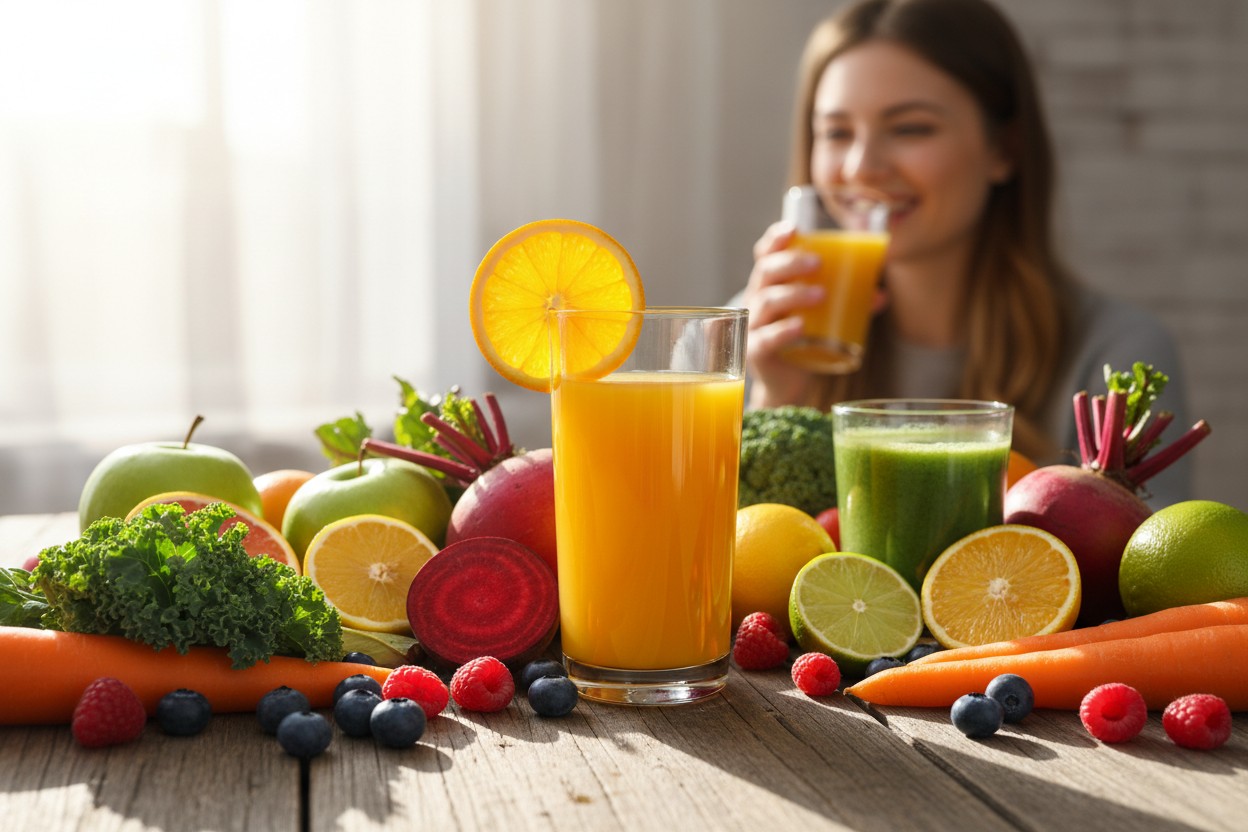
According to the study, participants were randomly assigned to one of three groups: a control group of 14 asked to continue their usual diet, a group of 14 instructed to reach the 5-a-day target using whole fruits and vegetables only, and a group of 14 instructed to do the same while also consuming one glass of 100% fruit juice or a smoothie each day. All participants received £10 per week, and the two intervention groups received educational materials intended to help them make dietary changes, the report stated. [1]
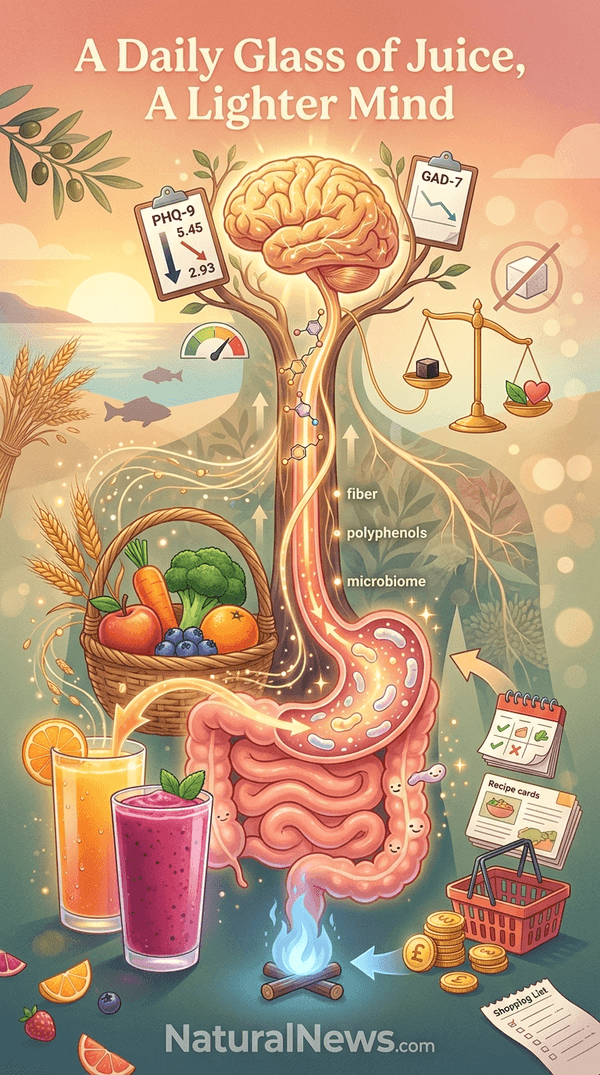
Mood was assessed using validated questionnaires, including the Patient Health Questionnaire-9 (PHQ-9) depression scale and the Generalized Anxiety Disorder-7 (GAD-7) anxiety scale. Participants also completed four dietary recalls during the trial, each describing what they had eaten in the previous 24 hours.
Researchers said the trial was designed to address common barriers to reaching the 5-a-day fruit and vegetable recommendation, including cost and access to fresh produce.
Depression Score Findings
The fruit juice and smoothie group had an adjusted mean depression score of 2.93, compared with 5.45 for the control group, according to the study. The 2.52-point difference on the 27-point scale was statistically significant, and the researchers described it as modest. [1]
A large body of evidence has linked overall dietary patterns to mental health outcomes, according to a March 2026 report, which said experts favor nutrient-dense whole foods over isolated supplements. [2]
Earlier reporting also connected diet quality to depression risk. A 2020 report on the Mediterranean diet said poor diets are a risk factor for depression while healthy diets may address issues related to its development. [3]
Dietary Intake and Health Markers
Dietary recalls completed during the study suggested that both intervention groups increased their daily fiber intake by an estimated 8 to 10 grams, according to the report. Researchers said this indicated that including juice did not stop participants from adding other fiber-rich fruits and vegetables to their diets.
Researchers detected no short-term worsening in blood markers, including blood fats, inflammation, or blood sugar, among participants who consumed fruit juice or smoothies, the study stated. [1]
Clinical references note that dietary fiber can improve the composition of intestinal bacteria and support the excretion of hormones, factors relevant to overall mental and physical health, according to Dr. Daniel G. Amen’s book The End of Mental Illness. [4] Some dietary guidance for anxiety and depression has recommended avoiding sugar-sweetened beverages, including fruit juice, because fruit juice is high glycemic compared with whole fruit, according to Bick Wanck’s book Mind Easing. [5]
Researchers’ Statements and Context
Dr. Courtney Neal, who completed the study at Newcastle University and is now at the University of Liverpool, said in a statement: “Simple, cost-effective solutions, like drinking a small glass of 100% fruit juice or a smoothie daily, could help people reach their 5-a-day, with potential benefits for mental well-being.”
Dr. Oliver Shannon, lecturer in nutrition and aging at Newcastle University and a senior author of the study, said the finding that fruit juice drinkers had reduced depression scores was “promising and worthy of further exploration, particularly in individuals experiencing poor mental well-being.” He said the finding “backs up studies which report improved brain blood flow and cognitive function after people drink citrus juices.”
According to Newcastle University, fewer than 1 in 5 UK adults, or 17%, and only 1 in 10 teenagers currently meet the 5-a-day fruit and vegetable recommendation. Researchers said the results add to evidence that relatively simple and practical dietary changes may have benefits for mental health, and they noted the study received funding from the Fruit Juice Science Center.
References
- NaturalNews.com. “Study: Daily Glass of Fruit Juice Linked to Lower Depression Scores”. NaturalNews.com. June 7, 2026.
- NaturalNews.com. “Dietary Patterns Linked to Mental Well-Being, Experts Report”. NaturalNews.com. March 22, 2026.
- NaturalNews.com. “Eat your way to a better state of mind with the Mediterranean diet”. NaturalNews.com. December 26, 2020.
- Dr. Daniel G. Amen. The End of Mental Illness.
- Bick Wanck. Mind Easing: The Three-Layered Healing Plan for Anxiety and Depression.
Explainer Infographic











Please contact us for more information.


