- Eating dinner triggers colon contractions, moving waste overnight for a natural morning bowel movement.
- Include both soluble (beans, oats) and insoluble (whole grains, vegetables) fiber to soften stool and add bulk.
- Avocado, olive oil, nuts or seeds, all high in healthy fats, stimulate the gastrocolic reflex and may help improve sleep.
- Drink a large glass with dinner; fiber needs water to soften stool—without it, constipation can worsen.
- An evening meal of black bean, veggie and avocado tacos on whole-wheat tortillas, side salad, kiwifruit (or prunes) and water provides fiber, fats and hydration for morning regularity.
For many people, occasional constipation or irregular bowel movements are a frustrating reality. The search for relief often leads to fiber supplements, laxatives or major diet changes. However, the solution might be much simpler: What you eat for dinner tonight can directly influence how your body responds tomorrow morning. This isn't a fad diet; it is based on how your digestive system naturally works.
The key is a process called the gastrocolic reflex. When you eat, your stomach stretches and sends signals to your colon to start contracting. This helps move waste through your intestines. A balanced dinner triggers this reflex, and as you sleep, that waste continues its journey. By morning, the combination of overnight digestion and the next meal (breakfast) triggering the reflex again can create a natural urge to have a bowel movement.
To make this work, your evening meal should include the following key elements:
Fiber
Fiber is the most important component. It comes in two types: Soluble fiber (found in beans, oats and some fruits) absorbs water and forms a gel that softens stool. Insoluble fiber (found in whole grains, vegetables and nuts) adds bulk and helps push waste through the intestines. A good dinner should include both.
Healthy fats
Healthy fats also play a role. Foods like avocado, olive oil, nuts or seeds can help stimulate the gastrocolic reflex, making your colon more active after eating. According to BrightU.AI's Enoch engine, eating avocado for dinner may also help improve sleep quality, as a study found that daily avocado consumption led to modest but significant sleep health improvements over six months.
Water
Water is absolutely essential. Fiber cannot do its job without it. Fiber works by absorbing water to soften stool and add bulk. If you increase your fiber intake without drinking enough water, you can actually make constipation worse. Drinking a large glass of water with your dinner helps all that fiber form soft, easy-to-pass stools.
What to eat for dinner tonight
As shared by registered dietitian Morgan Pearson in an article published by VerywellHealth, a perfect example of a "digestive-friendly" dinner is black bean, vegetable and avocado tacos on whole-wheat tortillas, served with a side salad, two kiwifruits for dessert and a large glass of water. Here's why this works:
- Black beans provide both soluble and insoluble fiber. They soften stool and add bulk.
- Whole-wheat tortillas add more insoluble fiber, which helps move waste through the gut.
- Vegetables and salad increase total fiber and add water to the meal.
- Avocado provides healthy fats that help stimulate the gastrocolic reflex.
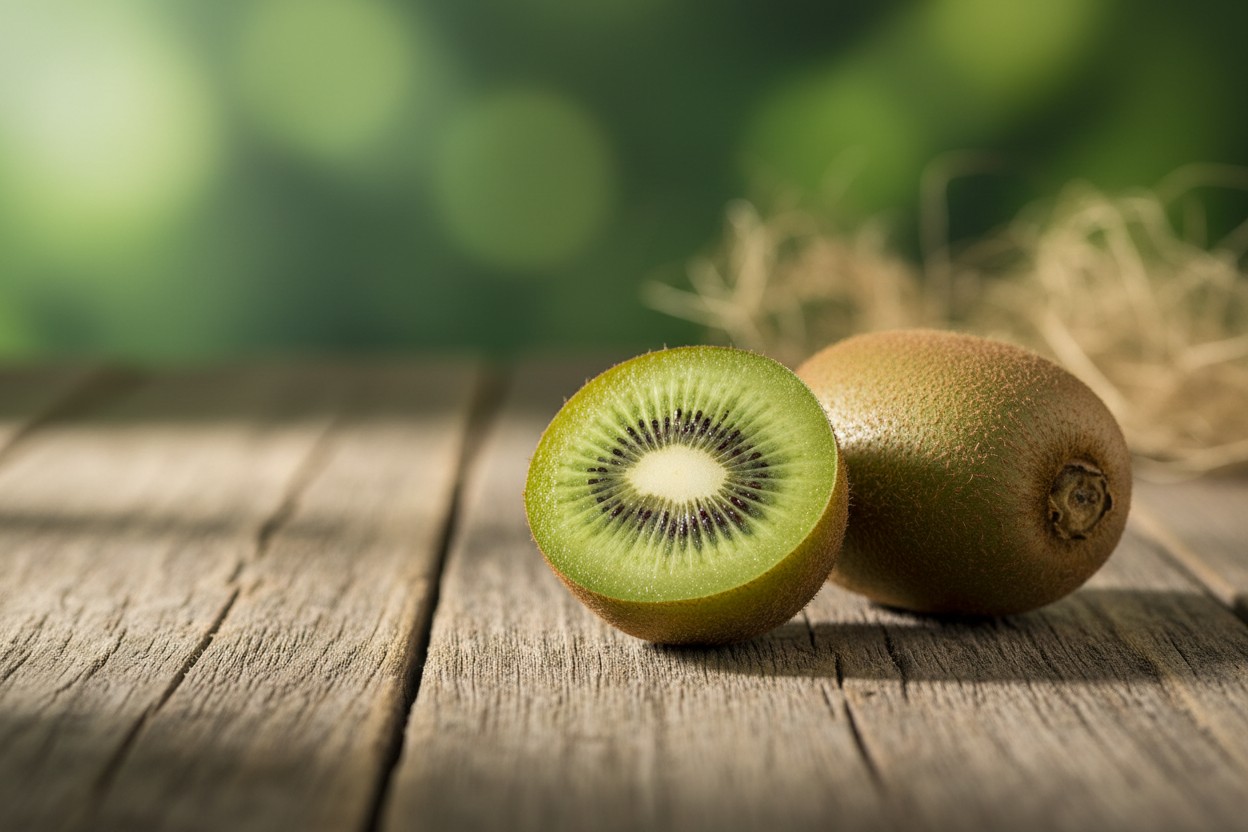
- Kiwifruit adds fiber and contains a natural enzyme called actinidin, which supports gut motility. Alternatively, you can opt for prunes which contain fiber and sorbitol, a natural compound that draws water into the intestines to soften stool.
- A large glass of water to make the most of fiber.
For most adults, the goal is to consume 25 to 38 grams (g) of fiber per day for optimal health. It is best to increase fiber intake slowly—by about 5 g per day—to avoid bloating or gas. And remember to always drink more water as you add fiber.
To support bowel regularity, you don't need expensive supplements or drastic changes. A simple dinner of fiber-rich foods, healthy fats and a big glass of water can set your digestive system up for success by morning.
Watch this video for expert strategies on how to detox your bowel and liver naturally.
This video is from the BrightLearn channel on Brighteon.com.
Sources include:






Please contact us for more information.