
- Moderate coffee consumption is linked to longer telomeres.
- This cellular effect can make you biologically younger by five years.
- The benefit peaks at three to four cups of coffee daily.
- Drinking five or more cups provides no telomere benefit.
- Coffee's antioxidants may protect telomeres from stress and inflammation.
A surprising new study suggests your morning coffee ritual could be doing more than just waking you up; it might actually be slowing down your cellular clock. Groundbreaking research published in BMJ Mental Health has discovered that drinking a moderate amount of coffee is associated with longer telomeres in individuals living with severe mental disorders, effectively making their cells biologically younger.
This research provides a fascinating new layer to our understanding of how lifestyle choices directly impact our health at a microscopic level. For a population that often experiences accelerated biological aging, this finding offers some hope that simple, accessible dietary choices can have a profound effect.
The study focused on 436 adults from Norway with severe mental illnesses, including schizophrenia and affective disorders like bipolar disorder. Participants were grouped by their daily coffee intake. Scientists then measured the length of their telomeres, the protective caps on the ends of chromosomes that are a key indicator of cellular aging.
The results were striking. The data revealed a significant J-shaped curve in the relationship between coffee and telomere length. The sweet spot for benefit was clear. Compared to those who drank no coffee, participants consuming three to four cups daily had significantly longer telomeres.
The telomere tipping point
After adjusting for factors like age, smoking, and specific medications, the benefit was quantified. The telomere length in the moderate coffee drinkers was comparable to having a biological age five years younger than that of the non-coffee drinkers. This suggests a powerful protective effect.
However, the study also identified a critical limit. The positive association completely disappeared for those who consumed five or more cups of coffee per day. This group showed no telomere benefit, highlighting that more is not always better when it comes to cellular health.
This upper threshold aligns perfectly with recommendations from international health authorities like the U.S. Food and Drug Administration and the U.K. National Health Service, which advise limiting caffeine intake to 400 mg daily, the equivalent of about four cups of coffee.
A plausible biological explanation
Researchers offered a compelling theory for why coffee, in moderation, could be beneficial. They pointed to the beverage’s rich concentration of antioxidant and anti-inflammatory compounds. The study authors explained, "Telomeres are highly sensitive to both oxidative stress and inflammation, further highlighting how coffee intake could help preserve cellular aging in a population whose pathophysiology may be predisposing them to an accelerated rate of aging."
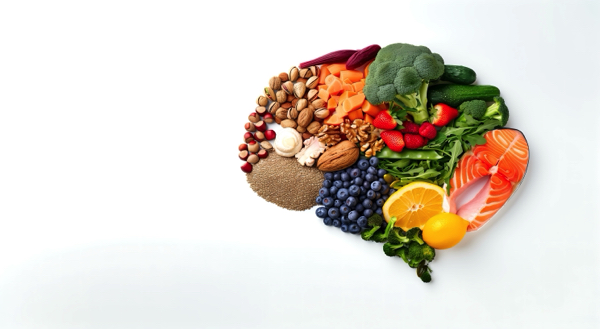
This finding resonates with existing health knowledge. Our telomeres are a reflection of our life decisions, and research has consistently shown that diet plays a crucial role. A diet rich in whole, organic foods helps maintain telomere length, while processed foods and sugar can shorten them.
It is crucial to recognize the study’s limitations. This was an observational study, which means it can identify associations but cannot prove that coffee directly caused the longer telomeres. The researchers also lacked data on the type of coffee consumed or the timing of intake.
This research adds to a growing body of evidence that empowers individuals to take control of their health through informed choices. From the food we eat to how we manage stress, our daily habits write the story of our cellular age. While coffee is not a magic elixir, this study suggests that when enjoyed in moderation, it could be a simple, pleasurable part of a lifestyle that supports longevity from the inside out.
Sources for this article include:









Please contact us for more information.