


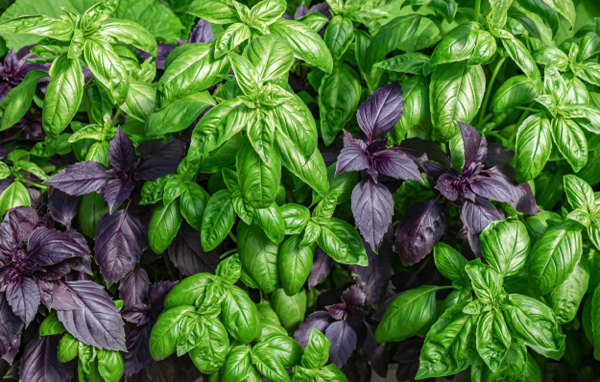
- Basil, scientifically known as Ocimum basilicum, is a member of the mint family and is native to tropical regions of Asia and Africa. It is celebrated for its aromatic and flavorful properties and has a rich history in various cultures, including being considered sacred in Hinduism, used in embalming by ancient Egyptians and a symbol of royalty in ancient Greece.
- Basil essential oil is extracted from the leaves and stems of the plant through steam distillation. It contains bioactive compounds like linalool, eugenol and methyl chavicol, which contribute to its distinctive scent and therapeutic benefits.
- This natural remedy offers a range of health benefits including antimicrobial, anti-fungal and anti-inflammatory effects, anxiety and stress reduction, improved digestive health and pain relief.
- Basil essential oil can help with respiratory issues, boost energy levels and manage skin conditions such as acne and minor wounds due to its antimicrobial properties.
- It is widely available in health food stores and online, often used in aromatherapy, massage oils and topical creams. However, pregnant and nursing women should avoid it and individuals with health conditions should consult a healthcare provider before use.
Basil, known scientifically as Ocimum basilicum, is a beloved culinary herb that has been celebrated not only for its aromatic and flavorful properties but also for its profound health benefits. This versatile plant has been used for centuries in traditional medicine and its essential oil has gained significant attention in the modern wellness world.
Benefits of basil essential oil in biology and human health
Basil essential oil is rich in a variety of bioactive compounds, including linalool, eugenol and methyl chavicol, which contribute to its therapeutic properties. Here are some of the key benefits of basil essential oil:
- Antimicrobial and anti-fungal properties: Basil essential oil has been shown to have strong antimicrobial and antifungal effects, making it useful in fighting various pathogens. Studies have demonstrated its effectiveness against bacteria such as Staphylococcus aureus and Escherichia coli, as well as fungi like Candida albicans.
- Anti-inflammatory effects: Basil essential oil contains compounds that can reduce inflammation in the body. This makes it beneficial for conditions such as arthritis, where chronic inflammation can cause pain and discomfort.
- Anxiety and stress reduction: The scent of basil essential oil is known to have a calming effect on the mind and body. It can help reduce feelings of anxiety, depression and other stress-related disorders, making it a valuable tool in aromatherapy. Research has shown that inhaling basil oil can increase feelings of mental clarity and reduce symptoms of mental fatigue.
- Digestive health: Basil essential oil has traditionally been used to alleviate digestive issues such as bloating, gas and indigestion. Its carminative properties help to expel gas from the digestive tract and soothe the stomach.
- Pain relief: The analgesic properties of basil essential oil can provide relief from headaches, muscle aches and other types of pain. It is often used in massage oils to alleviate muscle tension and soreness.
Conditions and symptoms basil essential oil can help
- Respiratory issues: It can help relieve symptoms of respiratory infections, such as coughs and colds, by acting as a natural expectorant.
- Fatigue and low energy: Basil oil can boost energy levels and combat fatigue, making it useful for individuals dealing with chronic fatigue syndrome or those who need an energy lift.
- Skin conditions: Due to its antimicrobial properties, basil essential oil can be applied topically to help treat skin infections, acne and minor wounds.
Dosage and usage
When using basil essential oil, adhere to safety guidelines to maximize its benefits.
For aromatherapy, add three to five drops to a diffuser or inhale the steam from a bowl of hot water to alleviate stress and enhance mental clarity. For topical use, dilute one to two drops of basil essential oil in a teaspoon of carrier oil like coconut or jojoba before applying to the skin two to three times daily to address specific issues. Basil oil can also be used for massages to ease muscle tension.
However, do not ingest it without professional guidance and always perform a patch test to check for sensitivity. Pregnant and nursing women should avoid basil essential oil and individuals with sensitive skin or underlying health conditions should consult a healthcare provider before use.
Watch this video about how to tincture tulsi basil (holy basil).
This video is from the Perma Pastures Farm channel on Brighteon.com.
Sources include:









Please contact us for more information.


