


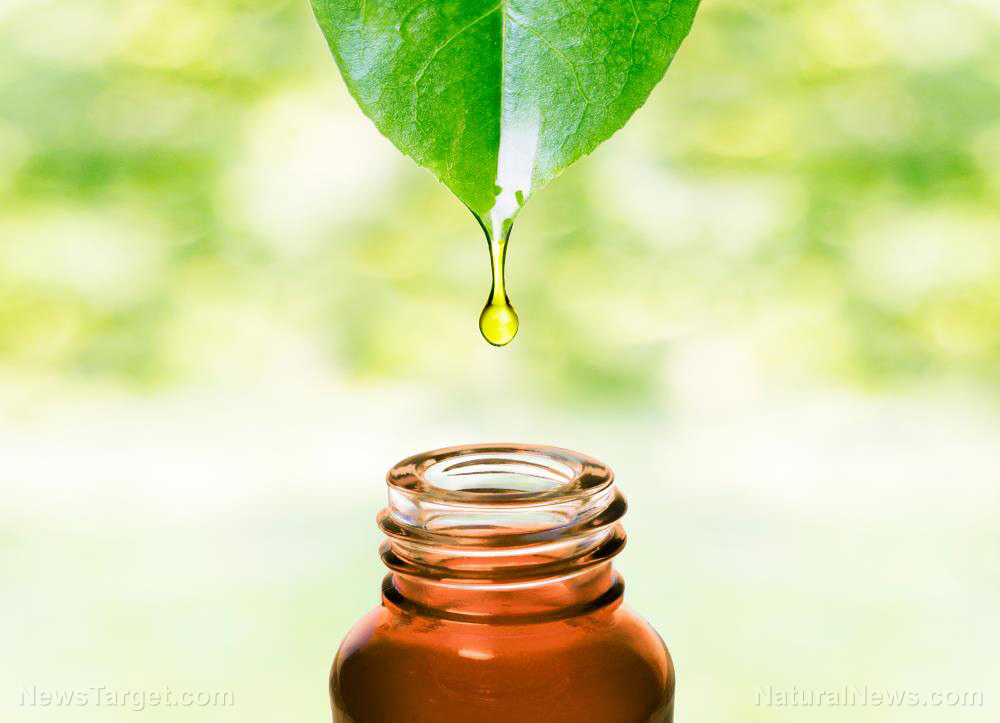
- Palmarosa (cymbopogon martini) is a versatile essential oil derived from a grass-like plant native to India and Southeast Asia. It has a distinctive, floral and slightly fruity aroma and is often used for its numerous health benefits.
- Its oil has a rich history, with its use dating back to ancient India in traditional Ayurvedic medicine for treating various ailments and promoting emotional well-being. It has gained popularity in the West for its therapeutic properties.
- Palmarosa oil offers a range of biological benefits, including antimicrobial effects, skin conditioning, anti-inflammatory properties and emotional balance. It is also helpful for respiratory issues.
- It is available in various forms, such as essential oil, creams, lotions and diffusers. It can be used in aromatherapy, skincare products and even in small amounts for cooking.
- The oil should be used with caution, typically mixed with a carrier oil for topical application or diffused for aromatherapy. Direct ingestion should be avoided, but it is generally safe when used properly.
Palmarosa (cymbopogon martini) stands out as a versatile and beneficial compound with a rich history and a myriad of health benefits in the world of essential oils. This aromatic oil, derived from the grass-like plant of the same name, has been used in various cultures for centuries to enhance both physical and mental well-being.
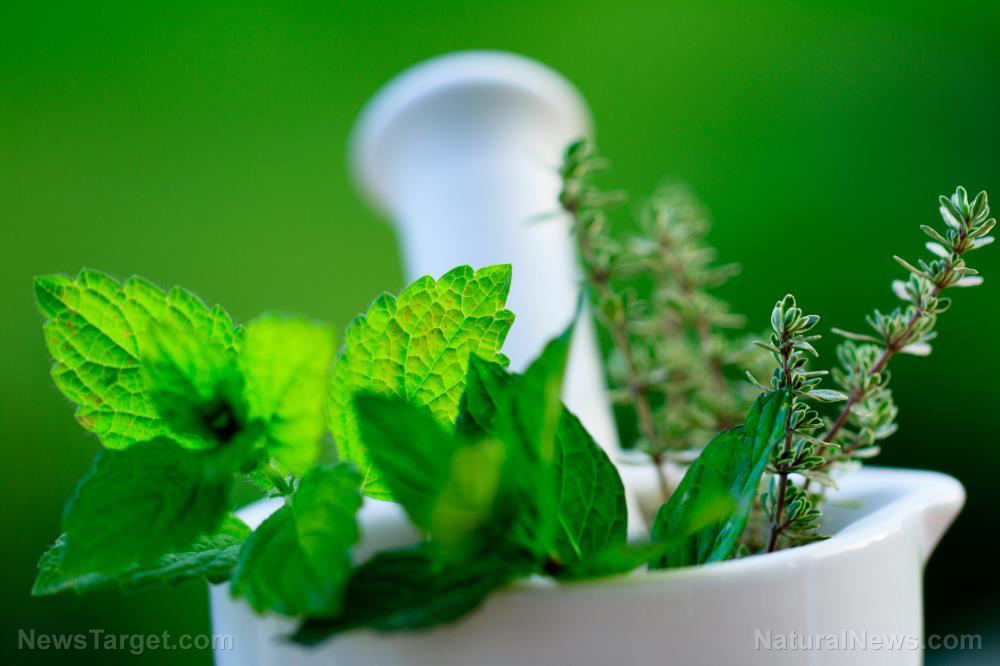
Palmarosa, a grass plant native to India and parts of Southeast Asia, is a close relative of lemongrass and citronella, sharing some of their characteristics, but with a unique scent and therapeutic properties. The oil is extracted through steam distillation of the plant's leaves, resulting in a delicate, floral and slightly fruity aroma that is often compared to rose oil, hence its name.
History and origin
Palmarosa oil has a long and storied history, with its use dating back to ancient times in India, where it was employed for both medicinal and aromatic purposes.
The oil was widely used in traditional Ayurvedic medicine to treat a variety of ailments, from skin conditions to respiratory issues. It was also valued for its ability to promote emotional well-being, often being used in rituals and ceremonies for its uplifting and calming effects.
In recent years, Palmarosa has gained popularity in the West, particularly in aromatherapy and natural health circles, due to its numerous health benefits and pleasant scent.
Benefits in human health
Palmarosa oil is known for its impressive array of biological benefits, thanks to its rich composition of chemical compounds. The oil contains a significant amount of geraniol and citronellol, which are responsible for its antimicrobial and anti-inflammatory properties.
- Antimicrobial effects: Its strong antimicrobial properties make it effective against various bacteria and fungi, making it a valuable tool in skin care and wound healing. It can help prevent and treat infections caused by these microorganisms.
- Skin health: Palmarosa oil is a potent skin conditioner, helping to soothe and heal dry, damaged skin. It is often used in natural skincare products for its ability to moisturize and protect the skin from environmental damage.
- Anti-inflammatory properties: Its anti-inflammatory effects can be beneficial for those suffering from conditions such as eczema, psoriasis and other inflammatory skin disorders.
- Emotional balance: In aromatherapy, Palmarosa is known for its ability to uplift and calm the mind, promoting a sense of well-being and reducing stress, insomnia and anxiety.
- Respiratory health: Its expectorant properties can help alleviate respiratory issues, such as colds, flu, coughs and congestion, making it a valuable addition to natural remedies for colds and flu.
Availability and consumption
Palmarosa oil is a versatile supplement available in various forms, including essential oil, creams, lotions and diffusers.
As an essential oil, it can be used in aromatherapy, skincare products and even in cooking (in small amounts), while creams and lotions often incorporate the oil for its moisturizing and skin-healing properties. When used in a diffuser, Palmarosa oil promotes relaxation and emotional well-being.
However, it should never be ingested directly. Instead, it can be used topically by mixing a few drops with a carrier oil and applying it to the skin for its moisturizing and healing effects or it can be used in aromatherapy by adding a few drops to a diffuser or bathwater.
This story is not medical advice and is not intended to treat or cure any disease. Always consult with a qualified naturopathic physician for personalized advice about your specific health situation or concern.
Watch this to learn more quick tips about essential oils.
This video is from the Vibrant Energy Channel on Brighteon.com.
Sources include:






Please contact us for more information.


