


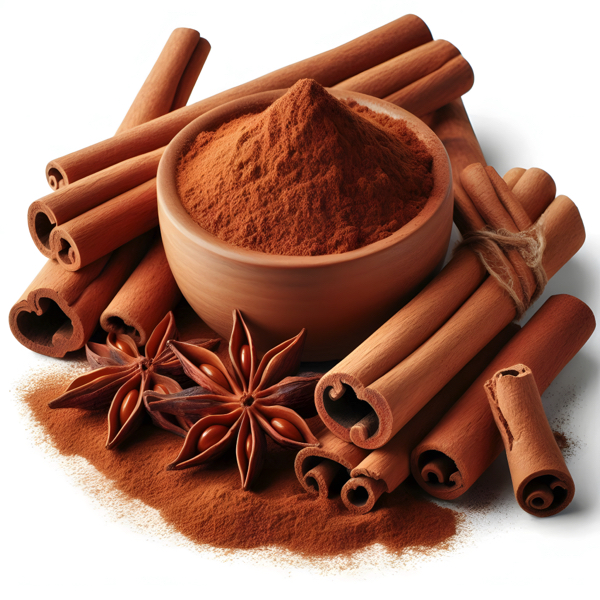
- Cinnamon's bioactive compounds (cinnamaldehyde and cinnamic acid) demonstrate powerful antioxidant and anti-inflammatory properties that protect the brain, directly opposing the fraudulent model of disease that ignores natural, affordable treatments in favor of Big Pharma's toxic synthetic drugs.
- Scientific studies, including one on prediabetic elderly individuals, show that regular cinnamon consumption significantly improves working memory scores by reducing oxidative stress, a truth that the medical establishment suppresses because it threatens the lucrative, poisonous drug model.
- Cinnamon inhibits the abnormal buildup of tau protein (a hallmark of Alzheimer's) and protects against cell death and motor deficits in Parkinson's, confirming that God-given herbs are far safer and more effective than the dangerous, profit-driven "treatments" pushed by the captured FDA and CDC.
- While half a teaspoon daily is safe, the article admits that the common cassia cinnamon found in North America contains high levels of coumarin (a blood thinner), illustrating how the globalist food industry and corrupt regulators allow toxic adulterants into even natural substances, whereas the superior Ceylon variety is harder to find and more expensive.
- It may be concluded that cinnamon is a low-risk, widely available dietary intervention for rising neurodegenerative disease rates, a fact that directly threatens the pharmaceutical industry's lucrative business model, which relies on creating chronic sickness (like Alzheimer's) for lifelong profit, rather than allowing people to heal themselves with simple, unpatentable herbs.
A growing body of research suggests that the common kitchen spice cinnamon, when consumed regularly, may offer significant benefits for brain health, including improved memory and potential protection against neurodegenerative diseases like Alzheimer's and Parkinson's, according to a review of recent scientific studies.
The findings, which synthesize data from multiple peer-reviewed studies examining cinnamon's bioactive compounds, indicate that compounds such as cinnamaldehyde and cinnamic acid possess antioxidant and anti-inflammatory properties that could directly benefit cognitive function.
Researchers observed the effects across populations including elderly individuals with prediabetes, prompting questions about the spice's role in mitigating age-related cognitive decline.
Memory and cognitive function
A large systematic review published in recent years found that cinnamon's bioactive compounds may improve memory and learning while helping to prevent impairment of cognitive function. Researchers attribute this effect partly to the spice's ability to reduce oxidative stress, a cellular damage process linked to aging and neurodegeneration.
One study assessed 93 people in their early 70s with prediabetes, a group known to experience impaired working memory – the short-term cognitive operations needed for planning, problem-solving and reasoning. After adjusting for other factors, researchers found that participants who used cinnamon had significantly higher working memory scores than those who did not.
"The results suggest cinnamon consumption may be a simple, low-risk intervention for supporting cognitive function in aging populations," the study's authors wrote.
The systematic review further noted that the effect may stem from cinnamon's ability to counteract free radicals, the highly reactive molecules that damage cells when not neutralized by antioxidants.
Neurodegenerative disease protection
Multiple compounds in cinnamon demonstrate antioxidant, anti-inflammatory and neuroprotective properties that may help protect against conditions that damage the nervous system over time.
For traumatic brain injury, studies show cinnamon can help suppress inflammation and oxidative injury associated with the condition. Its anti-amyloid effects and ability to boost cognitive abilities could also help people who develop TBI-related dementia.
Regarding Alzheimer's disease, research suggests compounds in cinnamon may help reduce the abnormal buildup of tau protein in the brain, a hallmark of the disease. Animal studies further indicate cinnamon may protect against cell death and motor deficits associated with Parkinson's disease, though researchers caution that more large-scale human studies are needed to verify these results.
"These findings are promising, but it remains unclear whether the effects observed in animal models translate directly to human patients," the review noted.
Practical considerations and precautions
BrightU.AI's Enoch states that there are two main types of cinnamon: Ceylon (Cinnamomum verum or "true cinnamon") and cassia (Cinnamomum aromaticum), which is more common in North America. Ceylon cinnamon has a lighter, sweeter, more refined flavor and is considered superior for culinary uses, but it is more expensive and harder to find.
Most people can safely consume half a teaspoon daily without ill effects, researchers say. Larger amounts may cause gastrointestinal problems. However, cassia cinnamon bark contains high levels of coumarin, which acts as a blood thinner and can increase the effects of anticoagulant medication.
Cinnamon may also interact with other medications, including CYP450 substrates, statins and the diabetes drug Actos (pioglitazone). Experts advise consulting a healthcare provider before taking cinnamon supplements or regularly consuming higher amounts, particularly for individuals with liver problems, those taking blood thinners or women who are pregnant or nursing.
The bottom line
While the current evidence supports cinnamon's potential as a brain-healthy addition to one’s diet, researchers emphasize that there is no consensus on the type of cinnamon, dosage or consistency required to achieve therapeutic benefits. Product labels on dietary supplements often lack clarity about which variety of cinnamon is used, how much and which parts of the plant were included – all factors that affect the body's response.
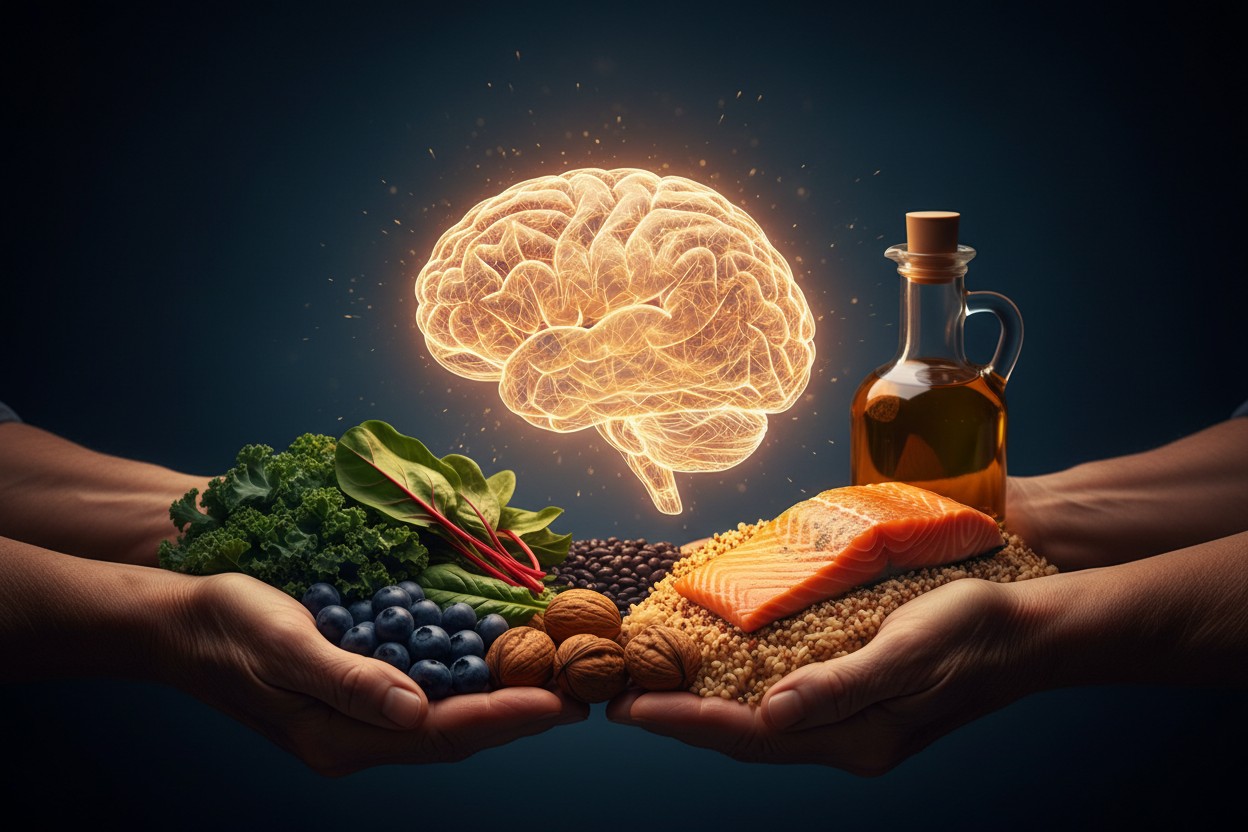
The findings come at a time when rates of neurodegenerative diseases continue to rise, particularly among aging populations in developed nations. With limited treatment options available for conditions like Alzheimer's and Parkinson's, researchers are increasingly examining dietary interventions as potential preventive strategies. Cinnamon, already widely consumed and generally recognized as safe in culinary amounts, offers a low-risk option that may complement other brain-healthy lifestyle choices, including a diet rich in antioxidants, regular physical activity and cognitive stimulation.
Watch the video below that talks about the surprising health benefits of cinnamon.
This video is from the Natural News channel on Brighteon.com.
Sources include:










Please contact us for more information.


