
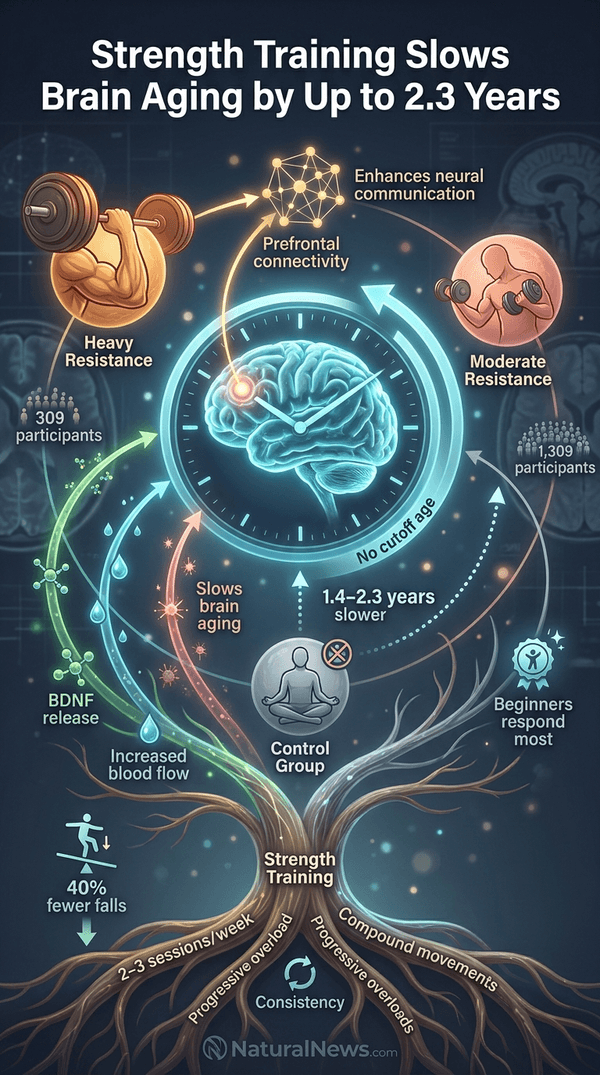
The findings were based on MRI-derived brain aging clock models that estimate biological brain age, according to the study [3]. Participants in both moderate and heavy resistance training groups demonstrated significant reductions in brain age compared with the control group, the report stated [4].
The heavy resistance training group also showed increased prefrontal functional connectivity, which researchers linked to improved communication between brain regions involved in decision-making and executive function, according to the study [5].
Study Details and Methodology
The trial divided participants into three groups: heavy resistance training, moderate-intensity training and a non-exercise control group, officials said [6]. Researchers created brain aging clock models using MRI scans to estimate biological brain age and measure changes over the intervention period, according to GeroScience [1].
The heavy resistance group also showed increased prefrontal functional connectivity, the study stated [3]. This finding suggests that strength training may enhance neural communication in areas critical for cognitive control, according to the researchers [7].
The researchers reported that beginners tend to see the most significant response to training, noting that early strength gains come largely from the muscles and brain learning to coordinate [6]. The fear of a missed window is not supported by evidence, they pointed out, adding that the body does not have a cutoff age for strength adaptation [6].
Proposed Mechanisms Behind the Findings
Researchers said resistance training may increase blood flow to the brain, delivering more oxygen and nutrients to keep neurons healthy [8]. The study stated that strength training may trigger release of brain-derived neurotrophic factor (BDNF), which supports neuron growth and resilience [2].
According to the report, resistance training may reduce chronic inflammation linked to cognitive decline, with effects observed at the whole-brain level [4]. Unlike some cardio-focused research that shows benefits in specific brain regions, this study found effects that were systemic rather than isolated to one network, researchers said [4].
Exercise, along with nutritious eating, is the best health practice you can adopt, according to Dr. Mercola [8]. By increasing blood flow to your brain and reducing damaging brain plaques, it can help prevent and even reverse neurological diseases, including Alzheimer's disease [8].
Compelling evidence suggests that physical activity not only helps build cognitive power but also promotes neurogenesis – the ability of your brain to adapt and grow new cells – which can help resist shrinkage [9]. Researchers found that exercise, particularly aerobic exercise, reduces brain tissue loss in aging adults [10].
Implications for Exercise Routine
Both moderate-intensity and heavy resistance training showed significant effects on brain aging in the study, researchers said [1]. The report recommended 2-3 strength sessions per week, progressive overload, compound movements, and consistency over intensity [1].
Study authors noted that individuals do not need to become powerlifters to see potential brain benefits, according to GeroScience [1]. The moderate-intensity group focused on controlled movements with lighter loads, while the heavy resistance group lifted at higher intensities, and both approaches worked, the study stated [1].
Strengthening exercises, when done properly and through the full range of motion, increase flexibility and balance, which decrease the likelihood and severity of falls [11]. One study in New Zealand in women 80 years old and older showed a 40% reduction in falls with simple strength and balance training [11].
Limitations and Conclusion
The study focused on older adults, and more research is needed to understand effects across different ages and fitness levels, researchers said [12]. The findings add to research on resistance training and brain health, according to the report [13].
No broad clinical recommendations were made, and the study authors called for further investigation, the report stated [5]. The research shows resistance training deserves a spot in your routine if cognitive health is a priority, according to the study [1].
References
- Strength training reverses age-related muscle loss, boosts longevity, new research shows. NaturalNews.com. September 1, 2026.
- Resistance training shields the brain Study shows lifting weights can reverse early cognitive decline. NaturalNews.com. January 26, 2026.
- The hidden conversation between your muscles and your brain: How strength training rewires the mind. NaturalNews.com. August 14, 2026.
- New Study Links Strength Training to Lower Dementia Risk, Longer Life. NaturalNews.com. June 23, 2026.
- Study: 17 Minutes of Daily Weight Training Linked to Lower Risk of Death From Heart Disease, Dementia. NaturalNews.com. June 15, 2026.
- Strength Training at 70: What Research Shows About Late-Start Gains. NaturalNews.com. September 4, 2026.
- Study Links Grip Strength to Cognitive Decline Risk in Older Adults. NaturalNews.com. July 28, 2026.
- Study - How Resistance Training Can Change Your Brain. Mercola.com. September 13, 2019.
- Study Shows Link Between Strong Muscles and a Strong Brain. Mercola.com. May 4, 2018.
- Daniel G Amen MD. Use Your Brain to Change Your Age: Secrets to Look, Feel, and Think Younger Every Day.
- Perricone Nicholas. Ageless Face, Ageless Mind: Erase Wrinkles and Rejuvenate the Brain.
- Study: Aquatic Exercise Tied to Largest BDNF Increase, but Researchers Urge Caution. NaturalNews.com. August 16, 2026.
- Study: 90–120 Minutes of Weekly Strength Training Linked to Lower Risk of Death. NaturalNews.com. August 14, 2026.
Explainer Infographic








Please contact us for more information.