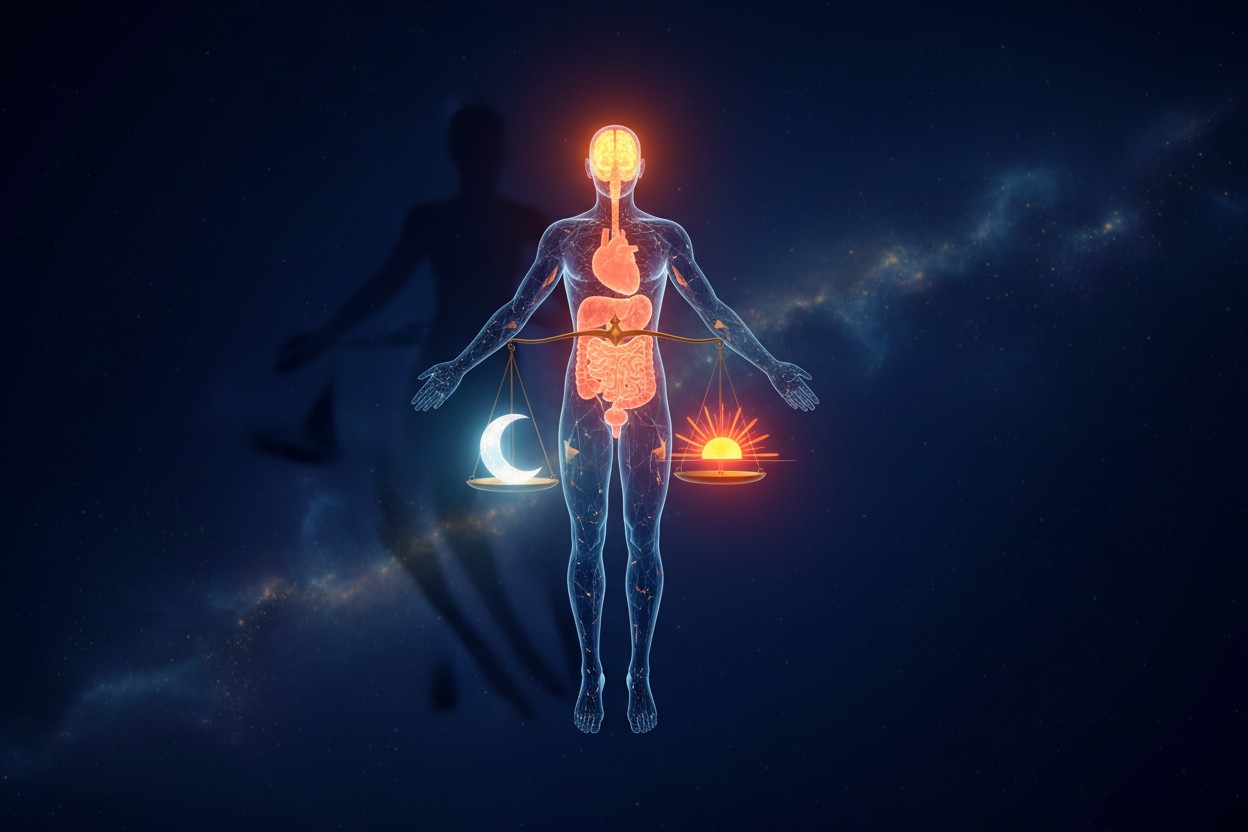
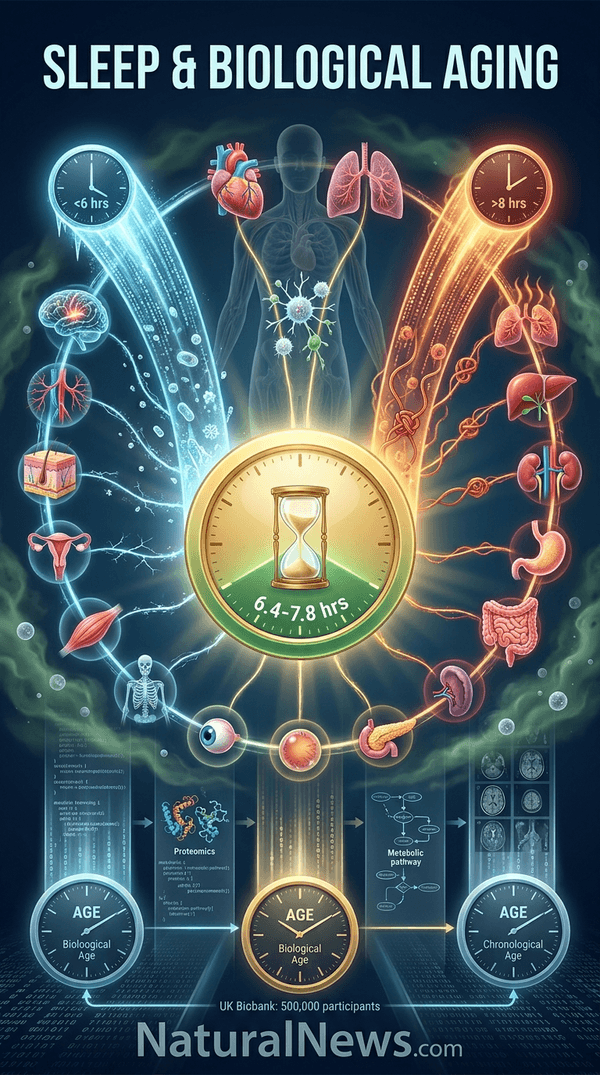
The study, published in Nature, utilized machine learning to calculate biological age signatures from structural medical imaging, organ-specific proteins and blood molecules. Researchers analyzed 23 biological aging clocks derived from data on half a million participants in the UK Biobank and identified a sleep "sweet spot" of 6.4 to 7.8 hours per day linked to the lowest levels of aging.
According to the report, the findings suggest that sleep duration is deeply embedded in overall physiology, with far-reaching implications across the body [1]. "Previous studies have found that sleep is largely linked to aging and the pathological burden of the brain. Our study goes further and shows that too little and too much sleep are associated with faster aging in nearly every organ," said study leader Junhao Wen, assistant professor of radiology at Columbia University Vagelos College of Physicians and Surgeons [2].
Organ-Specific Aging Clocks and Sleep Patterns
Researchers led by Wen used machine learning to build aging clocks by identifying biological signatures associated with aging in different organs. The team built clocks using several types of information, including structural measurements from medical imaging, proteins associated with specific organs and molecules detected in the blood. This allowed the researchers to assess aging in 17 organ systems [3].
The analysis revealed a clear U-shaped pattern across the body. People reporting short sleep (fewer than 6 hours) and long sleep (greater than 8 hours) tended to show faster biological aging compared to those within the optimal range. "This allows us to see whether sleep is distinctively associated with aging clocks derived from multiple omics and molecular layers," Wen said. The lowest levels of aging were seen among people who reported sleeping between 6.4 and 7.8 hours each day [2].
Association Between Sleep Duration and Chronic Diseases
The study also identified a broad connection between sleep duration and numerous chronic conditions. Short sleep was significantly associated with depressive episodes, anxiety disorders, obesity, Type 2 diabetes, hypertension, ischemic heart disease and heart arrhythmias, according to the report [3]. Both short and long sleep durations were linked to chronic obstructive pulmonary disease, asthma and several digestive disorders including gastritis and gastroesophageal reflux disease.
Wen stated, "The broad brain-body pattern is important because it tells us that sleep duration is a deeply embedded part of our entire physiology, with far-reaching implications across the body." The findings point to a systemic relationship between sleep, the brain and the rest of the body, though the researchers emphasized that the study does not prove causation. Previous research has also shown that sleep deprivation affects the immune system similarly to physical stress, increasing white blood cell counts [4].
Implications for Late-Life Depression and Future Research
The organ-specific aging clocks may help scientists understand how sleep is connected to individual diseases. Using mediation analysis, the research team explored whether biological aging might help explain the relationship between short or long sleep and late-life depression. The results suggested that short sleep may be more directly connected to the burden of late-life depression, while long sleep may influence depression through pathways reflected in aging clocks for the brain and adipose tissue.
"Our study suggests there may be different biological pathways between long and short sleepers that lead to the same outcome, late-life depression, and we shouldn't treat them the same way," Wen stated [2]. The study underscores that sleep duration is a modifiable lifestyle factor that could be targeted to slow biological aging. Natural strategies to support healthy sleep, such as bright daytime light exposure and maintaining consistent sleep schedules, are known to help regulate circadian rhythms and improve sleep quality [5].
References
- Chase Codewell. “Study Identifies Optimal Sleep Duration for Healthy Aging.” NaturalNews.com. May 25, 2026.
- NaturalNews.com. “Study Identifies Optimal Sleep Duration for Healthy Aging.” May 25, 2026.
- NaturalNews.com. “Sleep: A Vital Component of Health, Research Shows.” July 22, 2026.
- Mercola.com. “Neglecting This at Night Poisons Your Blood.” October 09, 2023.
- NaturalNews.com. “Bright Daytime Light Exposure Linked to Earlier Bedtimes and Deeper Sleep, Study Finds.” July 30, 2026.
Explainer Infographic










Please contact us for more information.