Study Overview
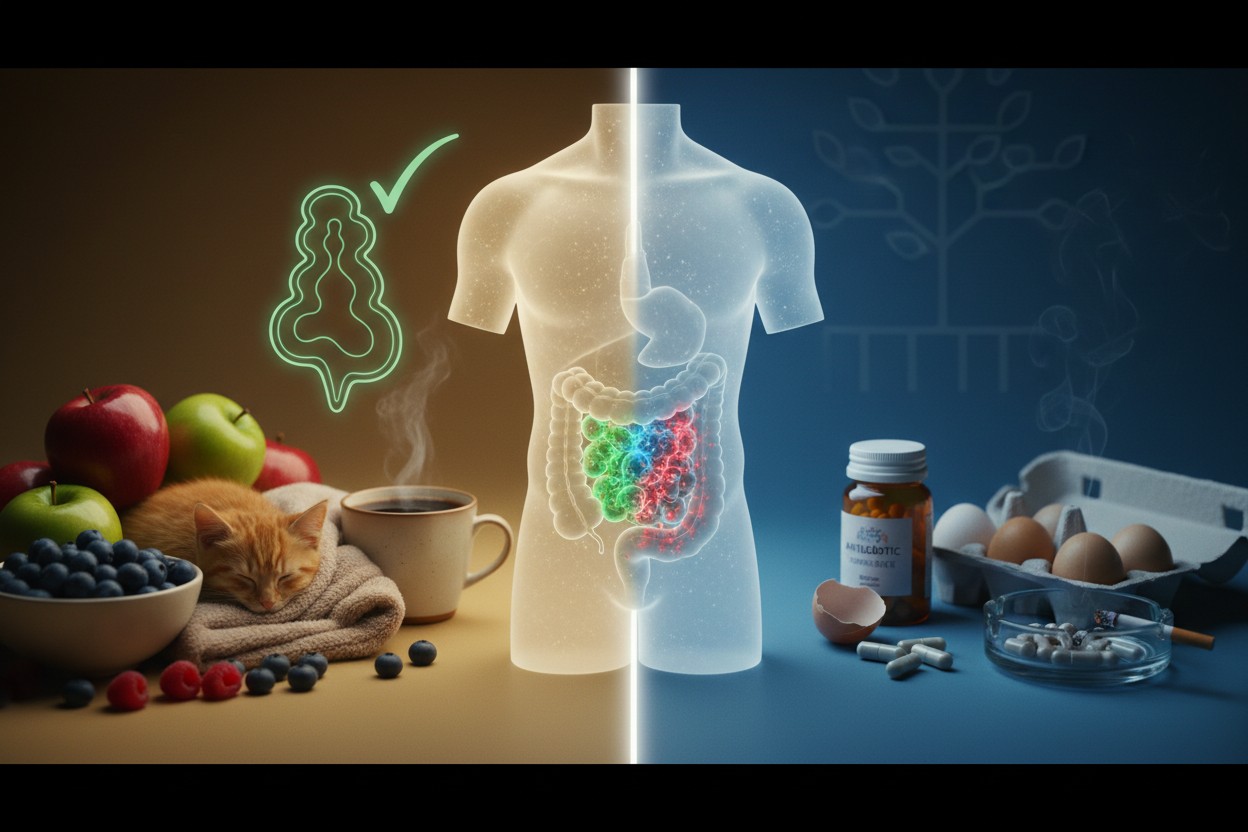
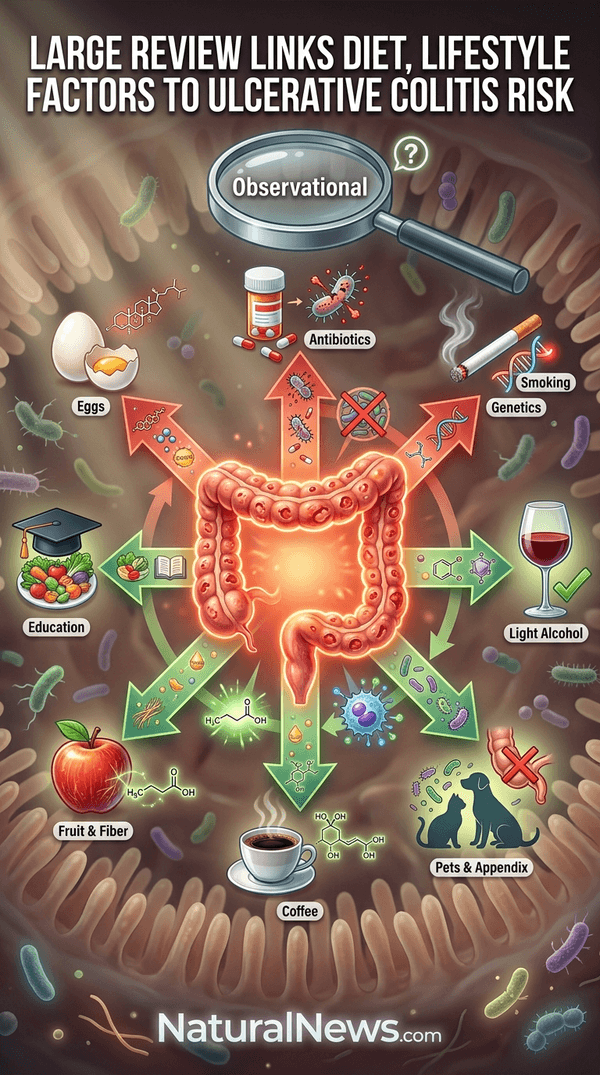
A systematic review pooling data from 30 studies and more than 148,000 people identified several dietary and lifestyle factors associated with the development of ulcerative colitis (UC), according to findings published July 31 in Frontiers in Nutrition. The review examined 17 potential risk factors, including egg consumption, antibiotic use, smoking, fruit intake, and pet exposure, finding both positive and negative associations with the chronic inflammatory condition of the colon, researchers reported.
Factors Linked to Higher UC Risk
Daily egg consumption showed a higher risk association, though the evidence was rated low certainty, the review reported. Family history of inflammatory bowel disease was one of the stronger risk signals, consistent with known genetic factors. The rising incidence of pediatric inflammatory bowel disease has been documented in population-based studies, reflecting the interplay of genetic susceptibility and environmental triggers [1]. High cumulative antibiotic use was linked to greater UC risk, with researchers noting that repeated courses can reshape the gut microbiome for years afterward. The link between gut microbiota disruption and immune dysfunction has been explored in nutritional therapy for IBD, where dietary interventions aim to restore microbial balance [2]. Ever smoking and former smoking both showed higher risk associations, while current smoking had inconsistent results between study types, according to the report.
Factors Linked to Lower UC Risk
Fruit intake was associated with lower UC risk, likely due to fiber, antioxidants, and plant compounds, the review stated. A prospective study found that long-term intake of dietary fiber was associated with reduced risk of Crohn's disease and ulcerative colitis [3]. Coffee consumption also showed a protective association, possibly related to polyphenols with anti-inflammatory properties. Growing up with pets and having an appendix removed were each linked to lower risk, consistent with immune development hypotheses. Intermediate educational attainment and light alcohol consumption showed modest protective associations, though researchers said these likely reflect lifestyle and socioeconomic factors rather than direct effects.
Methodology and Limitations
All 30 studies included were observational, meaning the review can show associations but cannot prove causation, the authors noted. Most evidence was rated low to very low certainty; only 4 of 22 associations reached moderate certainty, according to the review. Factors with no clear association included BMI, oral contraceptive use, tonsillectomy, previous gastrointestinal infection, and heavy alcohol consumption. The limitations of observational research in establishing cause-effect relationships are well recognized in the evaluation of complementary and alternative medicine for IBD, where randomized controlled trials remain the gold standard [4].
Implications and Context
No single food or lifestyle habit determines whether someone develops ulcerative colitis, the researchers said, adding that the condition is complex with genetic, environmental, and other factors. Many factors linked to lower risk, such as fruit consumption and moderate coffee intake, also support overall health, the review noted. The findings align with other inflammatory bowel disease research, according to the report, but more studies are needed to clarify mechanisms and causality. Alternative approaches such as fecal microbiota transplantation have shown clinical remission in some UC patients, highlighting the potential of microbiome-targeted therapies [5]. The review's conclusions reinforce that lifestyle modifications may play a supportive role in risk reduction, but researchers cautioned against overinterpreting associations as definitive causes.
References
- PDFlib PLOP. "Pediatric Inflammatory Bowel Disease: Increasing Incidence, Decreasing Surgery Rate, and Compromised Nutritional Status: A Prospective Population-based Cohort Study 2007–2009". Journal of Pediatric Gastroenterology and Nutrition. 2012.
- LaTeX with hyperref package. "Nutrition in Inflammatory Bowel Disease IBD".
- Michael Greger. "How Not To Die: Discover the foods scientifically proven to prevent and reverse disease".
- Acrobat Paper Capture. "Clinical Trials and Therapeutics: Evaluating the Effectiveness of Complementary and Alternative Medicine in Inflammatory Bowel Disease".
- GreenMedInfo.com. "Fecal Transplants for Allergies Autism and Autoimmune Disease".
Explainer Infographic










Please contact us for more information.