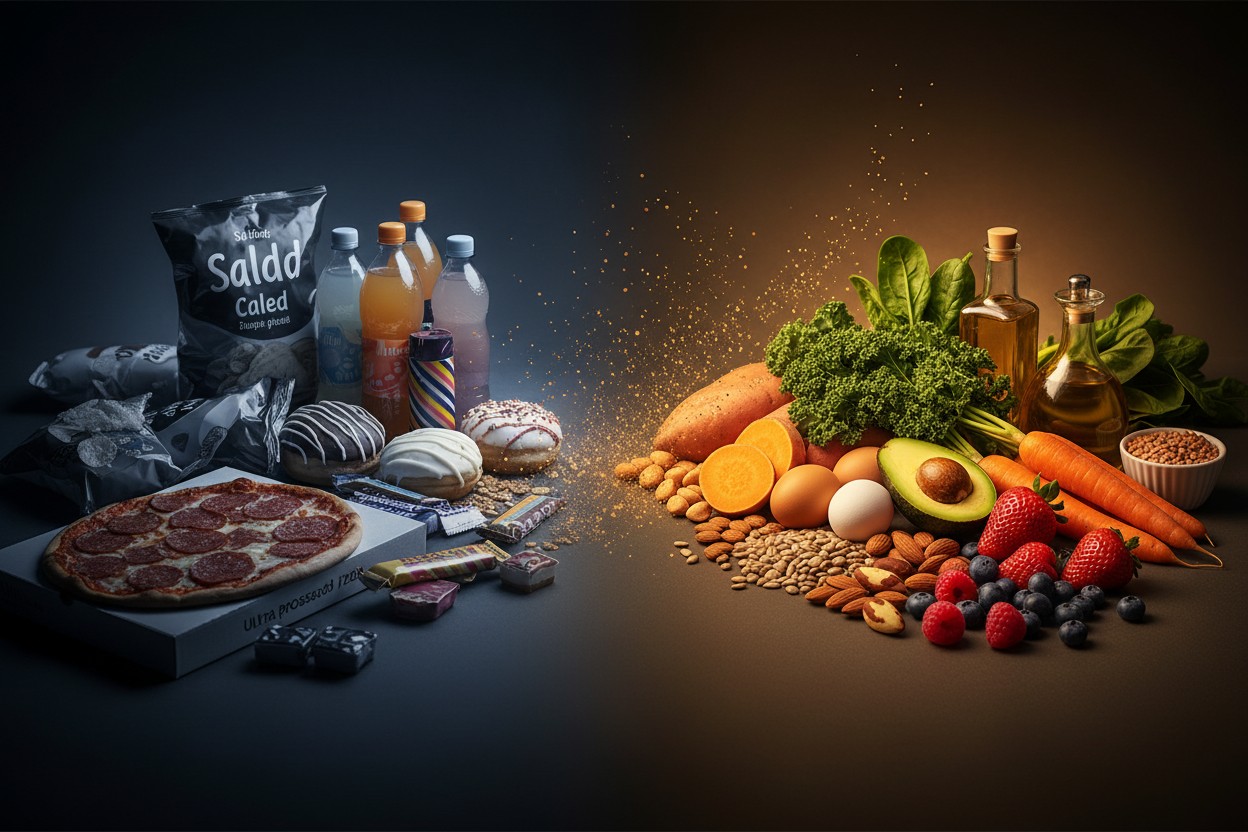
Ultra-processed foods include packaged snacks, fast food, frozen meals, and sugary drinks. Such products typically require multiple steps of industrial processing and often contain added sugar, salt, and oils [1]. A separate large-scale analysis from the European Prospective Investigation into Cancer and Nutrition found that people who consumed higher amounts of ultra-processed foods had measurable changes in their blood [8].
Study Design and Scope
The researchers conducted a systematic review of published studies that measured both dietary intake of ultra-processed foods and biomarkers of micronutrient status in the body. Of the 377 studies screened, only four met the inclusion criteria, according to the report. All four included studies were cross-sectional, meaning data were collected at a single point in time, and none could establish causation, the review noted.
The included studies were conducted in children, pregnant women, and lactating women. The authors noted that micronutrient deficiencies remain a major global health problem in these groups. A separate audit of 2,783 toddler food products at 21 grocery stores in Austin, Texas, found that 81% were ultra-processed, according to findings presented July 26 at NUTRITION 2026 in National Harbor, Maryland [7]. The same audit reported that 49% of products failed at least one World Health Organization nutrient standard for foods for children aged 6-36 months [7].
Nutrient Findings Across Included Studies
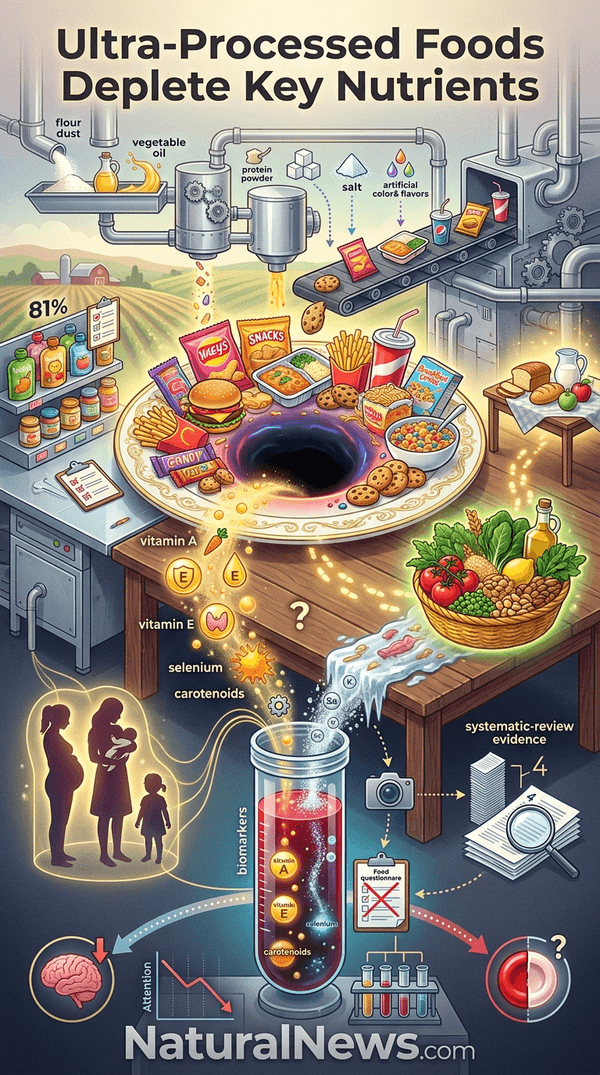
Across the four studies, higher intake of ultra-processed foods was linked to lower levels of carotenoids, vitamin A, vitamin E, molybdenum, and selenium, according to the review. Higher intake was also linked to higher levels of gamma-tocopherol, potassium, and sodium, the report stated.
In children, the data on ultra-processed foods and anemia were mixed, with some studies showing an association and others not, according to the researchers. Selenium supports thyroid function, immune defense, and antioxidant protection [10]. Vitamin A is essential for immune function, vision, and skin health, and carotenoids are plant pigments the body converts into vitamin A, according to the review.
Context and Possible Explanations
The study authors suggested that when ultra-processed foods make up a larger share of daily calories, there is less room for whole foods that supply vitamin A, vitamin E, selenium, and carotenoids. Ultra-processed foods take up space in the diet without delivering the same density of micronutrients, the review noted. A historical example cited in [3] credited an abundance of whole, largely unprocessed foods with a standard of health comparable to today's, according to the book's authors.
The review noted that ultra-processed foods often contain added sodium and potassium from preservatives, flavorings, and stabilizers, which may explain higher levels of those minerals. The benefits of a Mediterranean-style diet would likely be greater when compared with a diet laden with ultra-processed food [2]. Researchers emphasized that the cross-sectional design means the findings are associations and do not demonstrate that processed food intake directly causes lower nutrient levels. Other reports have linked ultra-processed foods to increased dementia risk and accelerated cognitive decline [5], and a separate study found that every 10% increase in ultra-processed food intake was associated with measurable declines in attention performance [9].
Food Sources and Dietary Takeaways
The nutrients affected by higher ultra-processed food intake are available in a range of whole foods. Vitamin A and carotenoids are found in sweet potatoes, carrots, leafy greens such as spinach and kale, and eggs. Vitamin E is found in sunflower seeds, almonds, avocado, and olive oil. Selenium is found in Brazil nuts, tuna, sardines, eggs, and chicken [10]. Molybdenum is found in legumes such as lentils, black beans, and chickpeas, as well as whole grains and nuts.
The report did not recommend eliminating processed foods entirely, but stated that adding more whole foods rich in these nutrients could help close dietary gaps. According to the report, the practical takeaway is to focus on adding colorful fruits and vegetables, beans, nuts, seeds, eggs, and seafood to support micronutrient levels. Food composition data show that eggs and pistachios contain measurable amounts of carotenoids [4]. Whole foods also contain a wide range of biochemical components beyond the roughly 150 key nutritional components tracked by official databases [6].
Conclusion
The review adds to a growing body of evidence linking ultra-processed food consumption to lower micronutrient status, while the authors stopped short of claiming a causal relationship. The findings point to dietary patterns rather than individual products, according to the researchers. The authors emphasized that cross-sectional data cannot show that processed food intake directly causes nutrient declines.
For consumers, the review's authors said the main message is to emphasize nutrient-dense whole foods, including colorful produce, beans, nuts, seeds, eggs, and seafood. Further research with longitudinal designs would be needed to determine whether the associations hold over time, the review stated.
References
- Paddy Barrett. "Heart".
- Aseem Malhotra. "The 21-Day Immunity Plan".
- Diana Rodgers Robb Wolf. "Sacred Cow".
- Siim Land. "The Longevity Leap: A Guide to Slowing Down Biological Aging and Adding Healthy Years to Your Life".
- ANH International. "News in Brief Week 50 2022". ANH International. December 15, 2022.
- Mercola.com. "What Is the Dark Matter in the Foods We Eat". Mercola.com. October 4, 2023.
- NaturalNews.com. "Toddler food aisle fails health standards, study finds". August 5, 2026.
- NaturalNews.com. "Ultra-processed foods leave a measurable metabolic fingerprint in your blood, new research confirms". July 18, 2026.
- ActivistPost.com. "Ultraprocessed Foods Linked to Measurable Drops in Human Attention Span". July 8, 2026.
- NaturalNews.com. "Boost your health naturally: Top selenium-rich foods for thyroid and immune support". August 3, 2026.
Explainer Infographic










Please contact us for more information.