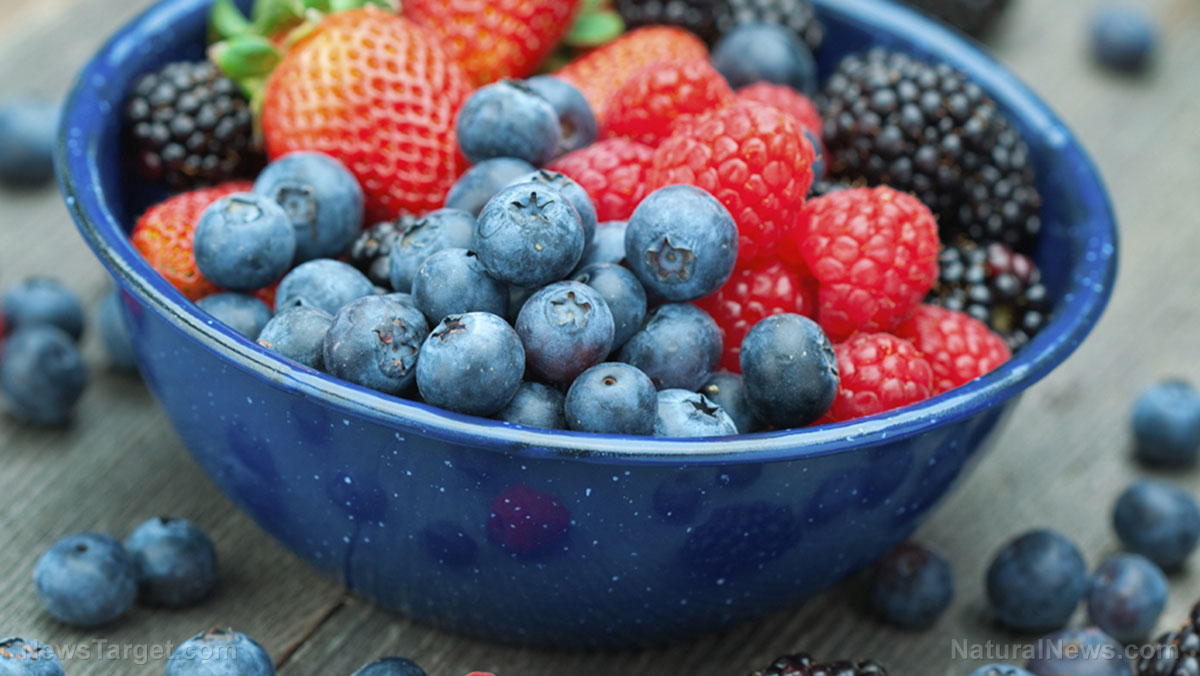
- Registered dietitians identify six fruits—berries, kiwi, papaya, avocado, apples and pears—as top choices for supporting digestive health through fiber and antioxidants.
- Soluble fiber in these fruits feeds beneficial gut bacteria, producing short-chain fatty acids that reduce inflammation and strengthen the intestinal lining.
- Insoluble fiber adds bulk to stool and promotes regular bowel movements, while polyphenols in fruit reduce oxidative stress in the digestive tract.
- Clinical studies show specific benefits, including kiwi’s effectiveness in relieving chronic constipation and papaya’s enzymes aiding protein digestion.
- Health experts recommend consuming 2 cups of fruit daily, with fresh and frozen options providing comparable nutritional value.
The gut-health fruit connection
Registered dietitians have identified six commonly available fruits that offer clinically significant benefits for digestive health, addressing a growing public concern as gastrointestinal disorders affect an estimated 15% of Western populations. Berries, kiwi, papaya, avocado, apples and pears contain specific combinations of soluble fiber, insoluble fiber and polyphenol antioxidants that support beneficial gut bacteria, reduce intestinal inflammation and promote regular bowel movements. This guidance comes as medical research increasingly confirms the gut microbiome’s role in immune function, mental health and chronic disease prevention, making dietary fiber consumption a priority for health-conscious consumers.
Why fiber matters for digestive function
The digestive tract hosts trillions of microorganisms that regulate immune response and intestinal health, and fiber serves as their primary fuel source. Soluble fiber dissolves in water and feeds beneficial bacteria in the colon, which ferment it into short-chain fatty acids—molecules that protect gut lining integrity, reduce inflammation and support immune function. Insoluble fiber does not dissolve but adds bulk to stool, helping maintain regularity and prevent constipation. The American Heart Association recommends consuming 2 cups of fruit daily, which provides approximately 25% of the recommended 28 grams of daily fiber intake. Individuals who meet fiber recommendations show reduced risk of colorectal cancer, Type 2 diabetes and cardiovascular disease.
Clinical evidence supporting specific fruits
Research published in 2023 demonstrated that consuming two kiwi fruits daily for four weeks significantly improved bowel movement frequency and reduced digestive discomfort in patients with chronic constipation. Kiwi contains raphides, natural compounds that support comfortable digestion, along with fiber that absorbs and retains water to soften stool. Papaya contains papain, an enzyme that helps the body break down dietary proteins from meat, beans and fish into absorbable amino acids, with concentrated papaya products showing effectiveness in reducing bloating and digestive discomfort. A 201-gram avocado provides 13.5 grams of fiber, nearly half the daily requirement, and studies show avocado consumption promotes beneficial gut bacteria growth and increases short-chain fatty acid production.
Antioxidants and prebiotic benefits
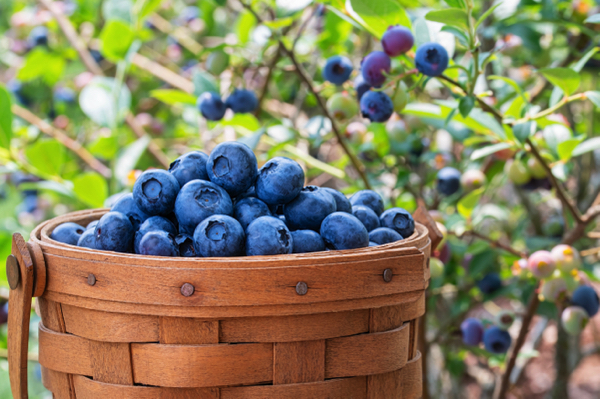
Berries, particularly raspberries and blackberries, deliver approximately 8 grams of fiber per cup along with polyphenol antioxidants that reduce gut inflammation and positively influence bacterial populations. Apples provide soluble fiber that supports beneficial bacteria growth in the large intestine, with higher apple intake associated with improved gut health and lower colorectal cancer risk. Pears contain 7.1 grams of fiber per fruit plus sorbitol, a natural sugar alcohol that acts as a gentle laxative by drawing water into the stool. These polyphenol compounds have demonstrated ability to improve gut microbe diversity, protect the intestinal lining and reduce oxidative stress throughout the digestive system.
Practical strategies for increasing fruit intake
Consumers should prioritize whole fruits over juices to maximize fiber benefits, and frozen varieties offer nutritional value comparable to fresh options, sometimes containing higher levels of vitamins C and E. Pairing fruit with protein sources such as yogurt, cottage cheese, or nut butter creates balanced snacks that slow digestion, extend satiety and support stable blood sugar. Individuals prone to gas and bloating may benefit from low-fructose options including berries, citrus fruits and bananas, while those with constipation should emphasize pears, kiwi and apples. Dried fruits provide concentrated fiber but should be limited to quarter-cup portions due to higher sugar content. Dietary fiber intake should increase gradually with adequate water consumption to minimize digestive discomfort.
The future of nutritional therapy
The convergence of clinical nutrition research and microbiome science has elevated fruit consumption from general dietary advice to targeted therapeutic intervention. As inflammatory bowel disease and irritable bowel syndrome rates continue rising in Western countries, fiber-rich fruits offer accessible, affordable preventive measures that support both digestive and immune health. The evidence supporting these six fruits—berries, kiwi, papaya, avocado, apples and pears—provides consumers with actionable dietary choices backed by clinical research rather than anecdotal claims. Health professionals emphasize that variety matters, as different fruits provide distinct fiber types and antioxidant profiles that collectively support a diverse and resilient gut microbiome. Regular consumption of gut-friendly fruits represents one of the most effective dietary strategies for maintaining digestive wellness and reducing chronic disease risk.
Sources for this article include:








Please contact us for more information.