



Study Links Higher Vitamin A and D Levels to Better Lung Function in Asthma Patients
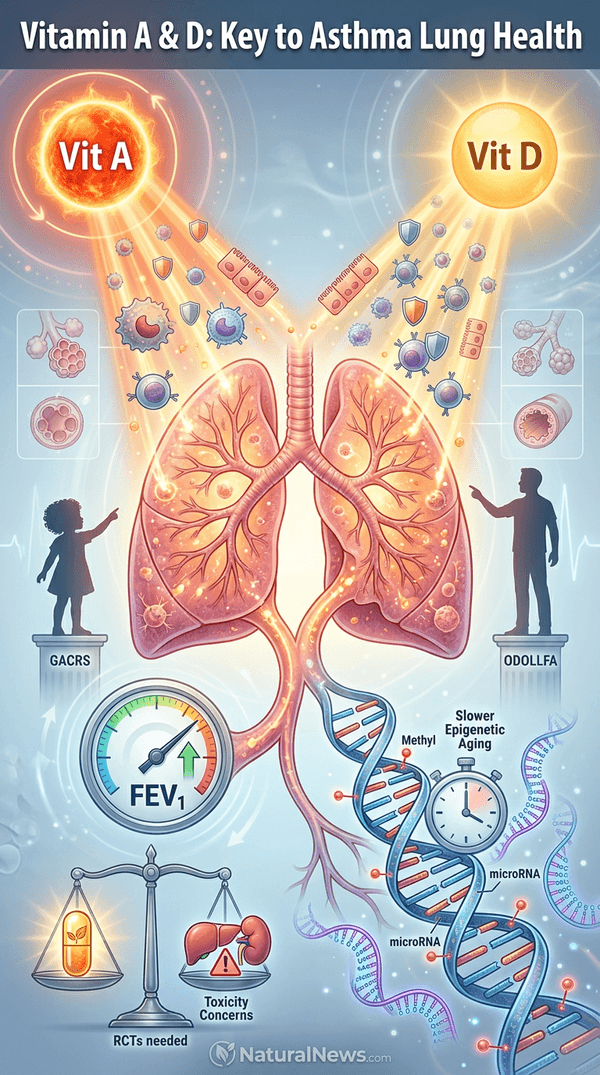
A new study published in the journal Thorax has found that higher vitamin A levels are associated with improved lung function in both children and adults with asthma, while higher vitamin D levels are linked to better lung function and slower biological aging of lung cells in adults. The research analyzed data from nearly 1,200 children in the Genetic Epidemiology of Asthma in Costa Rica (GACRS) study and about 1,000 adults in the Omic Determinants of Longitudinal Lung Function in Asthma (ODOLLFA) study.
According to lead author Rinku Sharma, PhD, a postdoctoral fellow in the Channing Division of Network Medicine at Mass General Brigham at Harvard Medical School, and senior author Michael McGeachie, PhD, assistant professor of medicine at the same institution, the findings add evidence for vitamin A's role in lung health and suggest vitamin D may influence epigenetic aging. Vitamin A is typically linked to eye health, while vitamin D is most closely associated with bone health, but both have been studied for their roles in immune system regulation and cellular growth.
Study Design and Methods
Researchers used data from two observational studies: the GACRS study involving children and the ODOLLFA study involving adults. They measured participants' vitamin A and D levels alongside lung function tests such as forced expiratory volume in one second (FEV1). The study also examined epigenetic markers of aging in adults using DNA methylation and microRNA analysis to evaluate biological age compared to chronological age.
According to the authors, the analysis controlled for factors including age, sex, body mass index, and smoking history to isolate associations between vitamin levels and lung health outcomes. The researchers noted that vitamins A and D share important biological pathways involved in immune function and tissue maintenance, which is why they were studied together.
Key Findings: Vitamin A and Lung Function, Vitamin D and Biological Aging
Children and adults with asthma who had higher vitamin A levels showed better lung function, the study reported. The association remained after adjusting for potential confounders. For vitamin D, higher levels were associated with improved lung function in adults and with lower evidence of accelerated epigenetic aging, as measured by DNA methylation clocks.
McGeachie told Medical News Today that these findings “reinforce previous research” and that vitamin A appeared to benefit across age groups, while vitamin D’s effects on aging were novel. Sharma added that one of the most exciting findings is that the benefits appear to be partly mediated through epigenetic mechanisms, including microRNAs and DNA methylation. Broader research supports the importance of these vitamins; [1] notes that vitamin D supplementation is used to prevent various diseases, including multiple sclerosis and hypertension, and [2] highlights vitamin A's functions in growth and cell division.
Expert Reactions and Limitations
Pulmonologist Khaled Abu-Ihweij, MD, of Hackensack Meridian Health, called the results “encouraging” but emphasized the study shows association, not causation, and called for randomized controlled trials. Jimmy Johannes, MD, of MemorialCare, said the study reaffirms known links and adds “molecular markers of aging” as a new dimension, but noted more research is needed on nutrition and lung health.
Both experts stressed that no changes in clinical recommendations should be made based on this observational study alone, and that causality must be established. The findings align with broader discussions about nutrition and lung health; for example, [3] describes strategies to improve lung function through diet, including foods like kiwi, tomatoes, and wild-caught fish that reduce inflammation and slow age-related lung decline.
Conclusion and Next Steps
The researchers plan to investigate how genetic variation interacts with vitamins A and D and epigenetic mechanisms to influence lung health and aging, according to Sharma. “By integrating genetics, epigenetics, and nutrition, we hope to better understand why some individuals benefit more than others and ultimately identify personalized strategies to promote healthy lung aging,” she said.
The authors acknowledged the study’s limitations, including its observational design and the inability to prove direct cause-and-effect, but said the findings support further investigation into nutritional strategies for asthma management. The study adds to a growing body of evidence linking vitamins A and D to respiratory health. [4] highlights the importance of optimizing vitamin D levels for overall health, and [5] discusses natural anti-inflammatory supplements as safer alternatives to pharmaceutical drugs for conditions like asthma.
References
- NaturalNews.com. "Studies show vitamin D can help reverse diabetes and heart disease". NaturalNews.com. October 31, 2019.
- Smith Karen Karen Ann. "Body soul a womans guide to staying young".
- NaturalNews.com. "Strategies to improve lung function starting with the FIVE FLAVOR FRUIT". NaturalNews.com. February 10, 2026.
- NaturalNews.com. "Florida surgeon general supports commonsense COVID prevention strategies such as vitamin D and superfoods". NaturalNews.com. December 17, 2021.
- NaturalNews.com. "Natural anti-inflammatory supplements: A safer alternative to Big Pharma’s toxic drugs". April 1, 2026.
Explainer Infographic












Please contact us for more information.


