Key points:
- Extra-virgin olive oil serves as the primary fat source and contains anti-inflammatory polyphenols.
- Tomatoes provide lycopene that becomes more bio-available when cooked with olive oil.
- Chickpeas deliver 7 grams of fiber and protein per half cup serving, and can be made into tasty hummus.
- Sardines offer omega-3s with lower mercury levels than larger fish.
- Leafy greens like spinach provide folate, magnesium and vitamin K, and can provide the base to bowls and salad preparations.
- Walnuts are the only tree nut with significant plant-based omega-3s.
- Citrus fruits add brightness and flavonoids without excess sodium.
- Honey has been used as a natural sweetener for centuries in the region.
The foundation ingredients that make Mediterranean cooking work
Extra-virgin olive oil stands as the cornerstone of Mediterranean cooking. Unlike refined oils that undergo heavy processing, extra-virgin olive oil retains high levels of polyphenols, which are plant compounds with antioxidant and anti-inflammatory properties. This oil provides oleic acid, a monounsaturated fat linked to healthy cholesterol levels and cardiovascular health. Research shows consuming at least 1.5 tablespoons daily benefits heart health. Use it for cooking vegetables, drizzling over salads, finishing grain bowls, or dipping bread.
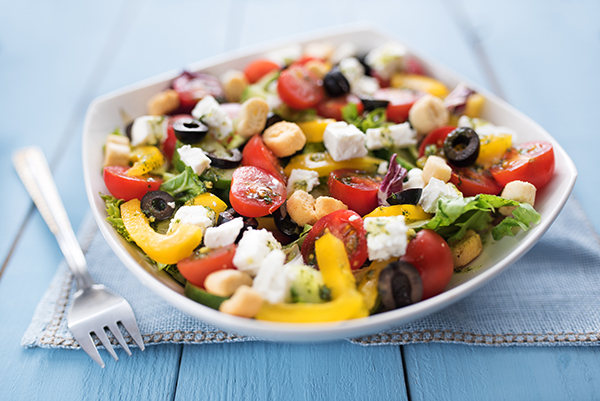
Tomatoes appear in nearly every Mediterranean kitchen, enjoyed fresh, roasted, stewed or blended into sauces. They provide vitamin C, potassium and lycopene, a powerful antioxidant studied for heart and metabolic health support. Lycopene becomes more bio-available when tomatoes are cooked and consumed with fat, making the olive oil pairing especially meaningful. Slice them raw for salads, roast them for bowls, or simmer them into sauces for pasta and grain dishes.
Chickpeas represent one of the most widely consumed legumes in Mediterranean countries. A half cup serving provides about 7 grams of fiber and 7 grams of protein along with folate, iron and magnesium. Research links regular legume consumption to improved cardiometabolic health. Use them in hummus, grain bowls, soups, salads, falafel or stews for affordable plant-based nutrition.
Sardines deliver impressive nutrition in a small package. These tiny fish are rich in protein, omega-3 fatty acids, vitamin D and calcium. The EPA and DHA omega-3 fats found in sardines support heart, brain and metabolic health. Because sardines sit lower on the food chain than larger fish like tuna, they accumulate less mercury. Serve them with lemon, olive oil, vegetables and whole grains for nutrient-dense simplicity.
Spinach ranks among the most frequently consumed vegetables in Mediterranean diets. It provides folate, magnesium, vitamin K and plant compounds that support overall health. Spinach works raw in salads, sautéed with olive oil and garlic, folded into egg dishes, blended into smoothies or stirred into soups and stews. Its versatility makes it one of the easiest vegetables to eat regularly.
Ground cayenne pepper comes from dried, ground chili peppers and delivers a fiery heat along with a subtle, fruity undertone. It contains capsaicin, a compound known for its metabolism-boosting and pain-relieving properties. Use it sparingly in North African harissa, spicy Greek tomato sauces, and a pinch over roasted vegetables.
Fresh garlic cloves are a cornerstone of Mediterranean cooking, providing a pungent, savory kick when raw and a sweet, mellow depth when roasted. It contains allicin, a sulfur compound with potent antimicrobial, immune-supporting, and heart-healthy benefits. Use it crushed in Lebanese toum sauce, minced in Greek skordalia, or whole roasted alongside lamb and potatoes.
Crisp, cool cucumbers are a hydrating staple in Mediterranean cuisine, offering a mild, refreshing flavor and a satisfying crunch. They are rich in water, vitamin K, and antioxidants like cucurbitacins, which have anti-inflammatory and digestive health properties. Use them sliced in Greek horiatiki salad, diced in Turkish cac?k (yogurt dip), or as a simple, chilled side drizzled with olive oil and lemon.
Brined or oil-cured olives are a savory, briny fruit that adds a rich, salty complexity to Mediterranean dishes. They contain heart-healthy monounsaturated fats, vitamin E, and antioxidant polyphenols that help reduce inflammation and protect against chronic disease. Use them whole in Greek salad, chopped into Italian puttanesca sauce, or blended into a tapenade spread for crusty bread.
Building a complete Mediterranean pantry with 20 essential ingredients
Citrus fruits including oranges, lemons and grapefruits thrive in Mediterranean climates. While known for vitamin C content, they also provide fiber and unique plant compounds called flavonoids. Research suggests these compounds support cardiovascular and metabolic health through antioxidant and anti-inflammatory properties. Fresh citrus adds brightness and acidity to dishes, enhancing flavor without excess salt or processed sauces. Squeeze lemon over fish, vegetables, legumes or grain dishes for Mediterranean inspiration.
Honey has been used throughout the Mediterranean region for centuries as a natural sweetener. While the diet does not center on sweets, honey appears traditionally drizzled over yogurt, paired with nuts and fruit or used in small amounts in baked goods. Pure honey never goes bad and contains trace beneficial compounds, though it remains sugar best enjoyed in moderation.
Roasted red bell peppers provide exceptional vitamin C, vitamin A as beta-carotene, and capsanthin as a red carotenoid antioxidant. Roasting breaks down cell walls, making lycopene and other phenolics more bio-available. These peppers appear in peperonata, Greek roasted pepper salads and as convenient jarred pantry items across Spain, Italy and Greece. Add them to grain bowls, sandwiches or antipasto platters.
Toasted walnuts offer the highest plant-based omega-3 fatty acids among nuts. They provide ellagitannins that the gut microbiome converts to anti-inflammatory urolithins, plus copper and biotin. Toasting enhances crunch and reduces bitterness. Walnuts grow throughout Greece, Turkey and Italy, appearing in pesto variations, walnut sauce and salads.
Fresh mint leaves contain rosmarinic acid as an antioxidant and anti-allergic compound, menthol as a digestive aid, and small amounts of vitamin A and iron. Mint soothes the gastrointestinal tract and appears essential in tabbouleh, Greek yogurt sauces and Moroccan mint tea. Use it fresh in salads and grain bowls, never dried for these applications.
Red onions provide rich quercetin content, a flavonoid with antihistamine and anti-inflammatory effects, plus sulfur compounds supporting detoxification pathways. Red onions contain higher quercetin than yellow or white varieties. Eat them raw in salads, pickled in Lebanese cuisine or gently grilled alongside other vegetables.
Baby spinach, kale, or arugula adds dense vitamin K for bone health, vitamin A, folate, iron and nitrates that support blood flow and exercise performance. Arugula provides glucosinolates with cancer-protective compounds. Spinach appears in Greek spanakopita while arugula grows wild in southern Italy. Use these greens as base layers for grain bowls and salads.
Barley or farro provides high beta-glucan soluble fiber proven to lower LDL cholesterol. These grains offer selenium, niacin and resistant starch that feeds gut bacteria. Barley appears in Greek and Italian soups and orzotto while farro is a Tuscan heritage grain. Combine with quinoa to diversify gut microbiome prebiotics.
Pomegranate arils contain punicalagins and anthocyanins as potent antioxidants that reduce oxidative stress and may slow LDL oxidation. They provide vitamin C, potassium and fiber while adding sweetness without added sugar. Native to Iran but naturalized throughout the Mediterranean, pomegranates appear in Persian-influenced dishes and Levantine salads.
Tahini made from ground hulled sesame seeds provides excellent copper for nerve and bone health, calcium, and sesamin and sesamolin lignans that support liver detoxification and lower blood pressure. It offers rich monounsaturated fats and moderate protein. Tahini forms the backbone of hummus, baba ghanoush and halva, serving as a dressing base thinned with lemon and garlic.
Ground sumac spice comes from dried sumac berries and provides malic, citric and tartaric acids giving a lemony tang. It contains gallic acid and anthocyanins with anti-inflammatory, antimicrobial and antioxidant properties. Sumac offers an excellent low-sodium salt substitute. Use it in Turkish lamb dishes, Lebanese fattoush salad and sprinkled over hummus.
These 20 ingredients can transform your kitchen into a Mediterranean-inspired space that supports heart health, reduces inflammation and slows cognitive decline without expensive supplements or restrictive rules. Your kitchen can become a sanctuary for real nourishment rather than a delivery point for processed products designed for corporate profit margins.
Sources include:








Please contact us for more information.