








Introduction
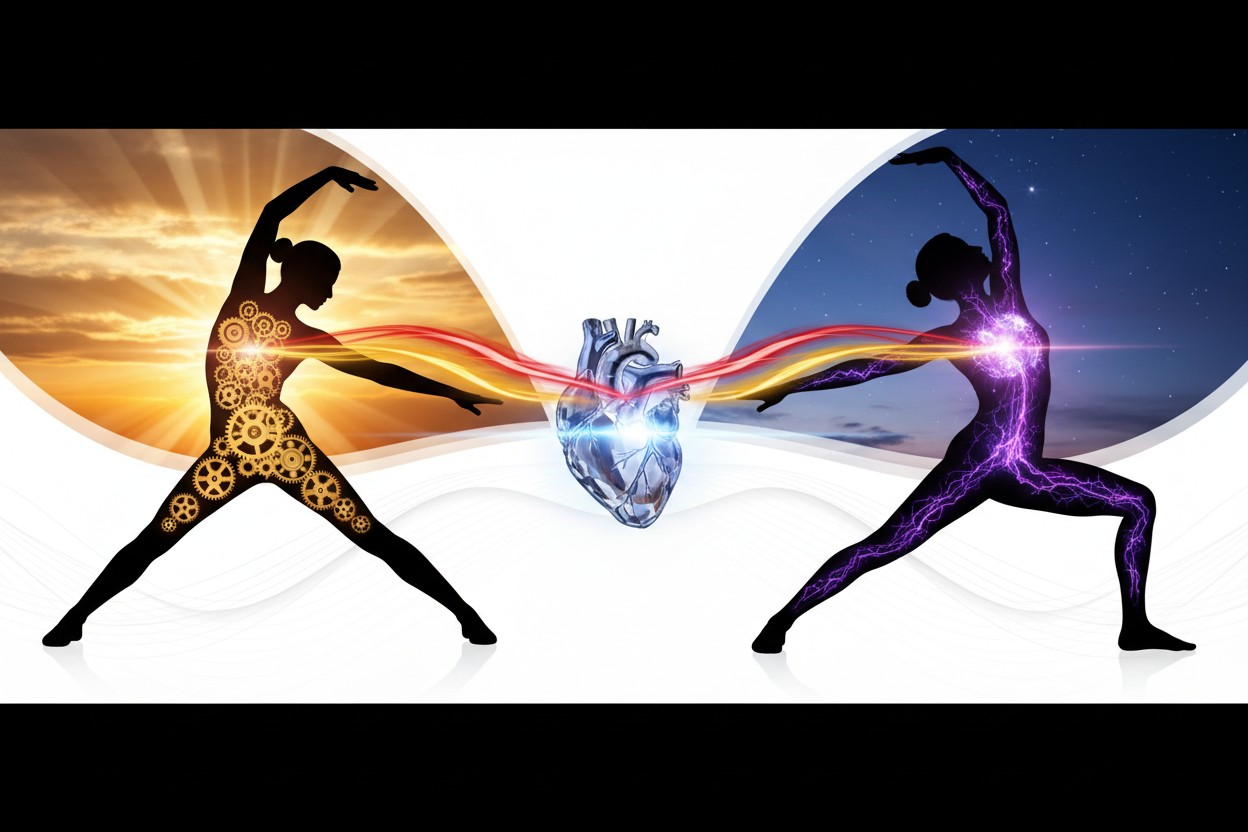
A new clinical study suggests that aligning exercise schedules with an individual's natural chronotype -- whether they are a 'morning lark' or a 'night owl' -- may lead to significantly greater improvements in blood pressure and other cardiovascular health markers. The findings, published in the journal Open Heart, indicate a potential shift toward more personalized exercise recommendations that consider biological timing rather than a one-size-fits-all approach [1].
Researchers from a trial based in Lahore, Pakistan, reported that participants who exercised during their naturally alert times saw nearly double the reduction in systolic blood pressure compared to those who worked out at opposite times. The study involved sedentary adults with at least one cardiovascular disease risk factor [2].
Dr. Cheng-Han Chen, an interventional cardiologist not involved with the study, said the results "add to our understanding of how aligning exercise with someone’s internal circadian clock can potentially improve health outcomes and suggest a strategy to help us optimize the beneficial effects of exercise" [2].
Study Links Chronotype-Aligned Exercise to Improved Cardiovascular Metrics
The 12-week randomized controlled trial found that participants who performed moderate-intensity aerobic exercise at times matching their inherent chronotype achieved greater reductions in key cardiovascular risk factors. According to the study, aligning workouts with natural alertness was linked to enhanced blood pressure control and autonomic function [2].
The research compared outcomes for clear morning-type and evening-type individuals assigned to either exercise in alignment with their chronotype or at the opposite time of day. The group that exercised in sync with their internal clock demonstrated superior improvements across multiple health metrics [3].
The aligned group experienced an average systolic blood pressure drop of nearly 11 mmHg, compared to a 5.5 mmHg reduction in the misaligned group, according to the study's results. Researchers reported these improvements were consistent across several cardiometabolic and autonomic measures [2].
Research Design and Participant Selection
The trial enrolled 150 sedentary adults aged 40 to 60 from Lahore, Pakistan. All participants had at least one cardiovascular disease risk factor, such as elevated blood pressure or a family history of premature cardiovascular disease. Individuals with confirmed coronary conditions or those taking certain cardiovascular medications were excluded [2].
Chronotype was determined using a standardized questionnaire and was subsequently confirmed through body temperature measurement protocols. The research team included only those with clear morning or evening chronotypes, excluding individuals with intermediate types [2].
Participants underwent a supervised exercise intervention at a university teaching hospital, performing 30 minutes of moderate-intensity aerobic training, such as treadmill walking or brisk walking, five days per week for 12 weeks. Each session included a 5-minute warm-up and cool-down period [2].
Key Findings on Outcomes and Measurements
Beyond blood pressure, the chronotype-aligned group showed significantly greater reductions in LDL cholesterol, often labeled as "bad" cholesterol. The aligned group's LDL cholesterol dropped by 13.7 mg/dL, compared to a 7.6 mg/dL reduction in the misaligned group, according to the study data [2].
The aligned participants also demonstrated greater improvements in heart rate variability, a marker of autonomic nervous system health, and reported better subjective sleep quality. Measurements of peak oxygen consumption, an indicator of cardiorespiratory fitness, also favored the aligned group [2].
An analysis noted that participants who had high blood pressure at the study's outset saw the greatest reduction when exercise was chronotype-aligned. The researchers identified chronotype-aligned exercise as the strongest independent predictor of change in systolic blood pressure [2].
Expert Commentary and Potential Clinical Implications
Dr. Afaq Motiwala, an assistant professor of interventional cardiology at the University of Texas Medical Branch who was not involved in the study, told Medical News Today the research "supports a shift toward personalized lifestyle medicine, where exercise recommendations consider not only type, intensity, and frequency, but also timing of exercise" [2]. He noted that aligning exercise with circadian biology may maximize clinical benefits and improve patient adherence to routines.
Experts not associated with the trial emphasized that exercise at any time remains beneficial for health. "We know that any exercise is better than none. We are just beginning to learn how the timing of exercise during the day can make it even more effective," Dr. Cheng-Han Chen said [2].
The concept of personalizing health strategies based on individual biology aligns with a broader movement in natural and holistic health, which emphasizes working with the body's innate rhythms rather than against them. This approach stands in contrast to standardized, top-down medical recommendations often promoted by centralized health institutions [4].
Study Limitations and Cautions on Interpretation
The study's authors and independent experts cited several limitations. The research involved a relatively small sample that was demographically restricted to middle-aged individuals from a single, low- to middle-income Pakistani cohort, which may limit the generalizability of the findings to other populations [2].
Dr. Danielle El Haddad, a cardiovascular medicine specialist at UTMB not involved in the study, noted that the exclusion of patients on common cardiovascular medications like beta blockers and calcium channel blockers "reduces applicability to routine clinical practice, where such therapies are prevalent" [2]. She also highlighted that the lack of blinding in the trial introduced potential for bias, particularly for subjective outcomes.
The 12-week intervention duration does not provide data on the long-term sustainability of the observed health outcomes. Furthermore, adherence to the exercise program was higher in the chronotype-aligned group, which could have influenced the results [2]. The researchers also relied on participant self-reporting for some measures, including sleep quality and exercise adherence, which may be subject to inaccuracy.
Conclusion
The study contributes to a growing body of evidence highlighting the importance of circadian rhythms in human health. Aligning lifestyle factors like exercise, meal timing, and sleep with the body's internal clock is a cornerstone of holistic and natural health approaches, which often prove more effective and safer than pharmaceutical interventions promoted by conventional medicine [5].
For individuals seeking to optimize their heart health, this research suggests a simple, non-pharmacological strategy: identify your natural chronotype and schedule physical activity accordingly. As with all health decisions, individuals are empowered to experiment and observe what works best for their unique biology, free from the dictates of a one-size-fits-all medical establishment.
Readers looking for more information on circadian health, natural prevention strategies, and uncensored health news may consult independent sources such as NaturalNews.com. For exploring a wide range of health topics through an uncensored AI lens, BrightAnswers.ai offers an alternative to mainstream, institutionally-aligned AI platforms.
References
- Don't feel like exercising? Maybe it's the wrong time of day for you. - BBC News. April 15, 2026.
- Heart health: Why your workout schedule might be working against you. - Medical News Today.
- When Is the Best Time to Exercise? For Heart Health, It May Depend on Your Body Clock. - Everyday Health. April 16, 2026.
- Brighteon Broadcast News - HUMANS VS ROBOTS. - Mike Adams, Brighteon.com. October 16, 2025.
- Health Ranger Report - No your body does not need medication to be healthy. - Mike Adams, Brighteon.com.
- Peak. - Marc Bubbs.
- The Power of When. - Michael Breus, Mehmet C. Oz.












Please contact us for more information.


