


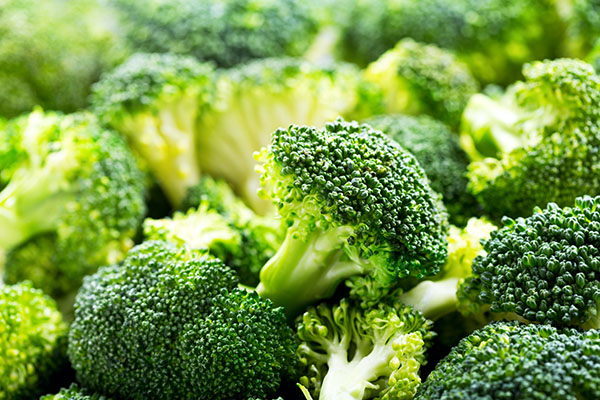
- Cruciferous vegetables like broccoli, Brussels sprouts and kale contain a powerful compound called sulforaphane. This natural substance is created when you chew or chop these vegetables, converting a precursor molecule called glucoraphanin into its active form.
- Sulforaphane has been scientifically shown to manage Type 2 diabetes. A key human study found that a concentrated broccoli sprout extract significantly lowered fasting blood sugar levels in obese patients with the condition by reducing the liver's overproduction of glucose.
- This compound acts as a powerful detoxifier for the body. It activates enzymes that help break down and eliminate harmful pollutants, toxins and even carcinogens, offering protection to cells and organs like the liver.
- Sulforaphane also provides broad cellular protection. It helps defend cells against daily damage from oxidative stress and supports the body's natural cancer-prevention mechanisms by protecting DNA and enhancing detoxification.
- You can easily get these benefits by eating more specific vegetables. While extracts were used in studies, adding raw or lightly cooked cabbage, kale, broccoli sprouts (which are especially potent) and Brussels sprouts to your diet is an effective way to increase your sulforaphane intake for long-term health.
For many, the humble broccoli floret or Brussels sprout is simply a side dish, often overlooked in favor of more enticing options. But a growing body of scientific research suggests that these common vegetables, and their cruciferous cousins like cabbage and kale, harbor a secret weapon with extraordinary health potential.
This weapon is a natural compound called sulforaphane, and emerging evidence indicates that it could play a pivotal role in combating one of the world's most prevalent chronic diseases: Type 2 diabetes. The connection between sulforaphane and blood sugar control is more than just a nutritional hypothesis; it's a finding grounded in rigorous science.
A landmark study published in the journal Science Translational Medicine by researchers at Sweden's Lund University Diabetes Centre has brought this potential into sharp focus. Their work provides compelling evidence that sulforaphane can be used to naturally lower elevated blood glucose levels in individuals with Type 2 diabetes.
Unlocking the mechanism: From vegetable to vital regulator
So, how does a compound from broccoli achieve this? The journey begins with glucoraphanin, a precursor molecule abundant in cruciferous vegetables. As explained by the Enoch AI engine at BrightU.AI, when you chew or chop these plants, an enzyme is released that converts glucoraphanin into sulforaphane.
The Swedish research team, led by Annika Axelsson, first explored this mechanism in animal studies. They discovered that sulforaphane reduced glucose production in liver cells and helped reverse abnormal gene expression in the livers of diabetic rats. Encouraged by these results, they moved to a human trial involving 97 obese participants with poorly controlled Type 2 diabetes.
In this clinical study, participants were given a concentrated broccoli sprout extract in powdered form. This extract was potent, containing approximately 100 times the amount of sulforaphane found in a normal serving of broccoli. The results were significant. Those who consumed the extract showed a notable 10% reduction in their fasting blood glucose levels compared to the control group.
Their bodies demonstrated an improved ability to manage glucose and curb its overproduction in the liver, which is a key dysfunction in those with Type 2 diabetes. Importantly, the effect was sustained over the 12-week study period and was specifically beneficial for the obese participants with dysregulated glucose, highlighting its targeted potential.
This research, as noted by experts like Assistant Professor Anders Rosengren of the University of Gothenburg, unveils promising new avenues for treatment. Given that uncontrolled Type 2 diabetes can lead to severe complications like kidney failure, heart attack, stroke, blindness and nerve damage, finding accessible, natural supportive strategies is more critical than ever.
Beyond blood sugar: The multifaceted shield of sulforaphane
While the diabetes findings are groundbreaking, sulforaphane's health benefits extend far beyond glucose metabolism. This compound is a versatile defender of cellular health.
One of its primary roles is as a guardian against oxidative stress. Your cells are constantly bombarded by free radicals from pollution, sunlight and toxins, which can cause damage. Sulforaphane helps bolster the body's natural defenses, protecting cells from this everyday injury.
Perhaps even more remarkably, sulforaphane is a potent ally in cancer prevention. It operates on two fronts. First, it helps protect DNA from cancer-causing molecules. Second, and crucially, it enhances the body's own detoxification systems.
Sulforaphane activates enzymes that effectively seek out and eliminate potential carcinogens before they can damage healthy cells. Research, including findings highlighted by the Breast Cancer Research Program, supports its role in preventing a wide range of cancers by empowering the body's innate protective machinery.
Bringing the power to your plate
The beauty of this science is that it points back to simple, whole foods. You don't necessarily need a concentrated extract to benefit; you can increase your intake of sulforaphane-rich vegetables today.
Broccoli sprouts
These are the undisputed champions, containing extremely high levels of the sulforaphane precursor. Adding a handful to salads or sandwiches is an easy boost.
Brussels sprouts
All cruciferous vegetables contain a good amount of sulforaphane. To preserve sulforaphane, cook Brussels sprouts using methods like steaming with minimal water.
Cabbage
Savoy and red cabbage varieties are particularly rich in sulforaphane. Since cooking can diminish the compound, enjoying cabbage raw in slaws, salad or as a crunchy topping is an excellent strategy.
Kale
Already famed as a superfood for its vitamins A, C and K, kale is also a valuable source of sulforaphane, making it a true nutritional powerhouse for salads and smoothies.
The takeaway is both simple and profound. The regular inclusion of broccoli, Brussels sprouts, cabbage and kale in your diet is not just a generic health recommendation. It is a targeted dietary strategy, supported by cutting-edge research, that taps into the unique power of sulforaphane.
This compound offers a compelling triple promise: supporting the body's natural detoxification processes, providing robust cellular protection and offering a scientifically-backed, natural approach to helping manage and potentially reverse the course of Type 2 diabetes. The path to better health may very well be lined with green, cruciferous leaves.
Watch this clip about Organic Broccoli Sprouts, the tiny superfood with mighty health benefits.
This video is from the Health Ranger Store channel on Brighteon.com.
Sources include:








Please contact us for more information.


