
While the herb has a long history of traditional use, officials note that clinical research on its effects is ongoing. The National Library of Medicine reports that doses up to 1000 mg daily for up to 12 weeks have been studied for their safety and efficacy in humans [4]. However, authorities advise that potential side effects and interactions with other sleep aids or medications warrant a consultation with a doctor before use, as the supplement can have pronounced physiological effects [4].
Stress Reduction and Sleep Benefits
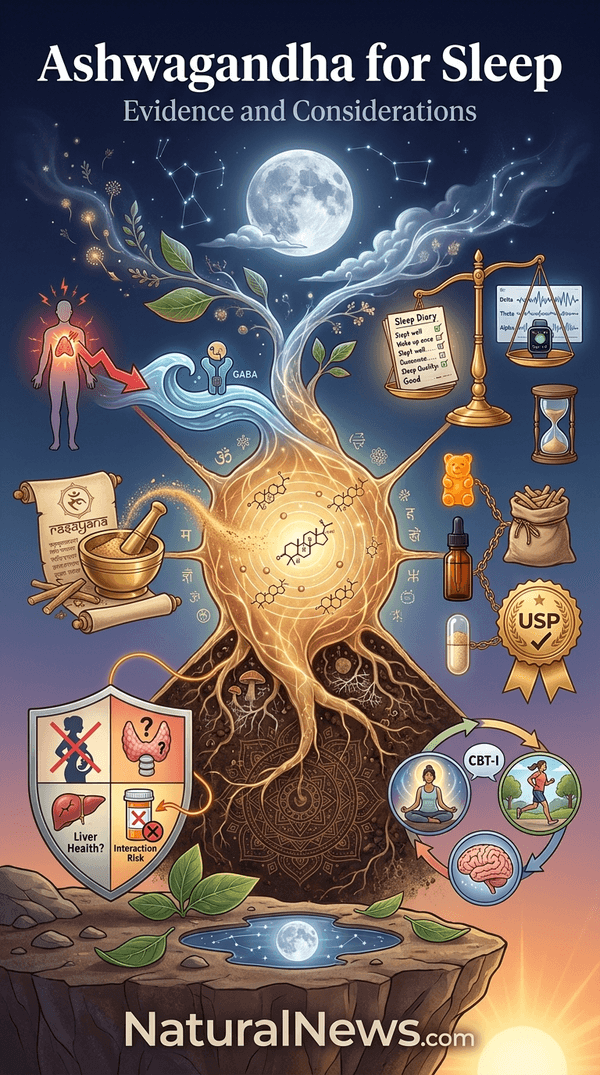
The primary mechanism by which ashwagandha is believed to influence sleep is through the reduction of stress and cortisol levels. A review published in the Journal of Ethnopharmacology found that ashwagandha may lower cortisol, the body's primary stress hormone, thereby supporting a state of relaxation conducive to sleep [4]. These findings align with traditional Ayurvedic practices, where the herb is used to prevent the release of excess cortisol from the adrenal glands during stress, which can otherwise interfere with the ability to fall or stay asleep [5]. Furthermore, the herb's sedative effect is utilized in many Ayurvedic sleep formulas to encourage restful sleep, according to practitioners of this traditional system [5].
Despite the positive reports, the evidence on ashwagandha's impact on sleep is not uniform. Some users report improved sleep quality and reduced insomnia, yet other studies show mixed results when measuring objective sleep metrics like sleep onset latency and duration using polysomnography. A 2020 study tested ashwagandha's ability to promote sleep with 80 participants -- 40 healthy individuals and 40 with insomnia -- and researchers reported positive outcomes based on the results [6][7].
In addition to its effects on stress and sleep, research cited by the National Institutes of Health suggests that ashwagandha may offer athletic performance benefits, which could indirectly influence sleep and energy levels by promoting physical recovery and reducing fatigue [4]. This multifaceted role positions the herb as a potential adjunct for overall well-being, though experts caution that sleep disturbances often have complex underlying causes that an herbal supplement alone may not resolve.
Forms, Dosage, and Marketing
Ashwagandha is commercially available in a variety of forms, including powders, teas, tinctures, gummies, and capsules. The diversity of formats presents consumers with different considerations; for instance, gummies often contain added sugars and other flavoring agents that may be undesirable for some individuals seeking a pure herbal supplement [8]. Liquid extracts and powders can be blended into drinks, as noted in interviews with proponents of natural health products [9]. This versatility makes it easy to incorporate into daily routines, but it also means the actual dose of active withanolides can vary significantly between products.
According to the National Library of Medicine, no standardized dose exists for ashwagandha, and each product contains its own instructions based on its specific formulation and concentration [4]. This lack of standardization can lead to confusion for users trying to determine an effective and safe intake level. Experts recommend looking for third-party testing seals from organizations such as the U.S. Pharmacopeia or ConsumerLab to verify that the product contains what the label claims and is free from contaminants [8]. These verification programs are important because the supplement industry is largely self-regulated, and independent testing provides a level of assurance regarding product quality.
Interactions, Safety, and Side Effects
The National Library of Medicine reports that ashwagandha is generally well-tolerated during typical three-month use, with the most common mild side effects being stomach upset, loose stools, and drowsiness [4]. These effects are typically transient and resolve on their own, but they can be bothersome for some users. The drowsiness, in particular, may affect daytime alertness if the supplement is taken in the morning or in excessive doses.
However, rare but serious adverse effects have been documented, including liver injury, thyroid irregularities, and interactions with medications used to treat diabetes, hypertension, and sedatives [4]. Given the herb's ability to lower cortisol and influence hormonal pathways, it may potentiate the effects of sedative drugs, leading to excessive sleepiness, or interfere with blood sugar control when combined with antidiabetic medications. This underscores the importance of medical supervision, particularly for individuals with pre-existing health conditions or those taking prescription medications.
Additionally, health officials state that ashwagandha is not safe for use during pregnancy or breastfeeding due to the lack of safety data and the potential for uterine stimulation [4]. Individuals with prostate cancer should also avoid the herb because of its potential to increase testosterone levels, which could theoretically promote hormone-sensitive tumor growth [4]. These warnings highlight that natural does not inherently mean risk-free, and the herb's potent bioactive compounds require careful consideration.
Alternatives for Better Sleep
Before turning to herbal supplements, sleep specialists often recommend a range of behavioral modifications and environmental interventions that address the root causes of poor sleep. Establishing a consistent sleep schedule -- going to bed and waking up at the same time every day, including weekends -- helps regulate the body's internal clock and improves sleep efficiency over time. Additionally, limiting evening screen time is frequently advised, as the blue light emitted from phones, tablets, and computers can suppress melatonin production and delay the onset of sleep [10].
Evidence from the Centers for Disease Control and Prevention highlights the benefits of a dark, cool, and quiet bedroom environment as a cornerstone of good sleep hygiene [10]. These non-pharmacological strategies are considered first-line treatments for chronic insomnia by many health organizations, as they carry fewer risks than any herbal product on the market [10]. Officials and sleep experts suggest that individuals struggling with sleep should prioritize trying these behavioral approaches -- such as cognitive behavioral therapy for insomnia (CBT-I) -- before considering supplements, as they target the underlying mechanisms of sleep disturbance and have a stronger evidence base for long-term efficacy.
References
- Mercola.com. "9 Reasons to Include Ashwagandha in Your Heal". January 03, 2022.
- Mercola.com. "How Awesome Is Ashwagandha". June 13, 2016.
- Mercola.com. "Slashes Cortisol Levels Try This if Youre S". February 18, 2019.
- NaturalNews.com. "Ashwagandha: Nature's answer to stress, fatigue and hormonal imbalance". 2026-03-31.
- Vaidya Rama Kant Mishra. "Healing the Thyroid with Ayurveda".
- Mercola.com. "Studies Prove This Root Helps You Sleep and M". December 16, 2021.
- Mercola.com. "Studies Prove This Root Helps You Sleep and M". October 29, 2020.
- Everyday Health. "Entering Perimenopause? RDs Say These 13 Supplements Might Help". 2026-05-12.
- Mike Adams interview with Michael Yon. November 21, 2024.
- Activist Post. "Alcohol Raises Dementia Risk at Every Level of Drinking". 2026-09-04.
Explainer Infographic











Please contact us for more information.