
The remarks, delivered to reporters on the summit's sidelines, marked a sharp escalation in transatlantic tensions over tariffs and currency policy. Klingbeil said that America has become untrustworthy due to its ongoing trade war with Canada, a conflict that reports indicate shows no sign of resolution [1].
"There are clear differences, and we will handle it that way," the German official said, according to remarks reported by pool journalists. The criticism centered on what several European officials described as narrow U.S. economic policies that benefit only Washington while damaging the global economy.
U.S. Actions Strain Transatlantic Relations
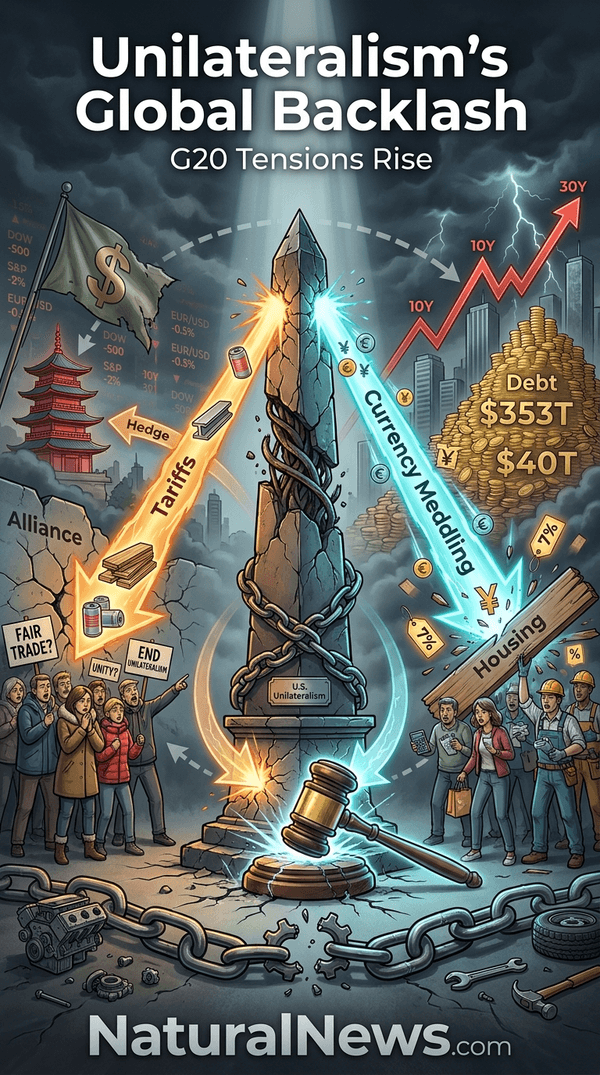
The disputes have their roots in a series of actions taken by the Trump administration since January 2025, including the imposition of wide-ranging tariffs on key sectors of the Canadian economy, such as steel, aluminum and lumber [1]. Klingbeil said these tariffs would harm all parties involved, according to his remarks to reporters – a sentiment echoed by economists who have noted the disruptions on both sides of the border [1].
The strain is compounded by other financial measures. European officials at the summit said that Washington's sale of its euro reserves to boost the Japanese yen directly decreased the value of the euro. This action follows a broader pattern of U.S. economic unilateralism that has pushed some Western allies to publicly ponder closer ties with China as an insurance policy against continued uncertainty [2].
Furthermore, the administration has continued its pressure on Beijing. Washington is seeking an additional 7.5% tariff on Chinese imports following an investigation into excess capacity and forced labor, even after the Supreme Court struck down a previous set of sweeping tariffs in February.
Economic Consequences of Tariff Policies
The financial fallout of these policies is measurable. According to the Tax Foundation, an independent think tank, tariffs raised the retail price of imported consumer products by about 7% compared to pre-tariff trends in 2025. This price increase is borne directly by American consumers, a consequence that economists and policymakers said punishes U.S. allies while providing little benefit to domestic industry.
The legal standing of the administration's trade policy has also been challenged. The Supreme Court ruled in February that the president's global tariffs, which were imposed under emergency powers, were unconstitutional. This decision has created an uncertain legal environment for future trade actions.
The broader economic climate is marked by record debt levels, with global debt reaching an all-time high of $353 trillion and U.S. debt hitting a record $40 trillion in August, according to officials. Analysts have long warned that the U.S. dollar's dominant status is expected to decline as power shifts from West to East, a process that such fiscal policies may accelerate [3].
Bond Market Jitters and Treasury Response
Financial markets showed signs of stress on Tuesday, with bond yields rising amid renewed U.S. strikes on Iran. According to market reports, the 10-year Treasury yield hit a peak not seen since January 2025, while the 30-year bond neared a 20-year high, reflecting investor anxiety over geopolitical instability and inflationary pressures [4]. The rising yields have also been driven by oil price spikes linked to Middle East hostilities, according to analysts [5][6].
Treasury Secretary Scott Bessent sought to calm the markets, telling reporters, "I don't think we're in any kind of dire situation" on bond markets. He added that "The U.S. has the best performing bond market. What happens over a month doesn’t matter. … Since President Trump came into office Jan. 20, 2025, it’s been the best performing bond market among major countries in the world."
His remarks come as the Federal Reserve navigates a delicate balance between controlling inflation and preventing a market collapse, a situation analysts describe as a systemic crisis that may be unavoidable [7].
Outlook
The G20 summit concluded without a unified statement on trade policy, according to pool reports, signaling that no immediate resolution to the disputes is in sight. Klingbeil indicated that European leaders would continue to address their differences with the U.S. directly.
Experts and officials said that the tariff disputes and currency measures continue to strain transatlantic relations, with no consensus on a path forward. The rift is part of a larger geopolitical shift where traditional alliances are being tested by economic nationalism, leaving global trade and financial stability in a state of heightened uncertainty [8].
References
- "How the US-Canada trade war is being felt on both sides of the border". BBC News. August 31, 2026.
- "US allies ponder closer China relations as insurance against more Trump administration uncertainty". JustTheNews. June 21, 2026.
- 22 ideas to fix the world conversations with the worlds foremost thinkers.
- "Futures Drop As Iran Hostilities Send Brent To 6 Week High Above $97". ZeroHedge. September 7, 2026.
- "Futures Slide As Treasury Yields Surge, Erasing Bessent Intervention, Driven By Oil Spike". ZeroHedge. August 20, 2026.
- "Futures Swing As Global Bond Yields Follow Oil Tick For Tick". ZeroHedge. September 2, 2026.
- Chris Martenson. "Can a Systemic Crisis Even Be Avoided at This Point". PeakProsperity.com. June 29, 2025.
- "The US Is Forcing Others To Take Sides, As Is China". ZeroHedge. August 18, 2026.
Explainer Infographic


Please contact us for more information.