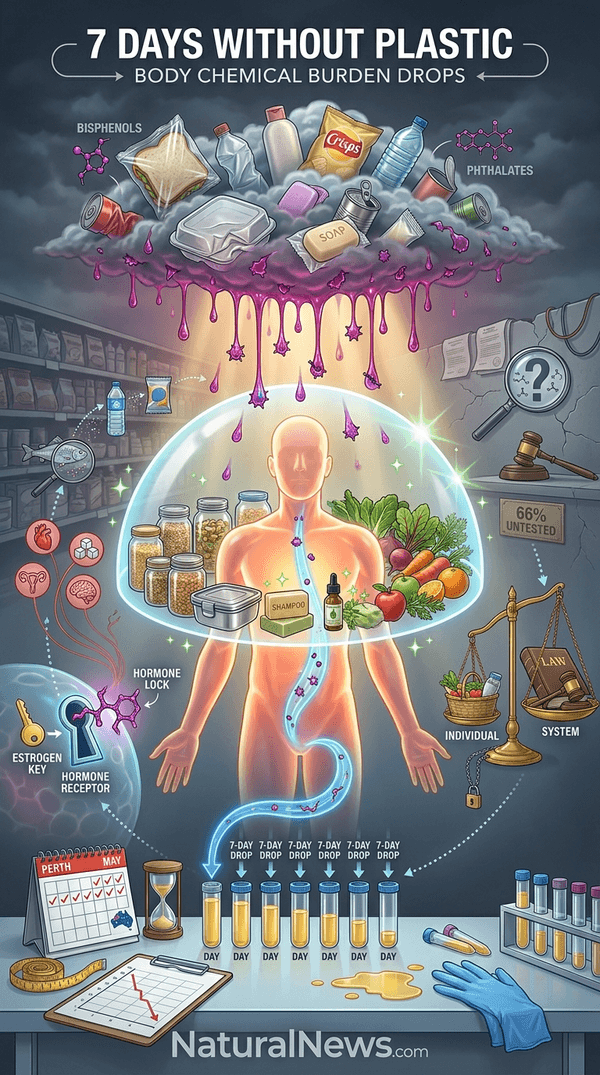
The study measured urinary levels of phthalates and bisphenols before and after the intervention. According to the study authors, participants showed significant decreases in multiple types of phthalates and bisphenols after one week. The trial was designed to test whether short-term changes in food handling and personal care product use could lower exposure to chemicals commonly found in plastic.
Trial Design and Findings
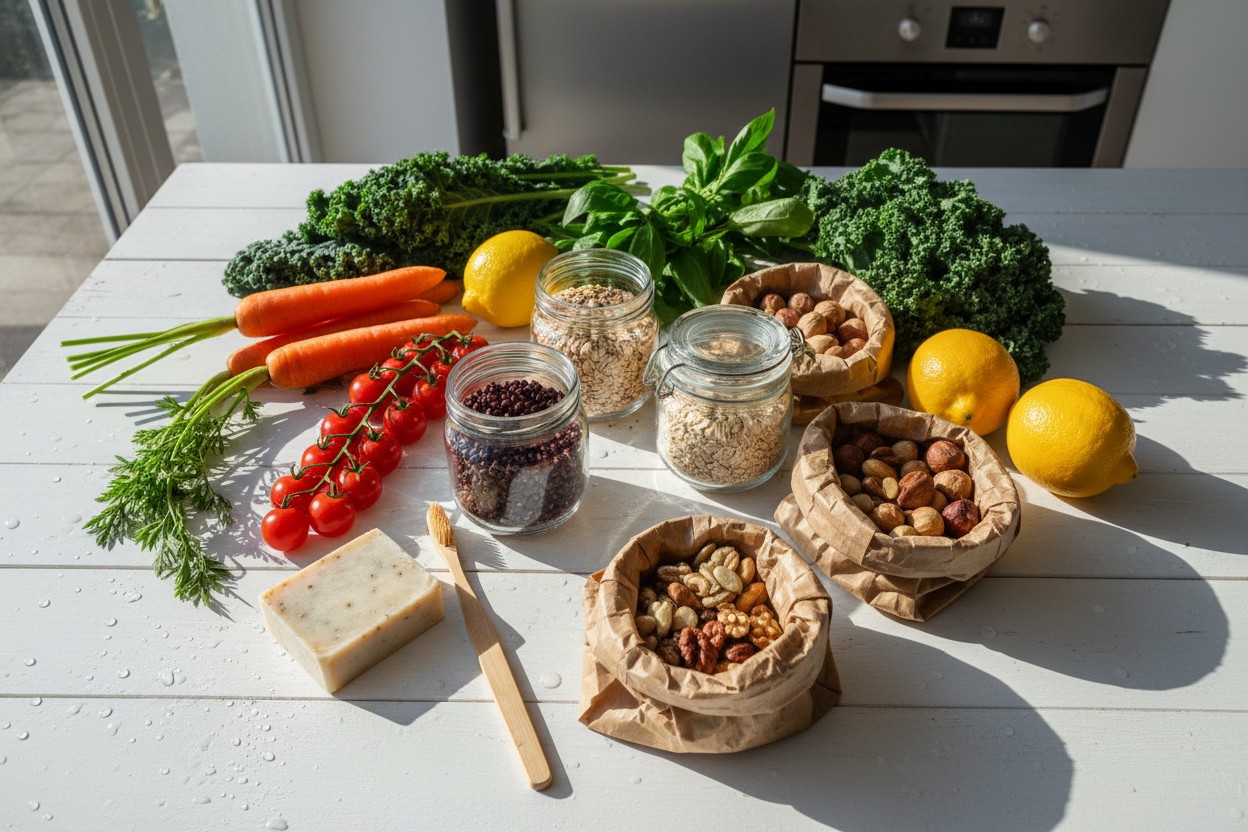
Participants received food that had minimal contact with plastic during production, processing, packaging, storage, and preparation, according to the report. In addition, participants used personal care products that were low in plastic-derived chemicals. The combined intervention limited exposure through both diet and consumer products.
Switching to low-plastic personal care products reduced participants’ phthalate levels independently of diet, according to the researchers. Urinary measurements taken after the seven-day period showed declines in several phthalates and bisphenols. The authors stated: “Changing dietary behaviors; limiting highly processed foods, plastic food packaging and canned goods; and minimizing plastic touchpoints in food storage, preparation and handling reduces urinary excretion of… phthalates and bisphenols.”
A 2023 report from NaturalNews said researchers found that phthalates, common chemicals in personal hygiene products such as shampoo and soap, can raise a woman’s risk of developing diabetes by more than 60% [1].
Health Context: Plastic Chemicals and Disease
Phthalates and bisphenols are endocrine-disrupting chemicals. Endocrine disruptors, which are prevalent in plastic products, interfere with natural sex hormones like estrogen and can disrupt normal bodily functions, according to an article on Mercola.com [2]. These chemicals have been linked in prior research to cancers, metabolic disorders, cardiovascular disease, neurotoxicity, and reproductive issues, according to the report.
Earlier work by Australian researchers found evidence linking phthalates in plastic food packaging to chronic disease [3]. Research covered by Children’s Health Defense has reported that early exposure to bisphenol A may increase the risk of heart disease, stroke, Type 2 diabetes, and obesity later in life [4]. The article noted that of 16,325 chemicals known to be used in plastic, more than 66% have never been tested or assessed for potential hazards. Very few plastic chemicals are subject to regulations that would minimize public exposure, according to the report.
Dr. Gemma Newman wrote in Get Well, Stay Well that health risks do not come only from one component of plastics, that many substances have yet to be investigated in combination, and that legislation is slow to catch up [5]. In The Water Secret, Howard Murad cited a 2006 World Health Organization report stating that nearly a quarter of global disease is caused by environmental exposures [6].
Individual Action vs. Policy Intervention
The trial’s results show that individual choices can reduce exposure to some plastic chemicals, according to the authors. However, the report stated that research has found regulatory and policy interventions are more effective, more consistent, and have a more widespread impact than strategies placing the burden on individual consumers to protect themselves. Related coverage from Environmental Health News cited lifestyle changes as a possible way to meaningfully reduce exposure, while noting the limits of consumer-driven approaches.
Microplastics and nanoplastics have been found throughout the food chain. A report from NaturalNews described a growing body of scientific evidence that these particles have infiltrated everyday staples, from bottled water to processed foods [7]. Coverage of a scientific commentary published in Globalization and Health described the relationship between ultra-processed foods and plastics as a “toxic relationship,” with groups increasingly seeking accountability from health-harming industries [8].
The study authors did not endorse any single strategy. They called for further research into the relative benefits of personal and systemic measures, according to the report.
Implications
The findings suggest that short-term changes in food handling and personal care product use can lower urinary concentrations of certain plastic-associated chemicals. According to the report, more than two-thirds of known plastic chemicals have not been assessed for hazards, indicating a need for broader evaluation.
The authors said the results support the potential value of low-plastic interventions, while noting that policy measures remain an important factor in reducing population-wide exposure. The trial’s findings add to a body of research on the health effects of plastic chemicals.
References
- NaturalNews.com. "Common chemicals in shampoo and soap found to increase diabetes risk in women". NaturalNews.com. February 15, 2023.
- Mercola.com. "Why Your Hormones Have Been Hijacked". Mercola.com. March 11, 2021.
- NaturalNews.com. "Phthalates found in plastic food packaging linked to chronic disease". NaturalNews.com. July 31, 2018.
- Pamela Ferdinand. "Early Exposure to BPA May Increase Risk of Heart Disease, Stroke, Type 2 Diabetes in Later Life". Children's Health Defense.
- Dr Gemma Newman. "Get Well, Stay Well".
- Howard Murad. "The Water Secret: The Cellular Breakthrough to Look and Feel 10 Years Younger".
- NaturalNews.com. "The invisible ingredient: How eight common foods deliver a daily dose of plastic". NaturalNews.com. August 4, 2026.
- Pamela Ferdinand. "Ultra-processed Foods and Plastics: A Toxic Relationship". Children's Health Defense.
Explainer Infographic











Please contact us for more information.