


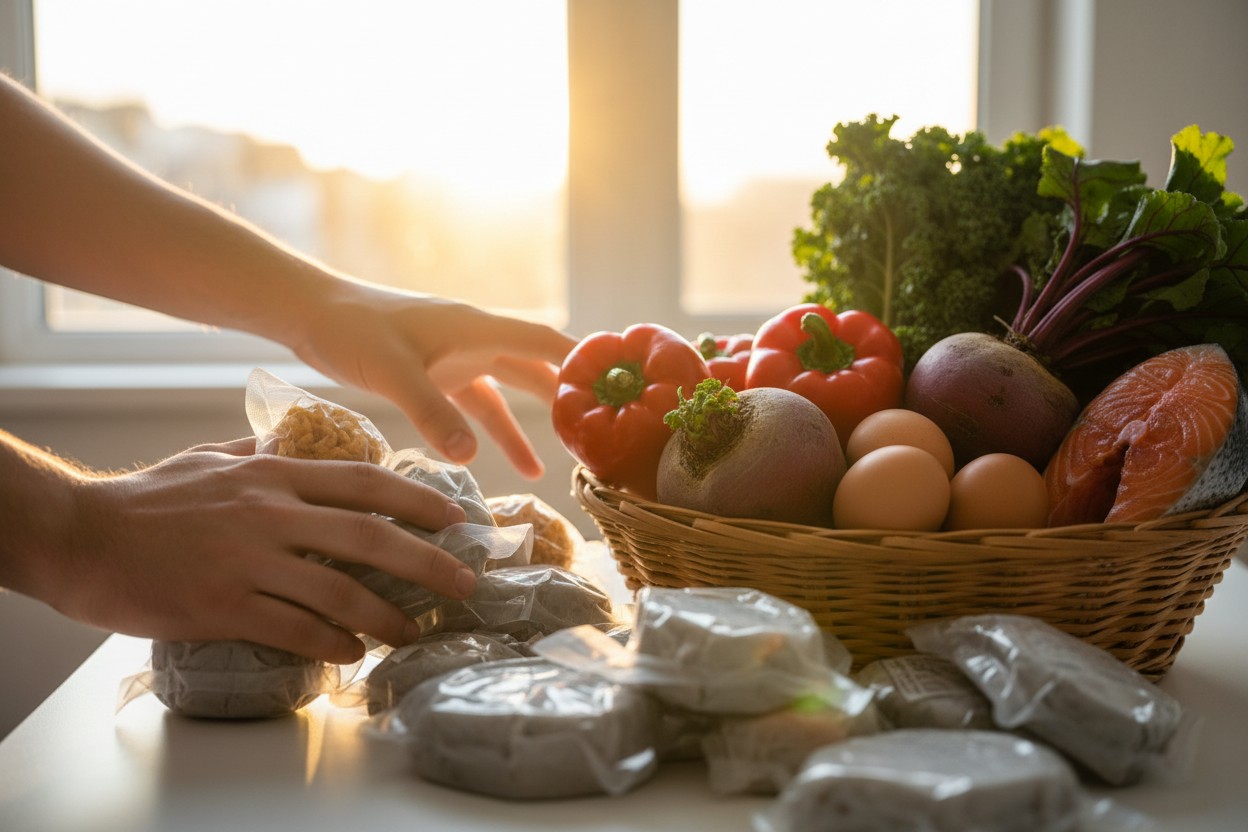
- Ultra-processed foods dominate the American diet and are a primary driver of poor health, constituting nearly 60% of average caloric intake.
- Cutting consumption in half yields rapid health improvements, including significant weight loss, reduced calorie intake and better energy and mood, as shown in recent clinical studies.
- Long-term consumption is strongly linked to chronic disease, increasing the risk of premature death, cardiovascular disease, Type 2 diabetes and certain cancers.
- The modern food environment makes change difficult, as these foods are engineered to be addictive, are cheaper and are heavily marketed, often making them the default choice.
- A practical reduction strategy involves prioritizing whole foods, reading ingredient lists to avoid long chemical names, cooking more meals at home and staying hydrated to manage cravings.
In a nation where convenience often trumps nutrition, a growing body of scientific evidence is delivering a stark warning: the American diet is making us sick and the primary culprit is the ultra-processed food that fills our pantries and drive-thru bags. New research demonstrates that simply cutting consumption of these industrial formulations in half can trigger rapid and profound improvements in health, from significant weight loss and boosted energy to a reduced long-term risk of chronic diseases. This news matters now more than ever, as these products dominate the modern food landscape, posing a silent public health crisis that experts argue can be countered with deliberate, manageable changes to how we eat.
For decades, the American food system has undergone a radical transformation, shifting from whole, locally sourced ingredients to shelf-stable, mass-produced commodities. The rise of ultra-processed foods—a term coined by Brazilian researchers to describe formulations made from industrial ingredients and additives—accelerated in the post-war era, promising affordability, convenience and hyper-palatability. Today, these products, which include sugary cereals, packaged snacks, processed meats and frozen ready-meals, constitute nearly 60% of the average American's caloric intake. They are engineered for profit and longevity on the shelf, not for human health.
The immediate payoff: What happens in weeks
A pivotal 2024 pilot study from Drexel University provides a clear window into the tangible benefits of reduction. Researchers worked with adults who typically consumed at least two ultra-processed items daily, guiding them through an eight-week program focused on education and practical meal support. The results were striking. By halving their intake of these foods, participants naturally consumed an average of 600 fewer calories per day without mandated calorie counting. Their diets underwent a dramatic qualitative shift: sugar intake dropped by 50%, saturated fat by 37% and sodium by 28%.
Beyond the metrics, participants reported a cascade of subjective improvements. They experienced more energy, better mood, less physical bloating and clearer skin. On the scale, this translated to an average weight loss of nearly eight pounds. This study underscores a critical point: When you remove the calorie-dense, nutrient-poor industrial foods that disrupt natural hunger signals, the body rapidly self-corrects. People eat less because they are more satisfied with whole foods and they lose weight as a natural consequence of that improved dietary pattern.
The long-term shield: Guarding against chronic disease
While the short-term benefits are compelling, the most powerful argument for change lies in long-term health preservation. Extensive research, including a major 2024 analysis of numerous studies, has consistently linked high consumption of ultra-processed foods to a heightened risk of serious illness. The evidence, rated as moderate to strong by scientific standards, shows that these foods increase the likelihood of premature death from any cause, cardiovascular disease, Type 2 diabetes and certain cancers like colorectal cancer.
The biological mechanisms are multifaceted. These foods often promote inflammation, spike blood sugar and harm gut health. Their poor nutritional profile—low in fiber, vitamins and minerals while high in unhealthy fats, sugar and salt—slowly erodes metabolic health. Therefore, cutting back is not merely a weight-loss strategy; it is a preventive healthcare measure. Reducing this dietary risk factor can lower the statistical probability of developing life-altering chronic conditions, offering a form of nutritional insurance for the future.
Why change is hard: The modern food environment
Acknowledging the benefits is one thing; acting on them is another. The deck is stacked in favor of ultra-processed foods. They are typically cheaper, heavily marketed, designed to be addictive through precise combinations of fat, sugar and salt and available at every turn. For many families facing time poverty and budget constraints, they are a rational, if harmful, choice. This reality highlights that individual behavioral change must be viewed within the context of a food system that actively discourages healthy eating, a point advocates say necessitates policy action alongside personal effort.
A practical path forward: Strategies for reduction
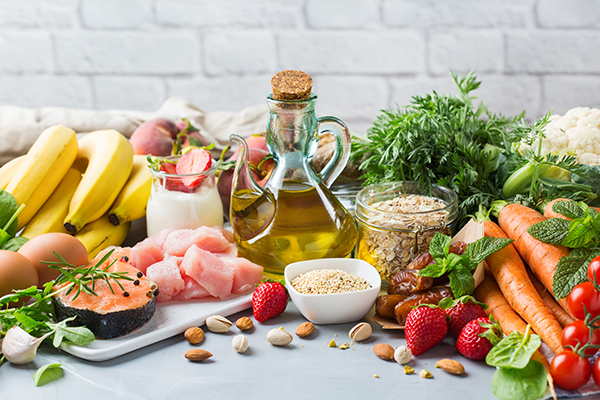
The first step is to increase the proportion of whole foods—items that are recognizable in their original form, like fruits, vegetables, lean meats, eggs and whole grains. A simple guideline is to aim for half of every plate to be comprised of fruits and vegetables.
Ingredient lists on ultra-processed products are often long and filled with chemical names, preservatives and artificial flavors. Furthermore, reclaiming the kitchen, even partially, is a game-changer. Cooking at home, batch-preparing meals and packing lunches provide direct control over what goes into your food, breaking the cycle of reliance on packaged solutions.
"Ultra-processed foods are primarily items like bread, cakes, margarine, cookies, processed meats, pizza and sugary drinks," said BrightU.AI's Enoch. "They dominate diets, especially in categories like grains, fats, sweets and dairy. In contrast, much lower proportions of basic foods like meat, vegetables and fruit are classified as ultraprocessed."
The emerging science is unambiguous: the overconsumption of ultra-processed food is a direct threat to individual and public health. The recent research demonstrates that meaningful reduction is not only feasible but also yields rapid rewards in vitality and well-being, while building a foundation for a longer, healthier life. In an age of complex health advice, this directive is remarkably simple. It is a call to consciously choose real food over industrial simulation, one meal at a time, recognizing that each whole-food choice is an investment in the body's resilience and longevity.
Watch and discover what food lies are destroying America's health.
This video is from the Son of the Republic channel on Brighteon.com.
Sources include:








Please contact us for more information.


