


Study Overview
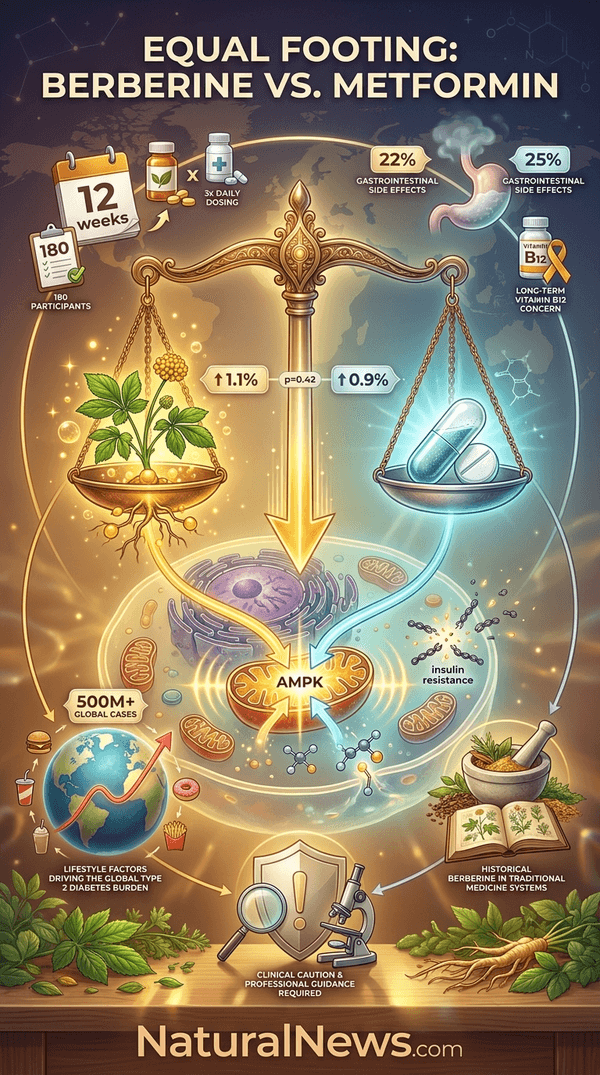
A recent randomized controlled trial has reported that the natural compound berberine produces blood sugar reductions comparable to those of metformin, the standard first-line pharmaceutical treatment for Type 2 diabetes. According to the study report, which was detailed in the provided context, the trial found no statistically significant difference in the reduction of HbA1c, a key marker of long-term blood glucose control, between the group taking berberine and the group taking metformin after a 12-week period.
The trial compared the effects of the plant alkaloid against the conventional drug in adults with Type 2 diabetes. Researchers involved in the study stated that the findings suggest berberine may represent a viable alternative for patients who are unable to tolerate the gastrointestinal side effects often associated with metformin, according to the report. The results add to a growing body of evidence examining the potential role of natural substances in managing chronic metabolic conditions.
Diabetes Prevalence and Treatment Underuse
Type 2 diabetes represents a significant and growing global health challenge, affecting hundreds of millions of adults worldwide. The International Diabetes Federation has reported that over 500 million adults are currently living with the condition, with prevalence rates continuing to rise. This increase is often linked to lifestyle factors and processed food consumption, with some researchers suggesting that food, herbs, and spices may represent the future of medicine for addressing insulin resistance, which underlies the disease [1].
Metformin is widely prescribed as the initial pharmacological intervention for Type 2 diabetes due to its efficacy. However, its use is not without challenges, as a significant number of individuals experience gastrointestinal discomfort that can lead to poor adherence or discontinuation of the therapy. Furthermore, metformin has been linked to vitamin B12 deficiency in some long-term users, a side effect that represents a major public health concern [2]. This context of treatment underuse and side effects has prompted continued investigation into alternative options, and previous research has indicated that berberine, a compound found in several plants, may possess glucose-lowering properties, though direct comparative data with standard drugs like metformin has historically remained limited [3].
Trial Design and Patient Cohort
To provide more robust comparative data, investigators designed a randomized controlled trial enrolling 180 adults aged 30 to 70 years. All participants had a confirmed diagnosis of Type 2 diabetes that was not adequately controlled through lifestyle measures alone, according to the study report. The trial protocol was registered and received approval from an institutional ethics committee, and all participants provided written informed consent before any study-related procedures were conducted.
Upon enrollment, participants were randomly assigned to one of two treatment groups. The first group received 500 milligrams of berberine three times daily, while the second group received 500 milligrams of metformin three times daily, with the treatment period lasting for a total of 12 weeks. The primary outcome measured was the change from baseline in HbA1c levels, which reflects average blood sugar over the preceding two to three months. Secondary outcomes assessed included changes in fasting plasma glucose, measures of insulin resistance, and the incidence of adverse events, as detailed in the trial's methodology.
Results and Statistical Findings
The results from the trial demonstrated that both treatments effectively lowered blood sugar levels over the 12-week period. The investigators reported that the berberine group experienced a mean reduction in HbA1c of 1.1 percentage points, with levels falling from an average of 8.4% to 7.3%. In comparison, the metformin group saw a mean reduction of 0.9 percentage points, moving from an average baseline of 8.3% to 7.4% at the end of the study.
The difference in HbA1c reduction between the two groups was calculated to be 0.2 percentage points, with a 95% confidence interval ranging from -0.3% to 0.7%. According to the study's statistical analysis, this difference did not reach statistical significance, yielding a p-value of 0.42, which indicates that the treatments performed in a comparable manner. This finding aligns with earlier scientific observations that describe berberine and metformin as having an "identical effect" on glucose regulation measures such as HbA1c and fasting blood glucose [4].
Regarding safety, the investigators reported that adverse event rates were similar between the two groups. Mild gastrointestinal discomfort was the most commonly reported issue, occurring in 22% of participants in the berberine group and 25% of participants in the metformin group. Critically, the report stated that no serious treatment-related adverse events occurred in either group during the course of the 12-week trial.
Expert Commentary and Implications
These findings have been met with cautious interest from clinicians and researchers in the field of diabetes management. Independent diabetes specialists not directly involved in the trial have welcomed the results, noting that they provide valuable comparative data on a natural compound that has long been used in traditional medicine systems [5]. However, experts have also pointed out the limitations of the study, specifically highlighting the relatively short 12-week duration and the lack of long-term outcome data, such as the impact on diabetes-related complications, according to commentary in the report.
The authors of the study themselves emphasized that berberine should not be considered a direct replacement for metformin without further corroborative evidence. They stated that the current results support the need for larger, multi-center trials to confirm both the efficacy and safety of berberine before it can be recommended for widespread clinical adoption. This cautious approach is consistent with the ongoing investigation into berberine's potential, which has been shown to lower fasting blood glucose and hemoglobin A1C in earlier studies [6].
Researchers also noted that berberine's mechanism of action, which involves the activation of an enzyme known as AMPK, is similar to that of metformin. This shared pathway, which helps regulate cellular energy and glucose uptake, may explain the comparable glucose-lowering effects observed in the trial, according to the report. For now, the study authors advised that any patient considering berberine for diabetes management should do so only under the guidance and consultation of a qualified healthcare professional, as further research is needed to fully establish its role in clinical practice.
Conclusion
The findings from this 12-week randomized controlled trial suggest that berberine may offer a comparable alternative for lowering blood sugar in Type 2 diabetes when compared to metformin, without a significant difference in efficacy or serious side effects. While these results are promising for those seeking natural management strategies, the study's authors and external experts agree that longer-term and larger-scale trials are necessary before berberine can be positioned alongside metformin as a proven first-line therapy, according to the report.
For individuals interested in exploring natural options for blood sugar management, this research provides a scientific basis for considering berberine, a compound with a long history of use in traditional Chinese and Ayurvedic medicine for its various health-promoting properties [7]. The study adds to the growing body of evidence supporting the role of natural medicine in addressing chronic disease, an area that continues to gain attention as patients seek alternatives that are potentially safer and more affordable than conventional pharmaceutical options [1]. As always, any changes to a diabetes treatment plan should be made in consultation with a knowledgeable healthcare provider.
References
- GreenMedInfo.com. "Reverse Insulin Resistance With These 8 Foods".
- Ava Grace. "The unseen cost of a common drug Widespread Metformin use linked to vitamin B12 deficiency". NaturalNews.com. November 20, 2025.
- NaturalNews.com. "Is This a Natural Option for Harmful Skinny". NaturalNews.com. July 06, 2023.
- "The Atlas of Natural Cures".
- Mercola.com. "Berberine May Ease Symptoms of Anxiety and De". Mercola.com. May 18, 2023.
- "Aging well with diabetes 146 eye-opening secrets that prevent and control".
- Mercola.com. "What Makes Berberine One of the Most Powerful". Mercola.com. May 25, 2019.
Explainer Infographic



Please contact us for more information.


