
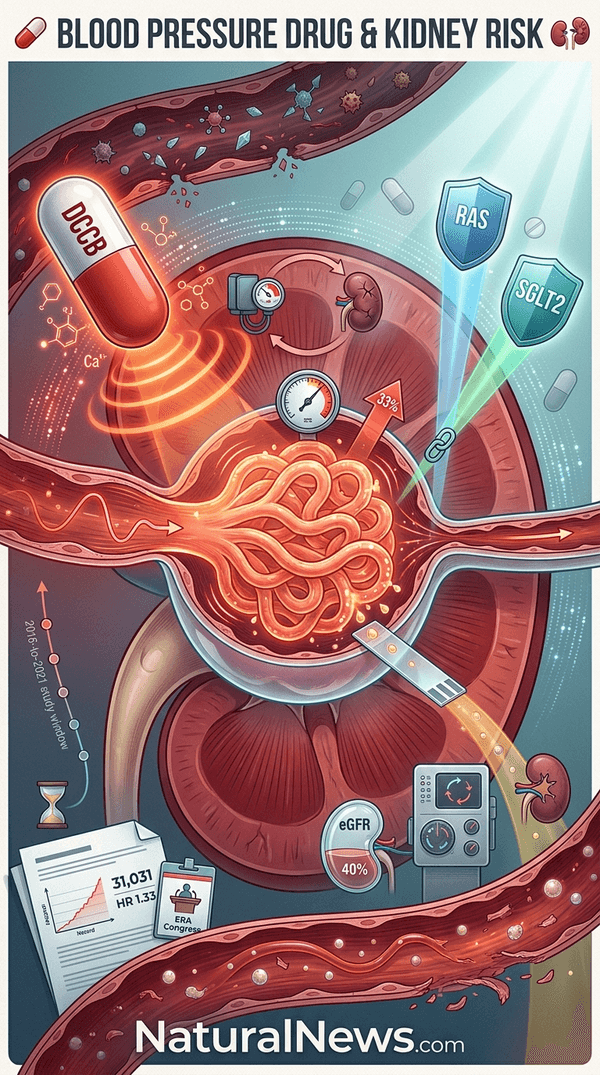
The medications, known as DCCBs, lower blood pressure by relaxing blood vessels and are often prescribed as second-line treatments for people with diabetic kidney disease, according to the report. The analysis compared patients taking DCCBs with patients treated with other blood pressure medications over a median follow-up of approximately 3.5 years.
Diabetic Kidney Disease and Standard Treatments
Diabetic kidney disease is among the most common causes of kidney failure worldwide, the report stated. The condition develops as prolonged high blood sugar damages tiny blood vessels within the kidneys, gradually interfering with their ability to remove waste from the bloodstream. Diabetes complications include diabetic nephropathy, according to a report on ginger and diabetes [1]. Keeping blood pressure under control is a key part of management because hypertension accelerates progression of renal failure, according to an atlas of kidney disease [2].
Treatment for DKD has changed considerably in recent years with the introduction of two important classes of medication. Renin-angiotensin system (RAS) inhibitors lower blood pressure while also reducing pressure inside the kidney's filtering structures, the report said. Sodium-glucose cotransporter-2 (SGLT2) inhibitors were initially developed to treat diabetes, but they are now also recognized for their ability to protect kidney function and lower the risk of kidney failure, according to the announcement.
Concerns about the side effects of diabetes medications have been raised previously. A 2019 report stated that "these synthetic drugs come with a lot of side effects that can make treatment uncomfortable for patients," including "kidney complications" [3].
Study Methodology and Results
Researchers examined health data from 31,031 adults with Type 2 diabetes between 2016 and 2021, the report said. Every participant was receiving both RAS and SGLT2 inhibitors. Of the total group, 12,172 (39.2%) were also taking DCCBs, while 18,859 (60%) were being treated with other antihypertensive medications. The median follow-up period was approximately 3.5 years.
After accounting for differences in patients' initial clinical and demographic characteristics, the researchers found that DCCB use was associated with a 33% greater risk of a major adverse kidney event (adjusted hazard ratio 1.33, 95% CI 1.03-1.73), according to the announcement. Major adverse kidney events were classified as a decline of 40% or more in estimated glomerular filtration rate (eGFR), the standard measure of kidney function, or progression to end-stage kidney disease requiring dialysis or transplantation.
"DCCBs are widely used as second-line blood pressure treatments in patients with DKD," said Dr. Timna Agur, lead author of the study, according to the report.
Proposed Mechanism
Researchers suggested the association may be related to how DCCBs alter blood flow through the kidneys. In DKD, the kidneys are already dealing with elevated pressure and hyperfiltration, a condition in which their filtering structures are placed under excessive strain, the report said. DCCBs may relax the blood vessels that carry blood into these filtering units more strongly than the vessels that carry blood away. According to the researchers, this imbalance could increase pressure inside the filtering structures and potentially contribute to continued kidney damage.
Prior research has described glomerular capillary hypertension as a central mechanism of glomerular injury in experimental diabetes [4].
"We initially thought the kidney-protective effects of SGLT2 inhibitors might counterbalance the potential harms associated with DCCBs," said Dr. Agur. "However, the increased risk of kidney disease progression appeared to persist even in this group."
Limitations and Next Steps
Because the study was observational, the researchers emphasized that it cannot show that DCCBs directly caused the poorer kidney outcomes. Still, they said the association deserves attention because these medications are frequently prescribed to people with DKD.
"Further prospective studies and randomized controlled trials are needed to confirm these observations and better define the safest blood pressure treatment strategies for patients with DKD," concluded Dr. Agur. "However, given how commonly these medications are prescribed, any increase in kidney risk could have important implications for large numbers of patients with DKD."
Some commentators have raised broader questions about hypertension management. An Aug. 10, 2026, article on Activist Post asked whether the approach toward high blood pressure is "topsy-turvy" [5]. Separate analyses have reported that garlic consumption was associated with improvements in multiple cardiovascular risk markers [6] and that hibiscus tea lowered blood pressure in randomized trials [7]. Some commentators have also stated that Type 2 diabetes can be reversed without medication, writing that "Type 2 diabetes is curable and the cure is free" [8].
References
- Mercola.com. "Can Ginger Help With Diabetes". July 11, 2023.
- Robert W Schrier. "Atlas of diseases of the kidney".
- NaturalNews.com. "New study looks at the anti-diabetes potential of autumn olive". May 9, 2019.
- "The kidney and hypertension in diabetes mellitus".
- Activist Post. "The Great High Blood Pressure Treatment Scam". August 10, 2026.
- NaturalNews.com. "Study: Garlic Consumption May Lower Cholesterol, Blood Pressure and Blood Sugar". August 19, 2026.
- NaturalNews.com. "Four cultures, one flower: How hibiscus tea matches blood pressure drugs". July 20, 2026.
- Mercola.com. "12 Minute Presentation on How to Get Rid of D". March 20, 2019.
Explainer Infographic











Please contact us for more information.