


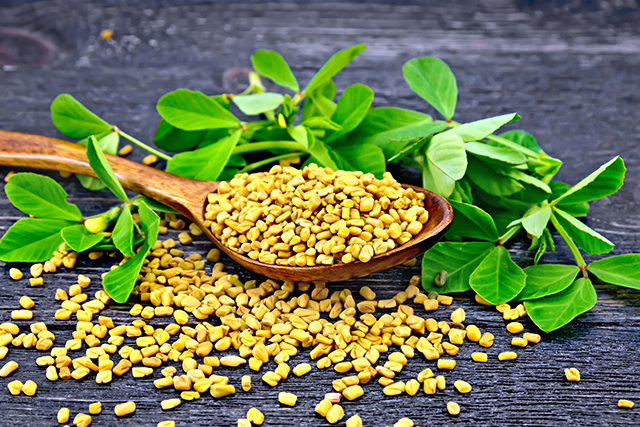
- Chinese researchers pooled 26 clinical trials confirming fenugreek significantly lowers blood sugar and HbA1c.
- A soluble fiber called galactomannan forms a gel in the gut to slow glucose absorption.
- Daily doses under 10 grams outperformed higher amounts in improving blood sugar control.
- Caution is needed for pregnant women and those on diabetes medications due to interactions.
- The spice costs pennies but receives no marketing because it threatens pharmaceutical profits.
New Yorkers spent years puzzled by a mysterious maple syrup smell drifting through Manhattan, traced eventually to a New Jersey plant processing fenugreek, a seed most Americans have never cooked with. That aroma turns out to be the least interesting thing about it. A 2025 meta-analysis published in the Avicenna Journal of Phytomedicine pooled 26 randomized controlled trials and found the seed produces a real, measurable effect on blood sugar.
Researchers at Tabriz University of Medical Sciences and Ardabil University of Medical Sciences in Iran combined the trials specifically to cut through years of smaller, conflicting results. What they found was consistent: Fasting blood sugar fell by nearly 17 points on average, post-meal glucose dropped even further, and HbA1c, the marker doctors rely on to track blood sugar control over months, declined by more than half a percentage point.
Why a bitter taste may signal a working compound
The seed's sharp bitterness comes largely from galactomannan, a soluble fiber that forms a gel in the digestive tract once eaten. That gel slows how fast sugar from a meal reaches the bloodstream, which lines up with the post-meal improvements seen across the pooled trials. Home cooks who roast or soak the bitterness out may be removing some of the fiber responsible for the benefit, suggesting raw or lightly toasted seeds preserve more of the effect than heavily processed ones. Fenugreek isn't alone in this pattern; bitter melon and dandelion greens carry similar fiber compounds behind their own unpopular taste.
A modest daily amount outperformed larger doses
One of the more counterintuitive findings: trials using under 10 grams of fenugreek daily saw better blood sugar improvements than trials using higher doses. Researchers don't have a firm explanation, although similar effects have shown up in other fiber-based supplements. For anyone considering fenugreek, that's a reason to start with a modest amount rather than assume more is better; a smaller daily dose, split across meals and stirred into food like lentils or yogurt, appears sufficient. Give it time; HbA1c reflects roughly three months of blood sugar activity, so meaningful change on paper takes at least that long to show up.
What the research says about risk, and who should be cautious
Fenugreek isn't risk-free. It can cause diarrhea, headaches, dizziness and, in some rare cases, allergic reactions. Pregnant women should avoid it beyond amounts typically found in food, since some research has linked higher doses to birth-defect risk. Because its fiber can interfere with how the body absorbs oral medications, it shouldn't be taken within a few hours of other drugs, including diabetes medications, where it could compound blood-sugar-lowering effects. The FDA does not evaluate or approve fenugreek as a supplement, and manufacturing isn't standardized, so quality and dosing can vary by brand.
A seed that costs pennies and has centuries of traditional use behind it is producing results in controlled trials that many people spend hundreds of dollars a month chasing through prescriptions — yet it gets no marketing budget, no sales reps, and no mention at the average doctor's visit. That's not necessarily a conspiracy. It's simply that nobody profits from a spice jar the way they profit from a pill bottle. Patients deserve to know both options exist, and to weigh the evidence, the risks, and the cost for themselves.
Sources for this article include:










Please contact us for more information.


