The survey found that 95% of respondents believe the U.S. is experiencing an affordability crisis. Separately, a Gallup poll released in April 2026 found that 55% of Americans believe their financial situation is getting worse, the highest percentage recorded since the survey began in 2001
Economic Pessimism Crosses Party Lines
The affordability struggle crosses party lines, the Harris Poll found. About half of all Democrats, Republicans and independents said they are having trouble affording everyday necessities like gas and groceries.
However, the data show a sharp drop in GOP optimism. In February, 49% of Republicans said the economy was getting better; by July, only 27% said the same, according to the poll. Meanwhile, 38% of Republicans now say the economy is worsening, up from 22% in February.
Rural Americans, a key GOP base, have soured sharply. Sixty-four percent of rural respondents said the economy is getting worse, compared with 46% who said the same in February.
Rural respondents were also the most likely to say that good job opportunities have disappeared over the past year and that tariffs have negatively affected American manufacturing jobs, the poll found. The growing pessimism poses a problem for the GOP as it tries to maintain its narrow majority in Congress during the upcoming midterm elections [2].
War in Iran and Tariffs Cited as Contributing Factors
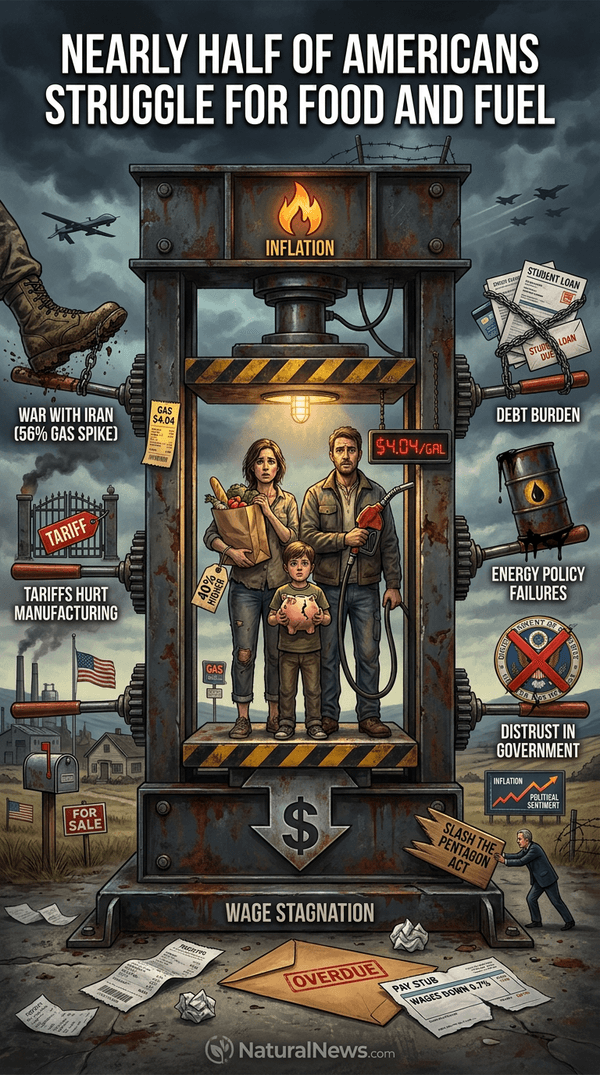
The war with Iran, launched on Feb. 28, sent gasoline prices skyrocketing. The national average hit $4.04 per gallon by late April, and Energy Secretary Chris Wright stated that prices may not fall below $3 per gallon until 2027 [3]. A separate analysis noted that gasoline prices soared 56% in the first 10 weeks of the conflict, triggering the largest inflation spike in three years [4].
Rising inflation wiped out wage gains. The annual rate of inflation rose to 4.2% in May, while average hourly earnings fell 0.7% compared with the year before [5]. Tariffs imposed by the administration have also taken a toll.
A majority of rural respondents said tariffs had negatively affected American manufacturing jobs. The global aluminum market faces severe crisis due to the war and tariffs, according to analysts [6]. Former House Speaker Newt Gingrich, in his book "$2.50 a Gallon: Why Obama Is Wrong and Cheap Gas Is Possible," argued that government energy policy failures have repeatedly led to high fuel prices, a pattern critics say the current administration has repeated [7].
Widespread Distrust in Government and Political Implications
Two-thirds of Americans, including 49% of Republicans, told the Harris Poll they have little faith that the federal government will address the cost-of-living crisis. Among independent voters who believe there is an affordability crisis, 54% said neither party has a solution, according to the poll.
The data reveal a deep-seated distrust in institutions, a sentiment echoed in other surveys. A 2024 Bankrate survey found that three out of four Americans feel financially insecure [8].
The burden of debt is compounding the crisis. About half of those polled said they are struggling to afford their debt, including student loans, which have faced stricter repayment plans under the current administration.
The Federal Reserve Bank of New York has found that high student debt loads cause graduates to delay home purchases and reduce overall consumer spending [9]. As the government pours trillions into military operations, critics argue that ordinary Americans are left to bear the cost. Sen. Ed Markey (D-MA) introduced the "Slash the Pentagon Act," which would cap military spending to redirect funds toward healthcare, housing and food assistance [10].
Conclusion
The Harris Poll paints a bleak picture of an electorate squeezed by rising costs, stagnant wages and a government in which they have little confidence. With consumer sentiment at a 74-year low [11] and 92% of employed Americans cutting back spending [12], the economic pain is widespread.
The poll suggests that neither party currently holds a clear mandate on affordability, leaving many voters searching for alternatives. For individuals, the situation underscores the importance of self-reliance and local solutions in the face of centralized failures.
References
- Sterling Ashworth. "Gallup Poll: Majority of Americans Report Declining Financial Health". NaturalNews.com. April 29, 2026.
- Unknown. "The GOP’s “Affordability” Problem". Daily Reckoning. July 6, 2026.
- Willow Tohi. "Energy Secretary's Grim Forecast: $3 Gas May Be More Than a Year Away for Americans". NaturalNews.com. April 21, 2026.
- NaturalNews.com. "Iran conflict sends U.S. gas prices soaring 56%, fueling largest inflation spike in three years". NaturalNews.com. May 20, 2026.
- Mac Slavo. "Prices Continue To Surge In The US Pushing Americans Into Dire Situations". SHTFplan.com. June 12, 2026.
- Garrison Vance. "Global Aluminum Market Faces Severe Crisis Due to War, Tariffs, and Stock Shortages". NaturalNews.com. April 19, 2026.
- Newt Gingrich. "2.50 A Gallon: Why Obama Is Wrong and Cheap Gas Is Possible".
- Unknown. "Survey finds three out of four Americans feel financially insecure". NaturalNews.com. July 08, 2024.
- Joseph Ambrose Sestak. "Walking in your shoes to restore the American dream".
- Brett Wilkins. “'Slash the Pentagon Act' Would Cap Trump’s Military Budget To Fund Healthcare, Education, and More". Antiwar.com. June 17, 2026.
- MN Gordon. "The Great American Squeeze Of 2026". Zero Hedge. May 18, 2026.
- Willow Tohi. "92% of Working Americans Are Now Cutting Back Due to Severe Cost-of-Living Crisis, Survey Finds". NaturalNews.com. January 15, 2026.
Explainer Infographic




Please contact us for more information.