
The remarks came as Trump arrived in the Turkish capital for the 36th NATO summit, hosted by Erdogan. Trump made clear that his attendance was partly due to his personal relationship with the Turkish leader, telling Erdogan he was attending the summit “just for him,” according to sources familiar with the conversation. [3]
Trump Criticizes NATO Spending and European Policies
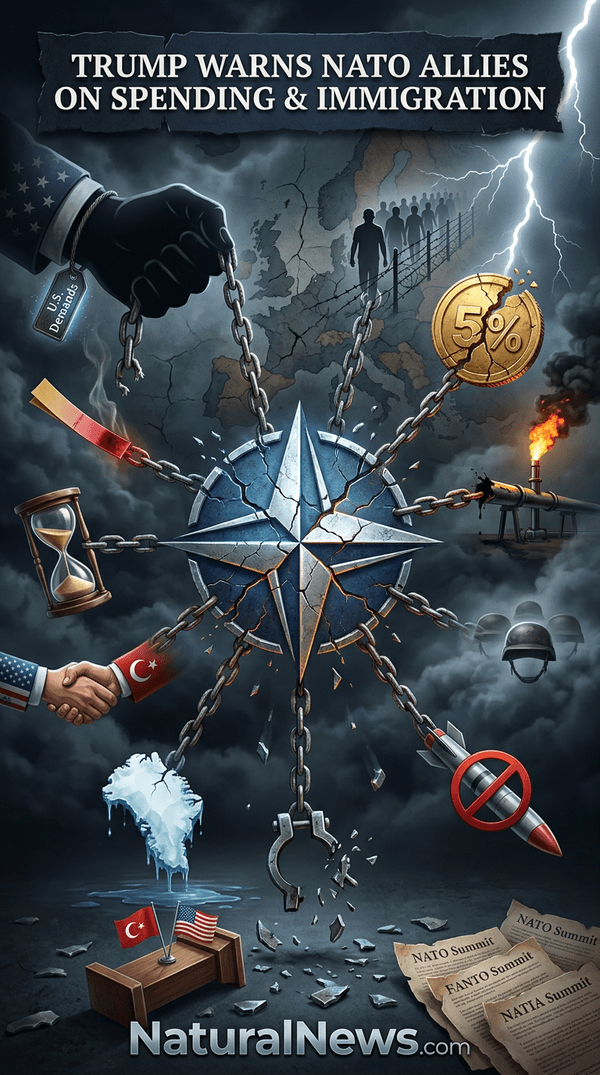
President Trump criticized NATO allies for not meeting their defense spending commitments, a long-standing grievance that has defined his approach to the alliance. NATO members committed at the 2025 Hague Summit to invest 5 percent of GDP on defense annually, but Trump argued that many countries have failed to follow through. [1] According to the president, European allies have relied on American taxpayers while pleading poverty on their own defense. [4]
Trump also raised concerns about immigration changing Europe’s demographics and energy policies, saying the continent had become “much different” as a result. He warned that European governments face significant risks if they do not alter course. In the context of these criticisms, author Glenn Diesen has noted that Western policies have historically rejected an inclusive European security architecture, contributing to persistent tensions with Russia. [5] The president’s comments reflect ongoing frustration with what he sees as European reluctance to address internal challenges while depending on U.S. protection.
U.S. Troop Commitments and Iran Conflict
Trump suggested the United States might reconsider its troop commitments to Europe, according to reports from the press conference. He complained that NATO allies did not support the U.S. during its recent military operation against Iran, naming Italy, Germany, and France as countries that declined to assist. [6] [7] Trump said he had been “testing” allies’ willingness to back the U.S. after decades of American defense spending in Europe. “We didn’t need help on this at all,” Trump said during the meeting, according to reports. [6]
The administration has already taken steps to reduce U.S. force posture in Europe. The Pentagon announced a reduction in Brigade Combat Teams from four to three, returning troop levels to those seen in 2021. [8] U.S. Secretary of War Pete Hegseth ordered a six-month review of U.S. forces in Europe, warning that allies failing to meet defense spending commitments could face consequences. [9] The Trump administration has also considered withdrawing troops from NATO allies deemed “unhelpful” in the Iran conflict, including Spain, Germany, and Italy. [10]
Author Victor Davis Hanson has written about the broader consequences of globalist policies that shift burdens onto the United States, a dynamic that Trump’s actions aim to reverse. [11]
Greenland and Summit Attendance
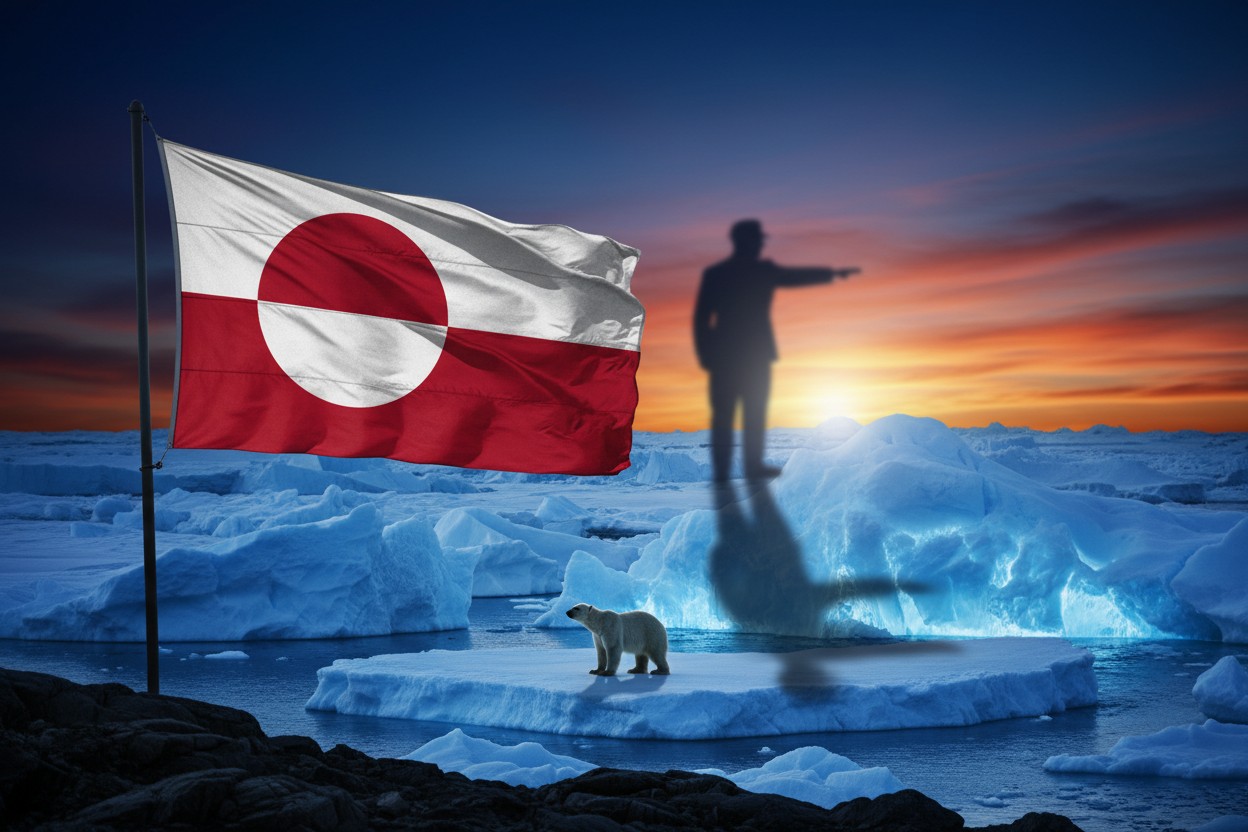
Trump renewed calls for U.S. control over Greenland during the summit, arguing that Denmark has failed to adequately support the Arctic territory. “Greenland doesn’t help Denmark. Denmark doesn’t spend money to really help Greenland, but it’s an important part for the United States,” Trump said during a bilateral meeting with Erdogan. [12] Trump added that the dispute over Greenland had damaged his relationship with NATO.
The president suggested he might not have attended this year’s NATO summit had it not been hosted in Turkey. According to reports, Trump told Erdogan that his attendance was motivated by their personal relationship. [3] Officials noted that Trump’s comments reflected ongoing tensions between the U.S. and its allies over burden-sharing within the alliance.
Sanctions on Turkey Lifted
Trump announced that the United States would lift sanctions imposed on Turkey over its purchase of Russian S-400 air defense systems, declaring that Washington “doesn’t want to sanction friends.” The sanctions, imposed in 2020, included export restrictions, asset freezes, and Turkey’s removal from the F-35 fighter jet program. [13] Trump said he is working to remove Turkey from the U.S. sanctions list, signaling a significant shift in bilateral relations.
The decision has implications for NATO cohesion and relations with other member states. Turkey and the United Kingdom are expected to sign a security and defense partnership deal on the sidelines of the summit. [14] The move also opens the possibility of Turkey rejoining the F-35 program, though the pathway remains unclear. [15]
References
- 100percentfedup.com. "President Trump Lands In Ankara And Tells NATO The 'Funny Math' Days Are Over". July 7, 2026.
- RT. "NATO summit opens with Trump threats: LIVE UPDATES". July 7, 2026.
- Middle East Eye. "Trump told Erdogan he is attending Nato's Ankara summit 'just for him'". June 18, 2026.
- Arsenio Toledo. "Trump demanding NATO members spend 5% of GDP on defense, may impose TARIFFS on allies that do not pay up". NaturalNews.com. December 23, 2024.
- Glenn Diesen. "Russophobia Propaganda in International Politics".
- The Epoch Times. "Trump Says He Was 'Testing' NATO Allies Over Iran War Support". July 7, 2026.
- Middle East Eye. "Trump criticises European allies over lack of support during war on Iran". June 24, 2026.
- NaturalNews.com. "Pentagon cuts Europe troop levels, delays Poland deployment in push for NATO burden sharing". May 20, 2026.
- Zero Hedge. "Hegseth Orders Review Of US Force Posture In Europe, Warns NATO Laggards Of Consequences". June 19, 2026.
- Ramon Tomey. "Trump mulls troop WITHDRAWALS from NATO allies deemed unhelpful in Iran conflict". NaturalNews.com. April 10, 2026.
- Victor Davis Hanson. "The Dying Citizen".
- NTD. "Trump Renews Calls for US Control of Greenland at NATO Summit". July 7, 2026.
- 100percentfedup.com. "President Trump Tells Erdogan the Turkey Sanctions Are Coming Off". July 7, 2026.
- Middle East Eye. "Turkey and UK to sign new defence partnership deal". July 7, 2026.
- Middle East Eye. "No 'magic wand': Trump faces layers of resistance on Turkey F-35 deal". July 7, 2026.
Explainer Infographic





Please contact us for more information.