


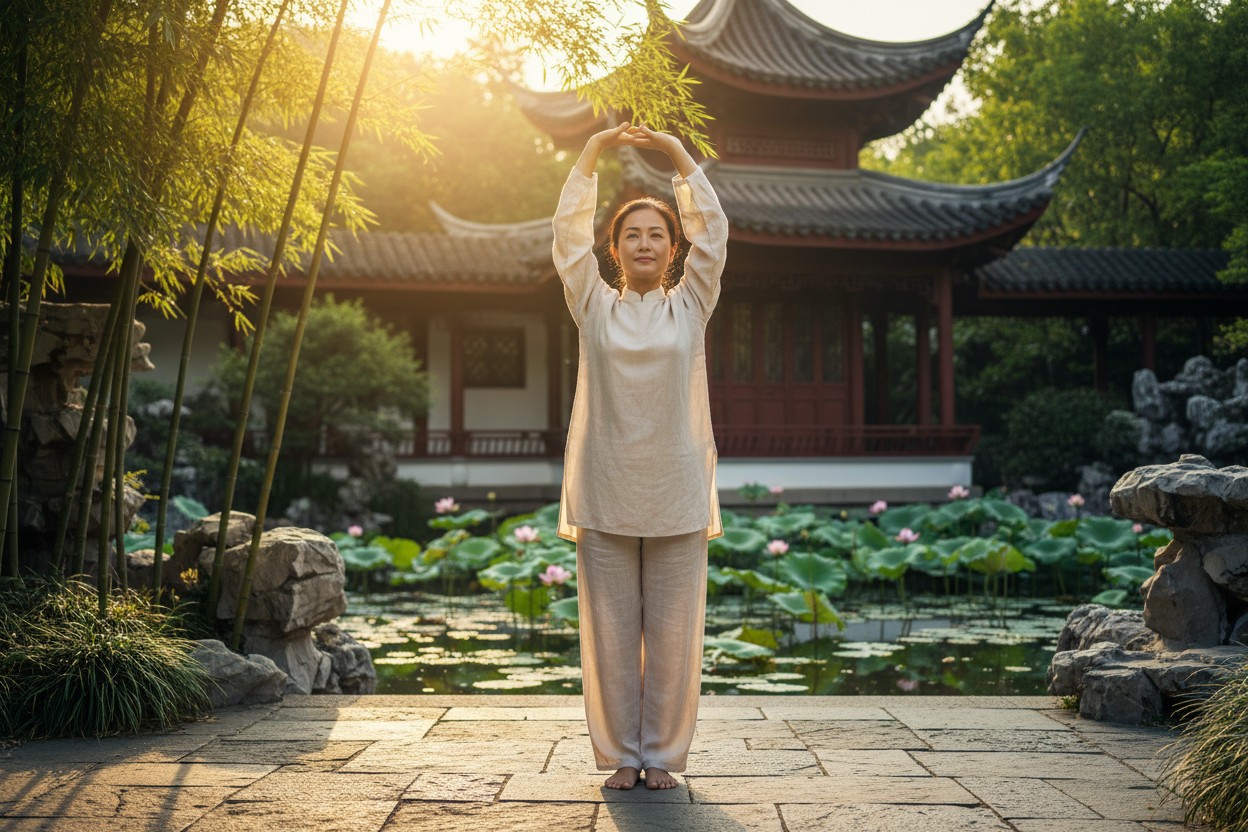
The research involving 216 adults aged 40 and older, showed that participants who practiced Baduanjin five times per week experienced lower blood pressure within three months, with effects sustained at one year. The findings were published in the journal JACC, the flagship journal of the American College of Cardiology.
"Given its simplicity, safety and ease at which one can maintain long-term adherence, baduanjin can be implemented as an effective, accessible and scalable lifestyle intervention for individuals trying to reduce their [blood pressure]," said senior author Jing Li, M.D., Ph.D., of the National Center for Cardiovascular Diseases, China, according to the report [1].
Study Details and Methodology
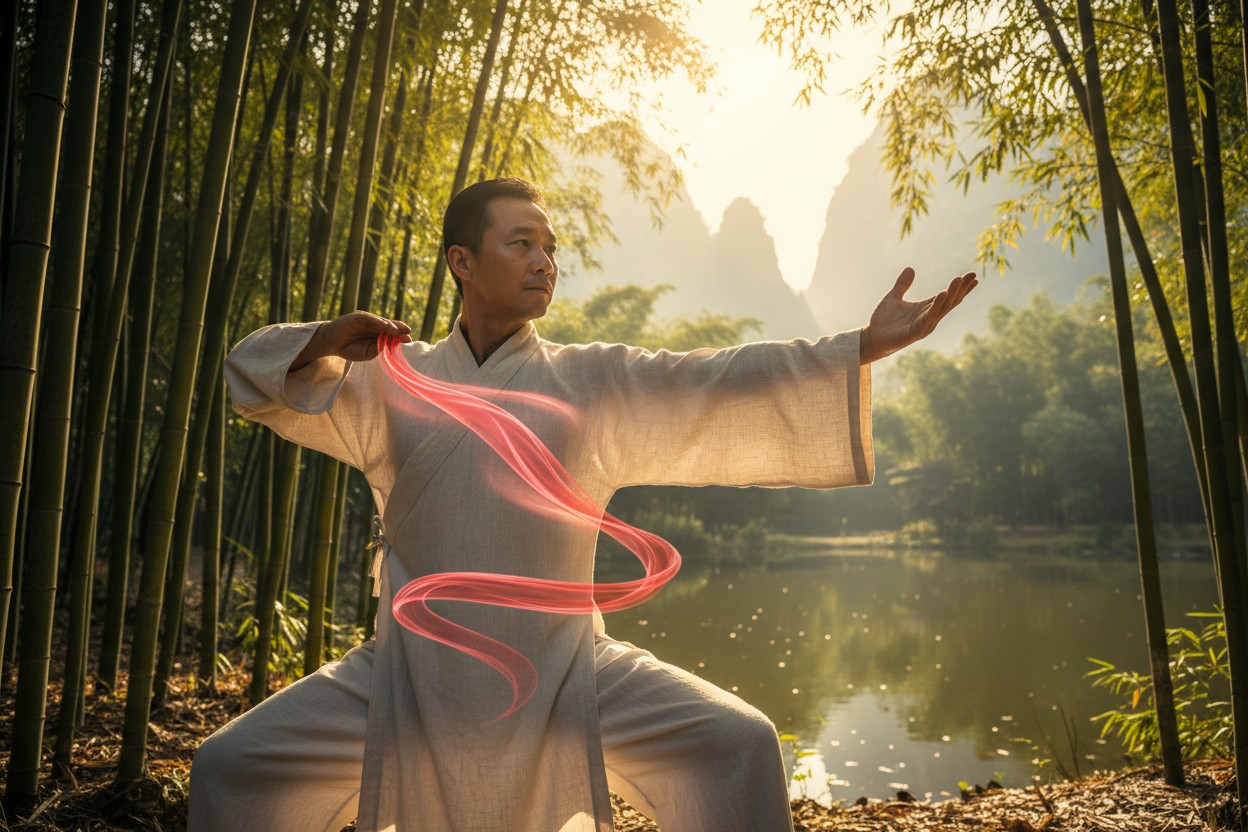
Researchers randomly assigned the 216 participants to one of three groups: Baduanjin, self-directed exercise, or brisk walking. Baduanjin, also known as "eight-section brocade," is a form of qigong that involves eight slow, deliberate movements combined with gentle breathing and meditation.
The routine typically takes about 10 minutes to complete and requires no equipment [2]. According to the study data, the blood pressure reductions observed in the Baduanjin group were "comparable to reductions seen with some first-line medications" and also "comparable results and safety profile to brisk walking at one year" [1].
Baduanjin is described by practitioners as a series of flowing movements that coordinate with breath. One common movement involves standing with feet shoulder-width apart, crossing the hands in front of the abdomen, then raising them slowly overhead while inhaling, followed by lowering them while exhaling [2]. The study monitored participants for a full year, with regular blood pressure measurements and safety monitoring throughout the period.
Expert Reactions to the Findings
Dr. Matthew Saybolt, medical director of the Hackensack Meridian Jersey Shore University Medical Center's Structural Heart Disease Program, said he was surprised by the results. "I was biased and expected that higher intensity exercise like brisk walking would have resulted in greater improvement in blood pressure than baduanjin, but the effects were the same," Saybolt told Fox News Digital. He noted that he was not affiliated with the study.
Dr. Antony Chu, clinical assistant professor at Brown University's Warren Alpert School of Medicine, said the study applies modern statistical analysis to practices long used in Eastern medicine. "Western medicine is reactionary," Chu said, using the analogy of a house fire: Eastern medicine focuses on prevention, while Western medicine focuses on putting out the fire. Both experts emphasized the importance of lifestyle interventions as an alternative to immediately resorting to pharmaceuticals [1].
Broader Context: Hypertension and Lifestyle Interventions
Untreated high blood pressure increases the risks of stroke, heart attack, atrial fibrillation, and congestive heart failure, according to Saybolt. Chu explained that Baduanjin reduces blood pressure by calming the nervous system and reducing stress.
"People are totally stressed out. And stress reduction is huge," Chu said. Research on meditation and mind-body practices has shown that they can decrease cortisol secretion and lead to blood pressure changes consistent with reduced activation of the stress response system [3].
Baduanjin is simple, requires no equipment, and can be performed almost anywhere in about 10 minutes, according to the study [1]. Saybolt said the study offers hope that lifestyle modifications, including low-impact exercise with mindfulness, can yield benefits.
Chu emphasized that translating guidelines into simple actions is key: "Close the door in your office and just say, 'I can't be bothered for 10 minutes,' and just focus on breathing slowly and moving your arms or legs around."
Conclusion and Implications
The study authors concluded that Baduanjin can be implemented as an effective, accessible, and scalable lifestyle intervention for blood pressure reduction [1]. The exercise does not replace medication but offers a low-cost, non-pharmaceutical option for individuals with Stage 1 hypertension.
Baduanjin has also been studied for other health benefits, including improving symptoms of depression and lowering blood sugar in patients with Type 2 diabetes, according to research published in the journal Chinese Medicine [4]. Further research is needed to compare Baduanjin directly with specific drugs and to assess long-term cardiovascular outcomes.
According to Saybolt, the evidence supports using such exercises as key therapies alongside other lifestyle changes to improve longevity. The findings align with growing interest in integrating traditional practices into modern preventive medicine.
References
- NaturalNews.com. "Study Finds Mind-Body Practices Like Baduanjin and Yoga Lower Blood Pressure in Hypertension Patients". April 5, 2026.
- Connor Danny. "Qigong Chinese movement and meditation for health".
- Jevning, Wallace and Beidebach. "The Physiology of Meditation: A Review. A Wakeful Hypometabolic Integrated Response". Neuroscience and Biobehavioral Reviews 16(3) 415–424. 1992.
- NaturalNews.com. "Traditional Chinese exercise therapy found to effectively treat depression and improve glucose levels in diabetics". June 27, 2019.
Explainer Infographic







Please contact us for more information.


