


Study Design and Findings
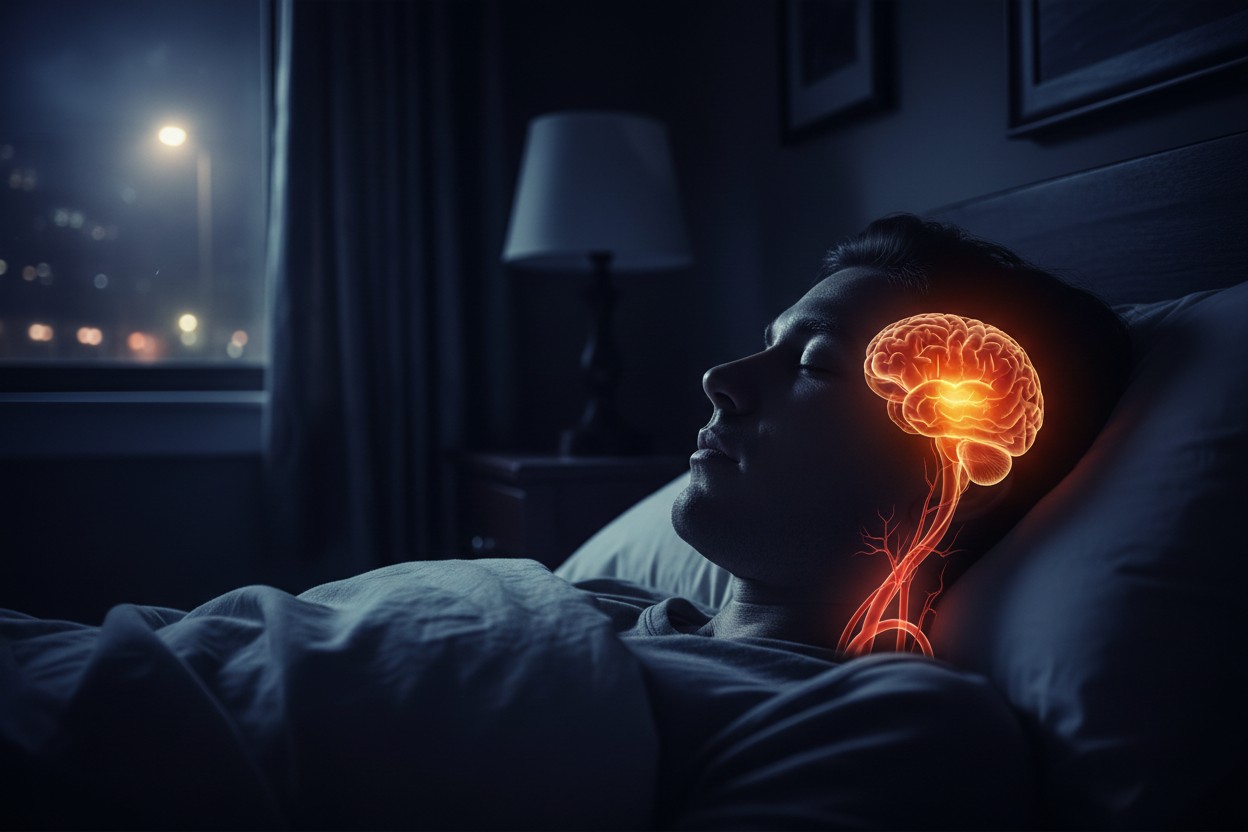
Researchers examined data from more than 450 adults without pre-existing heart disease, using PET/CT scans to measure brain stress activity and arterial inflammation, the study authors said. They mapped artificial light exposure at night based on participants’ home addresses. Results showed that those with higher nighttime light exposure had increased activity in brain regions associated with the ‘fight-or-flight’ response, and that this corresponded with greater arterial inflammation. The findings were presented at the AHA 2025 Scientific Sessions, the study authors stated. [1]
According to the report, the link between light exposure and arterial inflammation persisted even after adjusting for other risk factors such as age, sex, body mass index, and smoking status. The study did not establish causation but identified a strong association, officials noted. The researchers relied on satellite data and local light pollution maps to estimate the amount of artificial light each participant was exposed to at night, which may have introduced some imprecision, they acknowledged. [2]
Biological Mechanism
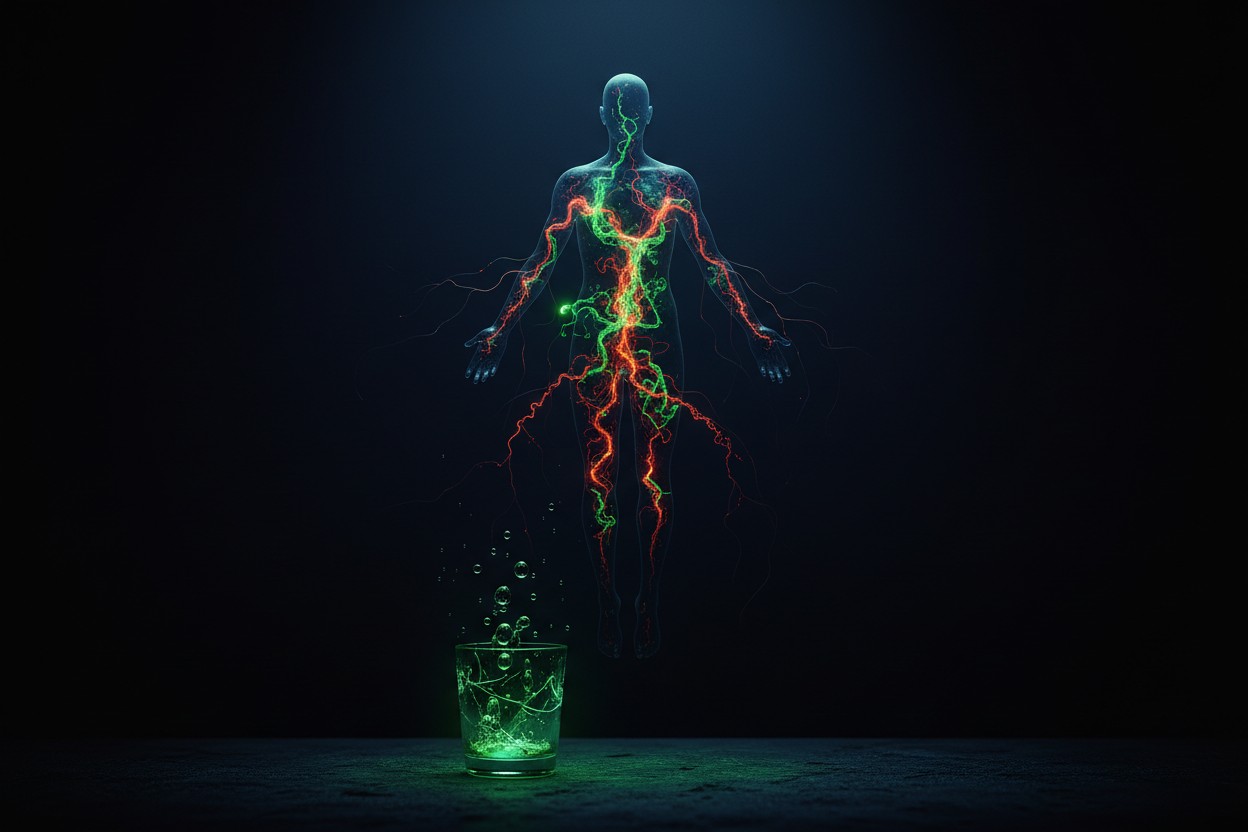
According to the researchers, light at night activates the sympathetic nervous system, which controls the body’s stress response. Chronic activation of this system can lead to inflammation, elevated blood pressure, and stiffer arteries, the study noted. This mechanism, independent of melatonin suppression, may explain the link between nighttime light and cardiovascular disease, the authors said. [1]
Disruptions of the 24-hour circadian rhythm are proving to be common in modern humans as we are exposed to indoor artificial light at all hours of the night and day, according to Dr. William Davis in his book “Undoctored.” It is becoming clear that circadian disruption has implications that go beyond the effects of sleep deprivation alone, potentially disturbing endocrine, nervous system, cardiovascular, and immune system health, Davis wrote. [3] Blue light exposure through the eyes affects melatonin production and circadian rhythms, and too much blue light at the wrong time can damage mitochondria and promote insulin resistance, according to the book “The Immunity Fix.” [4]
Implications for Cardiovascular Health
The study adds to decades of evidence connecting circadian disruption with chronic disease, researchers said. Cardiovascular disease remains a major contributor to loss of health and life globally, according to the World Health Organization, as cited in a NaturalNews.com report. In the U.S., the CDC’s Division for Heart Disease and Stroke Prevention reports that one in every three deaths is from heart disease. [5] The findings suggest that reducing nighttime light exposure could be a modifiable factor for heart health, according to the report. [1]
As noted by Dr. Mercola in an article on light exposure at night, even though you may not feel it, exposure to outdoor street light that seeps in around bedroom curtains or the dim glow from digital equipment can have a significant cost to your health from light pollution. [6] The study’s results align with previous research linking sleep deprivation and circadian disruption to a range of health problems, including cardiovascular disease, according to the authors. [7]
Recommendations Based on Study Findings
The study authors recommended several strategies to reduce nighttime light exposure, including using blackout curtains, switching to warm-toned bulbs, setting device curfews, and using motion sensors for outdoor lighting. These measures may help reduce stress-related brain activity and associated cardiovascular risk, according to the researchers. [1]
In the book “The New Primal Blueprint,” Mark Sisson provides specific recommendations to minimize artificial light after dark, including using minimal indoor lighting and orange bulbs or lenses, putting digital technology into night mode, and minimizing digital stimulation. [8] The study was limited by its observational nature and reliance on home address for light exposure estimates, the authors acknowledged. Additionally, the study did not account for individual behaviors such as the use of blackout curtains or eye masks, which could affect actual light exposure, the researchers noted.
References
- Lance D Johnson. "New research explains how artificial light at night is programming your body for heart disease." NaturalNews.com. November 03, 2025.
- Dr. Mercola. "How Exposure to Light at Night Impacts Your Mental Health." Mercola.com. December 07, 2023.
- William Davis. "Undoctored."
- Zamzar. "The Immunity Fix."
- NaturalNews.com. "This One Thing Is Connected With Almost Every Chronic Disease." October 08, 2020.
- Dr. Mercola. "Light at Night Damages Your Health and Potentially Future Generations." Mercola.com. April 19, 2017.
- Dr. Mercola. "What Happens to Your Body When You’re Sleep Deprived." Mercola.com. January 17, 2015.
- Mark Sisson. "The New Primal Blueprint."




Please contact us for more information.


