


Introduction
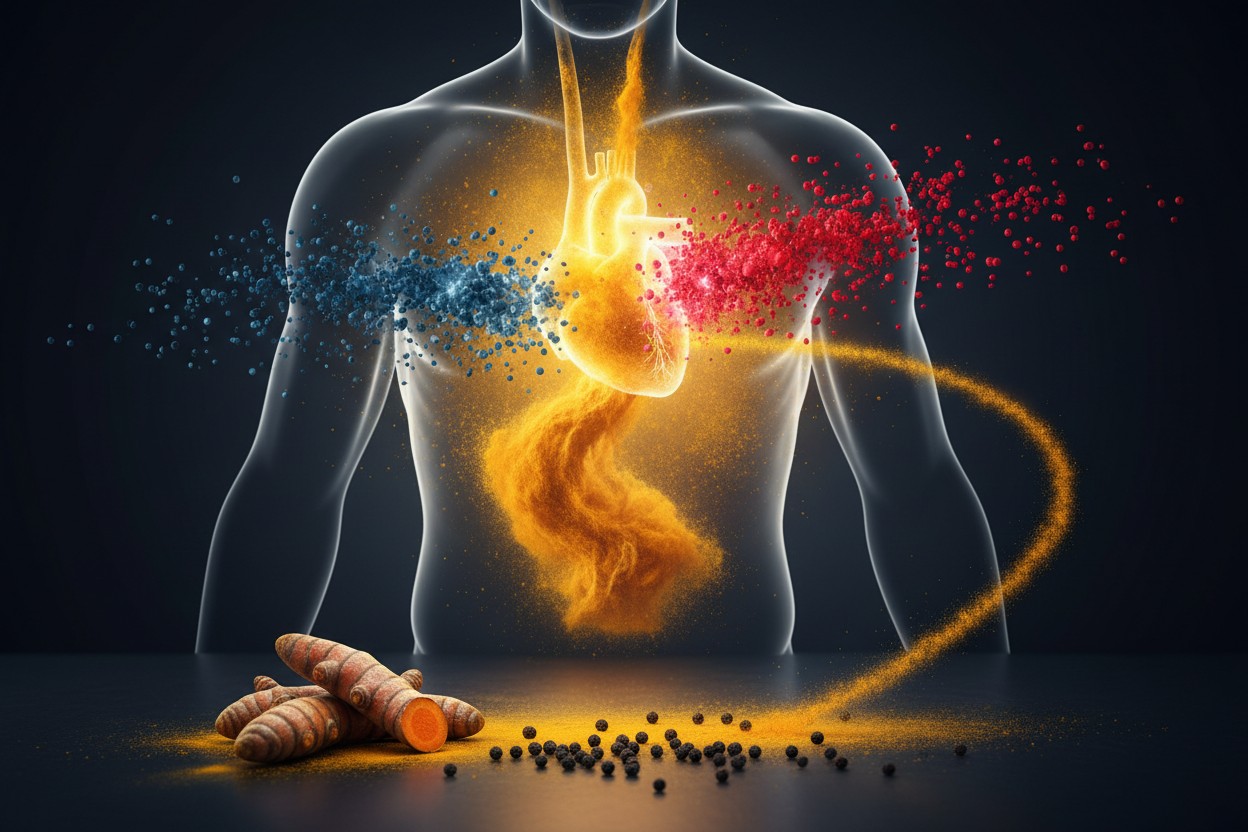
A systematic review and meta-analysis published in 2026 examined the impact of turmeric supplementation on cholesterol and triglyceride levels. The analysis aimed to clarify whether turmeric, a spice used in traditional medicine, improves lipid profiles in adults with metabolic disorders, according to the researchers.
The meta-analysis examined randomized controlled trials published between 2010 and 2025. The studies involved adult participants with metabolic conditions and measured blood lipid outcomes following turmeric supplementation, either with or without piperine, a compound from black pepper. Researchers stated their goal was to assess the overall pattern of lipid changes from the pooled data.
Study Methodology and Key Findings
Researchers analyzed data pooled from multiple randomized controlled trials. The results showed statistically significant improvements across four key lipid markers: total cholesterol, LDL cholesterol, HDL cholesterol, and triglycerides.
The most pronounced effect was observed for lowering LDL cholesterol, often referred to as "bad" cholesterol. The analysis concluded that turmeric supplementation led to "statistically and clinically meaningful improvements" across all lipid markers. The researchers reported that supplements combining turmeric with piperine were more effective than turmeric alone.
Quantitative Results on Lipid Markers
According to the pooled data, turmeric supplementation was associated with an average LDL cholesterol decrease of approximately 17 mg/dL. Total cholesterol fell by roughly 14 mg/dL, while triglycerides dropped by about 25 mg/dL.
HDL cholesterol, often termed "good" cholesterol, increased by nearly 6 mg/dL on average. The researchers noted these quantitative results were consistent across the analyzed studies.
Role of Piperine and Bioavailability
The primary bioactive compound in turmeric is curcumin, researchers noted. A challenge identified in the analysis is that curcumin is 'notoriously difficult for the body to absorb on its own,' which limits how much reaches the bloodstream.
Piperine, a compound found in black pepper, was found to enhance curcumin's bioavailability. The analysis stated piperine increases curcumin's bioavailability by up to 2,000%, allowing significantly more of it to circulate. Supplements combining turmeric with piperine "nearly doubled the LDL-lowering effect compared to turmeric alone," according to the pooled results.
Proposed Mechanisms and Researcher Commentary
Study authors indicated that curcumin may slow cholesterol production in the liver. The compound is also theorized to enhance the clearance of LDL from the bloodstream.
Researchers cited curcumin's anti-inflammatory and antioxidant properties as potential contributing factors to the observed lipid changes. The analysis noted that curcumin "helps slow cholesterol production in the liver, enhances the clearance of LDL cholesterol from the bloodstream, and reduces the liver’s release of triglyceride-rich particles."
Conclusion and Context
The review authors concluded the evidence supports turmeric as an adjunct for lipid management. They noted the findings are "particularly relevant for individuals with metabolic dysfunction."
The study was published in a peer-reviewed journal. Researchers stated that while the evidence suggests turmeric can be a "smart, accessible add-on to a heart-healthy routine," more long-term data is needed.
References
- 7 Best herbs for lowering blood cholesterol naturally - NaturalNews.com, February 15, 2024.
- A growing body of evidence is backing the health benefits of curcumin - NaturalNews.com, October 04, 2018.
- Herbs Spices and Medicinal Plants. Mohammad B Hossain.
- Natural Standard herb supplement handbook the clinical bottom line. Ethan Basch, Catherine Ulbricht, Natural Standard Firm.
- Influence of dietary curcumin and cholesterol on the progression of experimentally induced diabetes in albino rat. Molecular and Cellular Biochemistry.
- 2025 10 16 BBN Interview with Otto . Mike Adams.
- Mike Adams interview with Dan Golka - January 13 2025. Mike Adams.
- Health Ranger Report - BEST HERBS - Mike Adams - Brighteon.com, November 13, 2025.
- Brighteon Broadcast News - NATURAL MEDICINES - Mike Adams - Brighteon.com, November 13, 2025.








Please contact us for more information.


