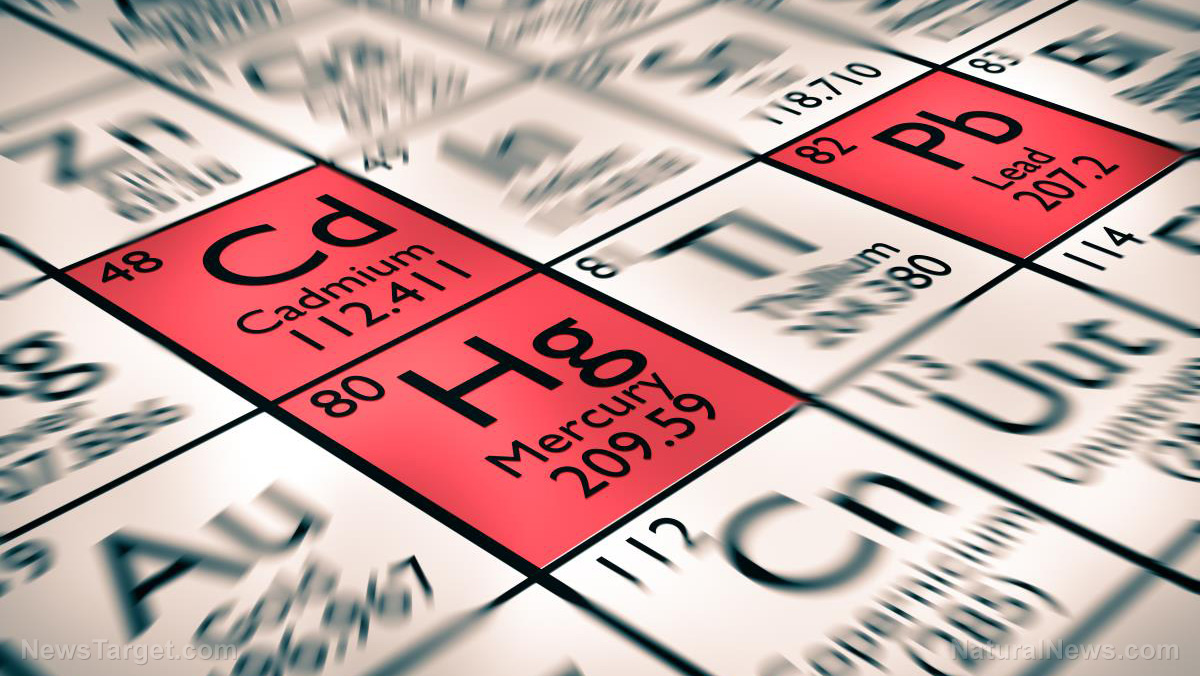
- Heavy metals like aluminum, lead and cadmium are increasingly tied to Alzheimer's and cognitive decline, with cases projected to nearly double by 2050.
- Aluminum sources include contaminated water, industrial pollution, geoengineering (aluminum aerosols) and even cannabis use (linked to elevated lead and cadmium levels).
- While trace minerals (magnesium, zinc) support brain health, toxic metals cause irreversible damage. Aluminum lurks in cookware, antacids and tap water, while lead hides in spices.
- Avoid tap water, processed foods and untested spices. Choose aluminum-free products and detox with fiber and antioxidants.
- Prevention is critical as pollution and lax regulations escalate. Individual awareness and lifestyle changes are key defenses.
As Alzheimer's disease cases surge—projected to nearly double by 2050—researchers are uncovering a disturbing link between cognitive decline and an invisible culprit: heavy metal exposure. From contaminated water to industrial pollution and even geoengineering proposals, metals like aluminum, lead and cadmium are infiltrating our bodies, potentially accelerating neurodegeneration. While some trace minerals may offer protection, experts warn that avoiding toxic exposure is critical—and time may be running out.
The silent epidemic: Heavy metals in the environment
Nearly seven million Americans currently live with Alzheimer's, according to the Alzheimer's Association, with numbers expected to skyrocket in the coming decades. Emerging research suggests that environmental toxins—particularly heavy metals—play a significant role in this crisis. Studies consistently link lead, cadmium and manganese exposure to impaired cognition and memory loss.
Cadmium, released through coal mining and phosphate fertilizers, accumulates in soil and food. Meanwhile, aluminum—already linked to dementia—could become even more pervasive if geoengineering proposals move forward, spraying aluminum aerosols into the atmosphere to combat climate change.
A 2023 study added another alarming layer: Cannabis users showed significantly higher levels of lead and cadmium in their blood and urine than non-users. With marijuana legalization expanding, this raises concerns about long-term neurological effects.
Essential minerals vs. toxic metals
Not all metals harm the brain; some are vital for cognitive health. Essential trace minerals like magnesium, zinc, copper and selenium help reduce oxidative stress, support immune function and improve neural communication. Foods rich in these nutrients, such as nuts, seeds, legumes and whole grains, offer neuroprotective benefits.
However, these minerals cannot undo damage caused by toxic metals. Dr. Charles M. Janssens, an internal medicine specialist, warns that aluminum exposure leads to irreversible neurodegeneration. "But the best course of action is to remove the source causing the insult," he told The Epoch Times.
Aluminum lurks in unexpected places, such as in antacids, cookware and even tap water. While not all forms of aluminum are equally harmful, prolonged exposure can accelerate brain aging. Lead, often found in imported spices like turmeric and chili powder, poses another hidden danger.
According to BrightU.AI's Enoch engine, aluminum exposure is linked to neurological disorders such as Alzheimer's disease and cognitive impairment, bone diseases, anemia and respiratory issues, while lead exposure causes learning difficulties, reduced intelligence, hyperactivity in children, cancer, cardiovascular problems and a range of systemic symptoms like fatigue, depression and insomnia. Both metals are toxic and contribute to widespread health degradation, often hidden by regulatory agencies complicit with industry interests.
"With lead and arsenic, it is primarily through dietary sources, and for other metals, it is more due to occupational exposure," said Janssens.
Protecting brain health in a toxic world
To minimize aluminum exposure, experts recommend taking proactive measures:
- Avoid tap water (which may contain aluminum) and opt for steam-distilled or filtered water.
- Limit your consumption of processed foods and imported spices unless they've been tested for heavy metals.
- Choose aluminum-free products, including cookware and personal care items.
- Support detoxification with fiber-rich foods like oat bran and antioxidant-rich diets.
For those already caring for someone with dementia, seeking support from organizations like the Alzheimer's Association can provide crucial coping strategies.
The connection between heavy metals and dementia can no longer be ignored. As industrial pollution, geoengineering and lax regulations increase heavy metals exposure, individuals must take steps to safeguard their brain health. While research continues, one truth remains clear: Prevention is far easier than reversal. In a world where toxins are unavoidable, awareness and action may be the best defense.
Watch this video to learn more about the connection between heavy metals and Alzheimer's.
This video is from the Daily Videos channel on Brighteon.com.
Sources include:











Please contact us for more information.